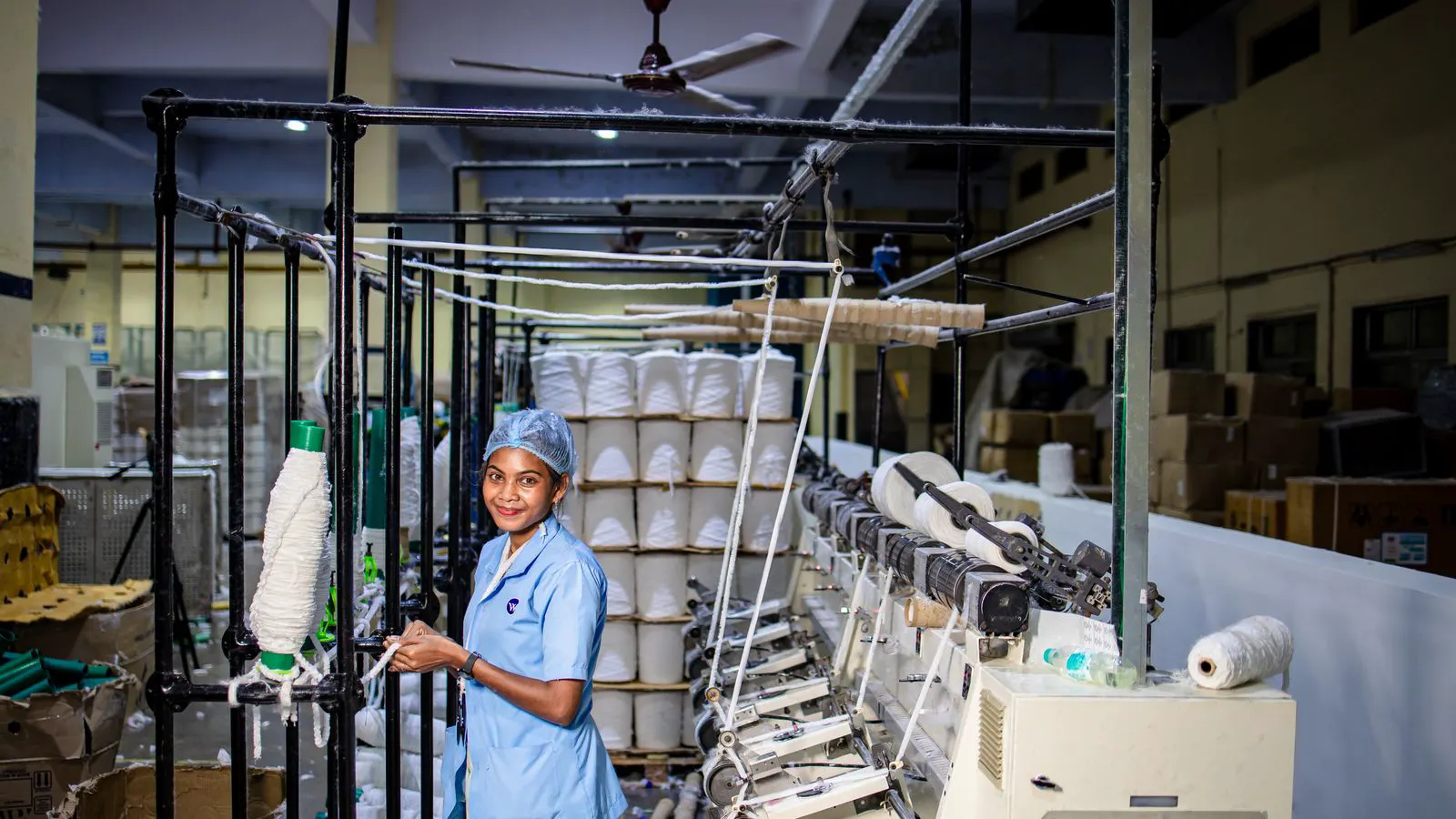
Choosing a Mill
Spinning vs Weaving: Choosing the Right Mill Process
Choosing between spinning and weaving mills depends on your fabric type, order volume, and quality needs. Spinning mills create yarn from raw fiber. Weaving mills
Learn how to evaluate textile mills for reliability, capacity, and product fit.
Choosing between spinning and weaving mills depends on your fabric type, order volume, and quality needs. Spinning mills create yarn from raw fiber. Weaving mills
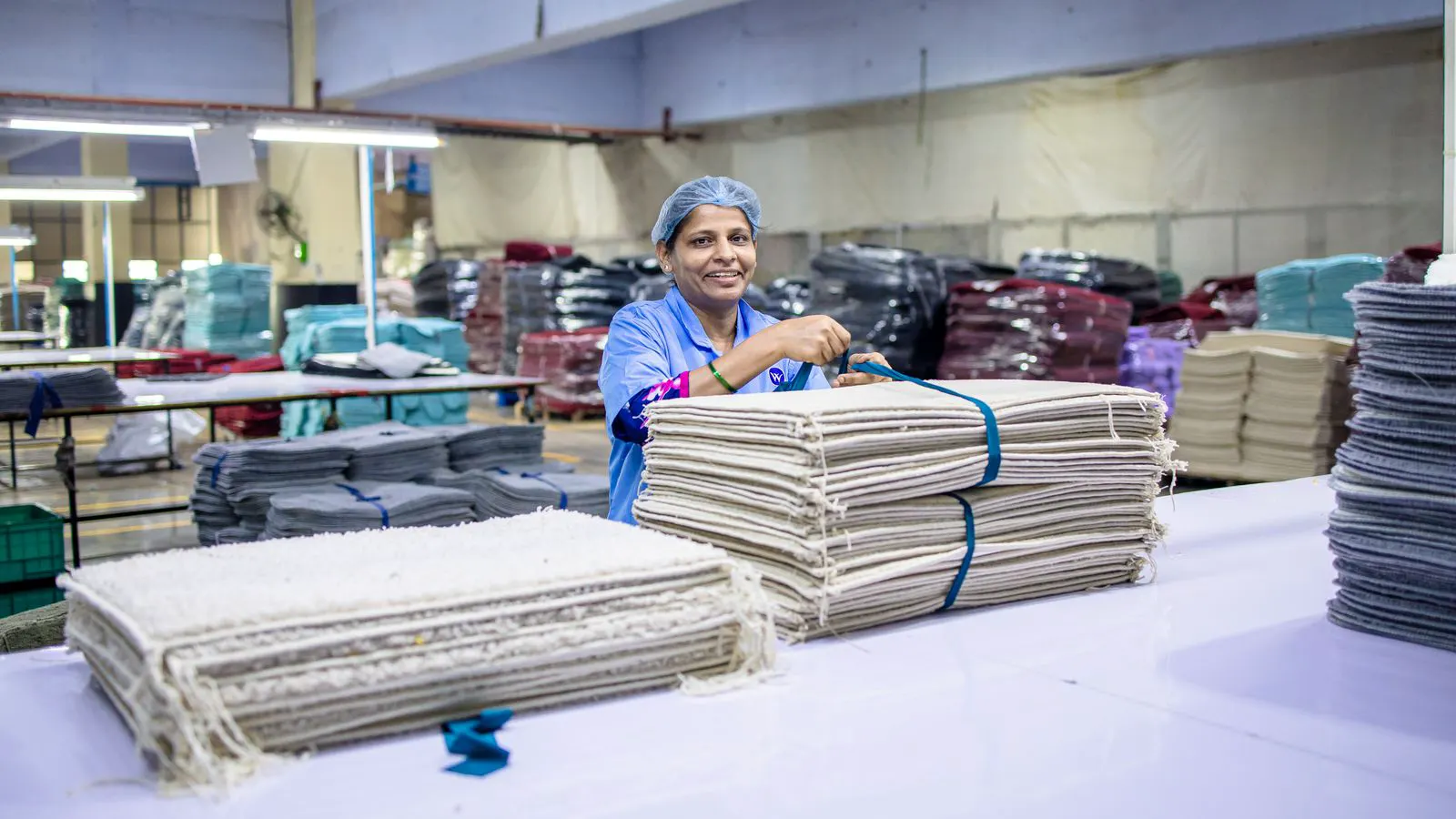
Choose a textile mill by matching its technical specs to your fabric requirements. Evaluate capacity, quality controls, and compliance. Use this framework to shortlist
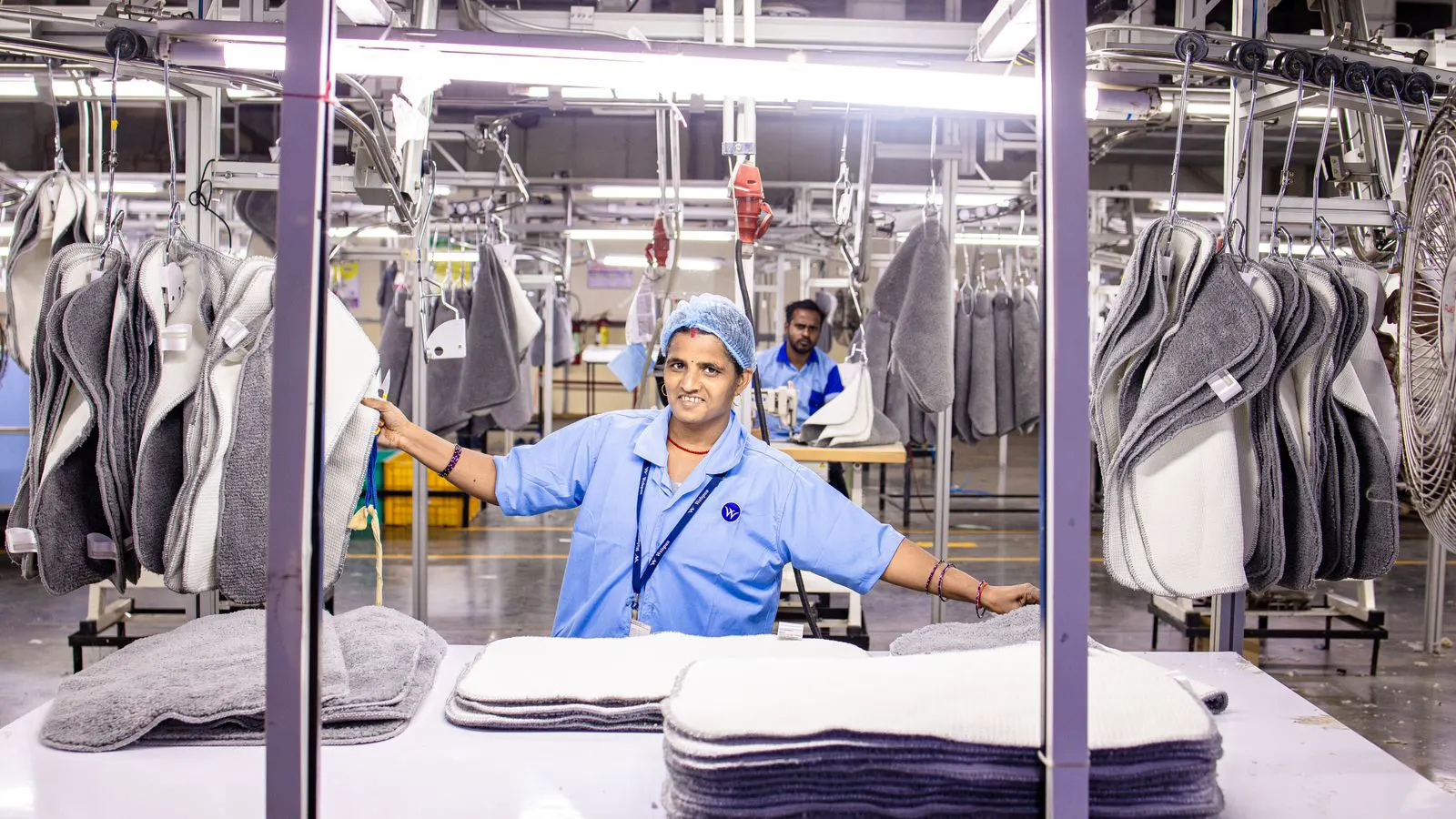
A factory audit checklist helps buyers identify gaps in mill compliance and textile quality standards. It covers raw material intake, machinery maintenance, lab testing
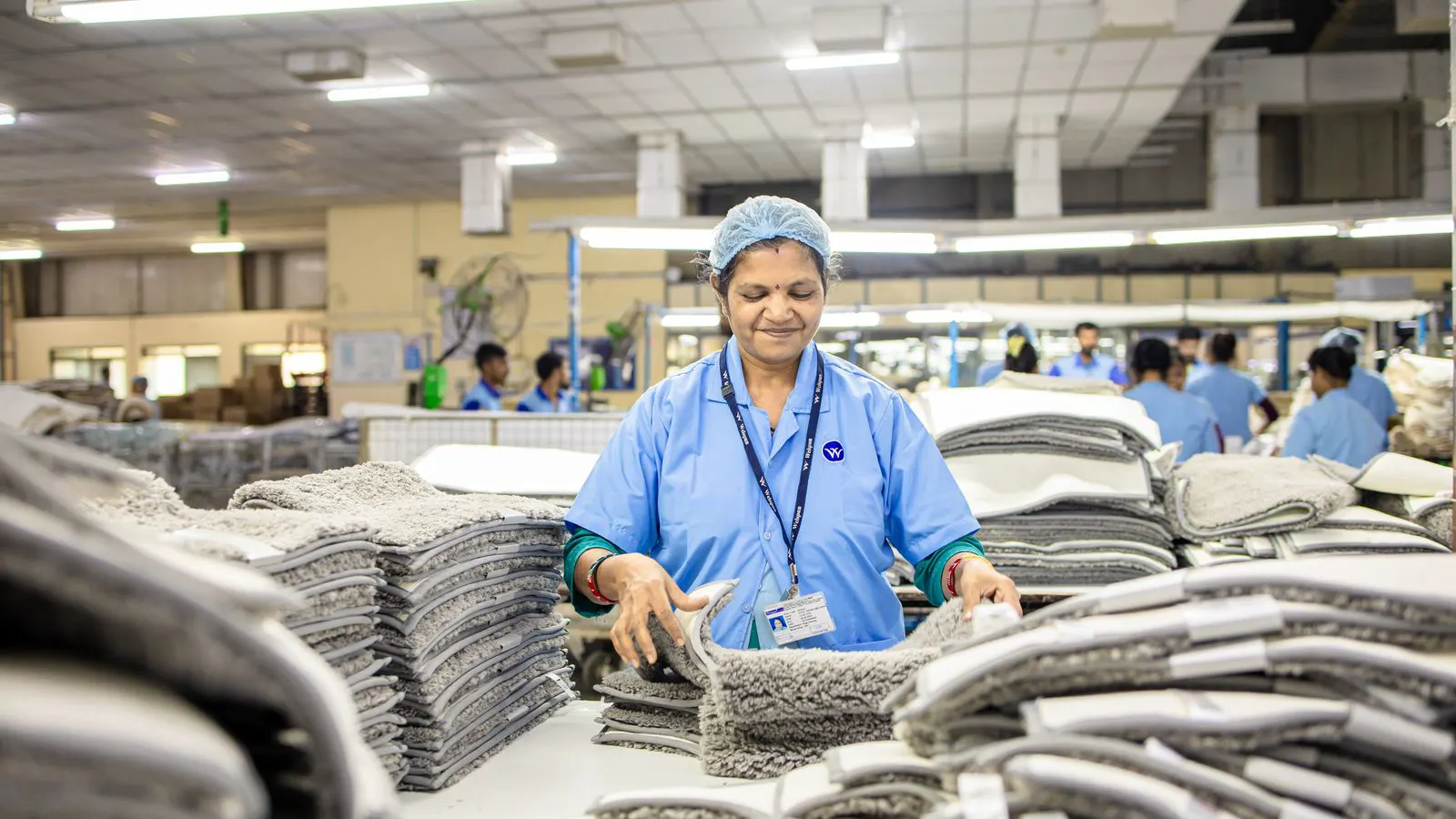
To verify supplier capability, audit production lines, review load data, test sample lead times, and confirm scheduling buffers. This process checks whether a textile
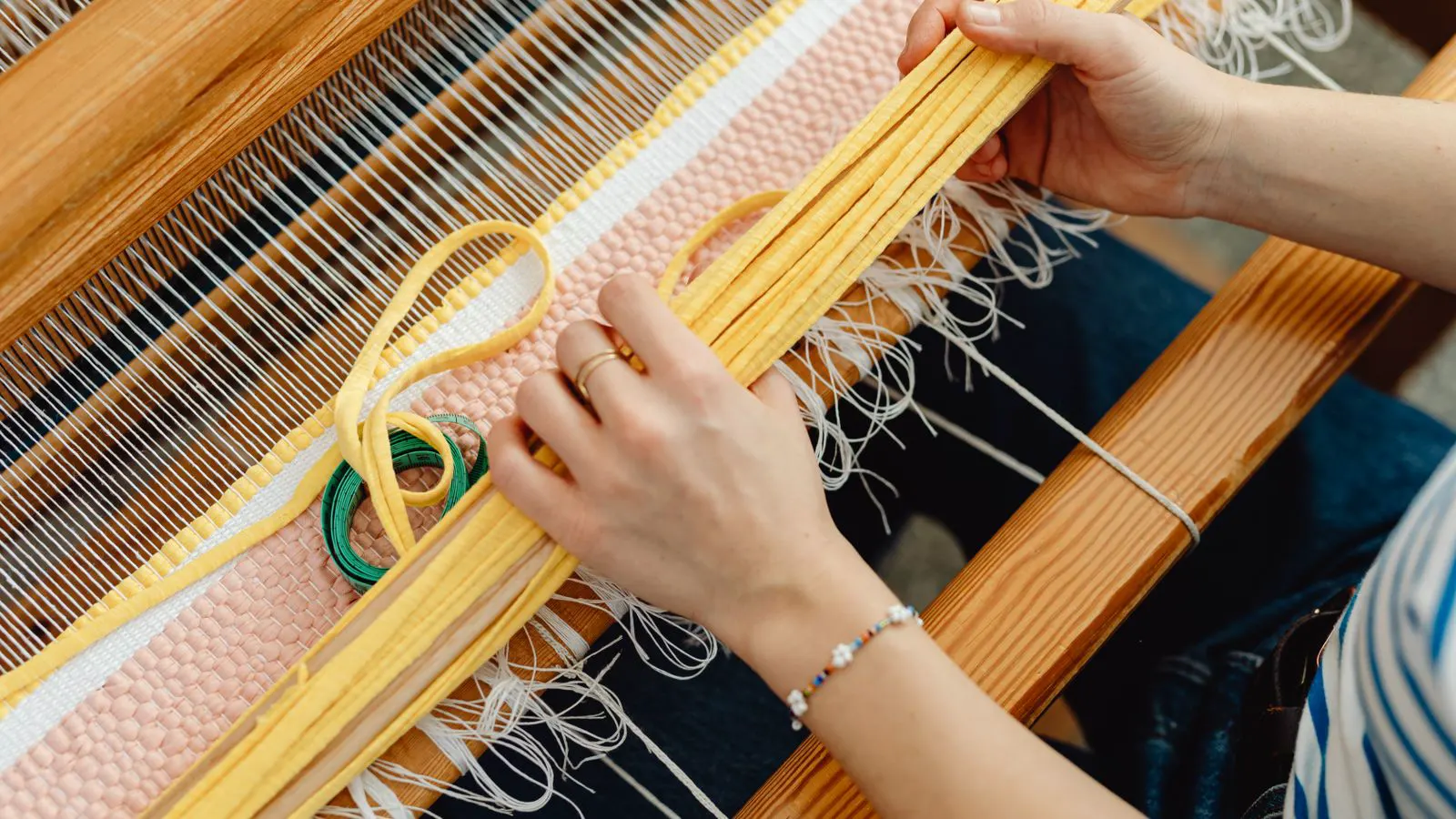
Knitting and weaving differ in how yarns form the fabric structure. Knitting creates loops for stretch and drape, while weaving interlaces warp and weft for stability.
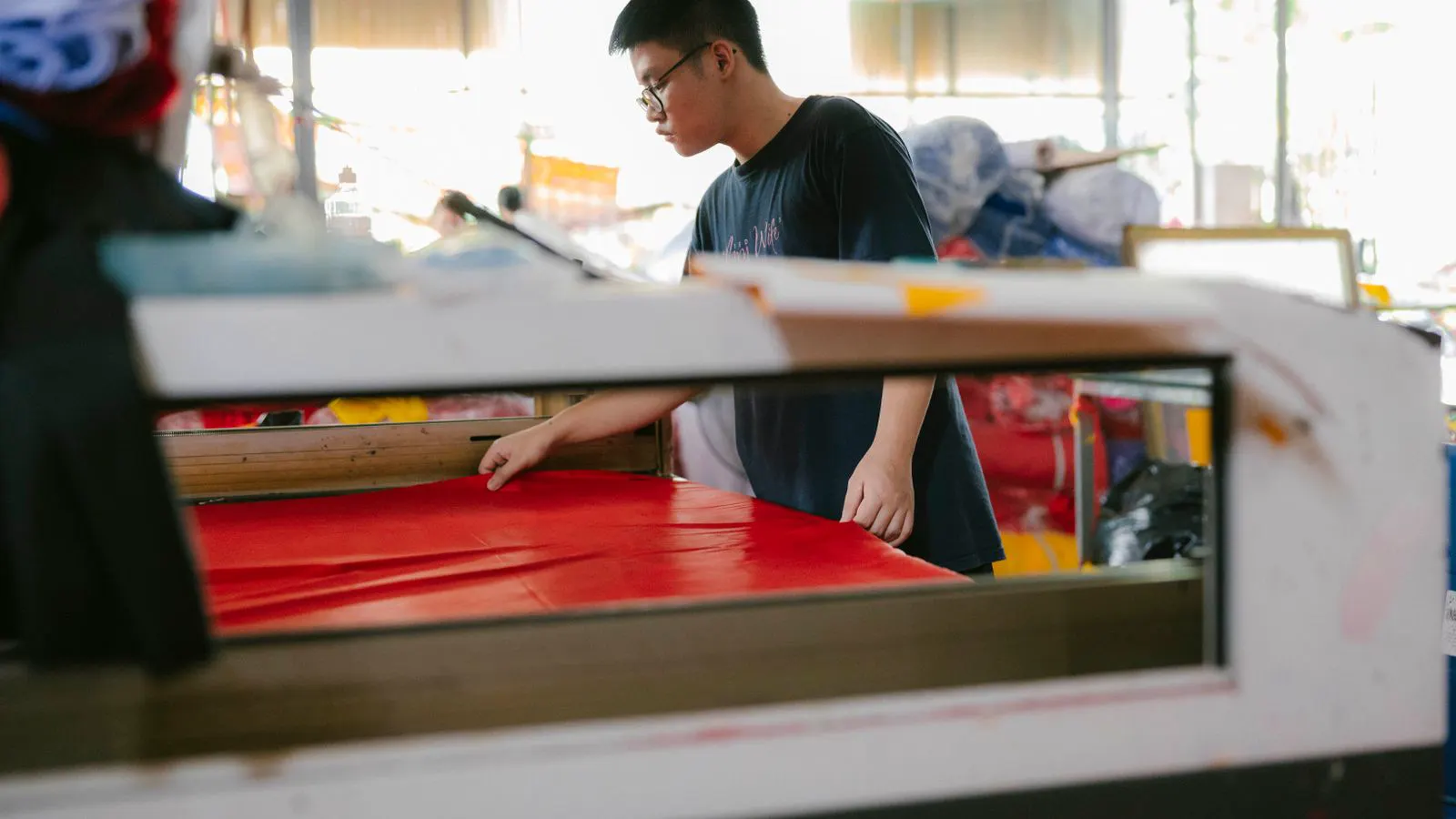
Color fastness problems often appear after dyeing or washing. This guide helps you identify symptoms, isolate causes in the dyeing process, and apply fabric quality
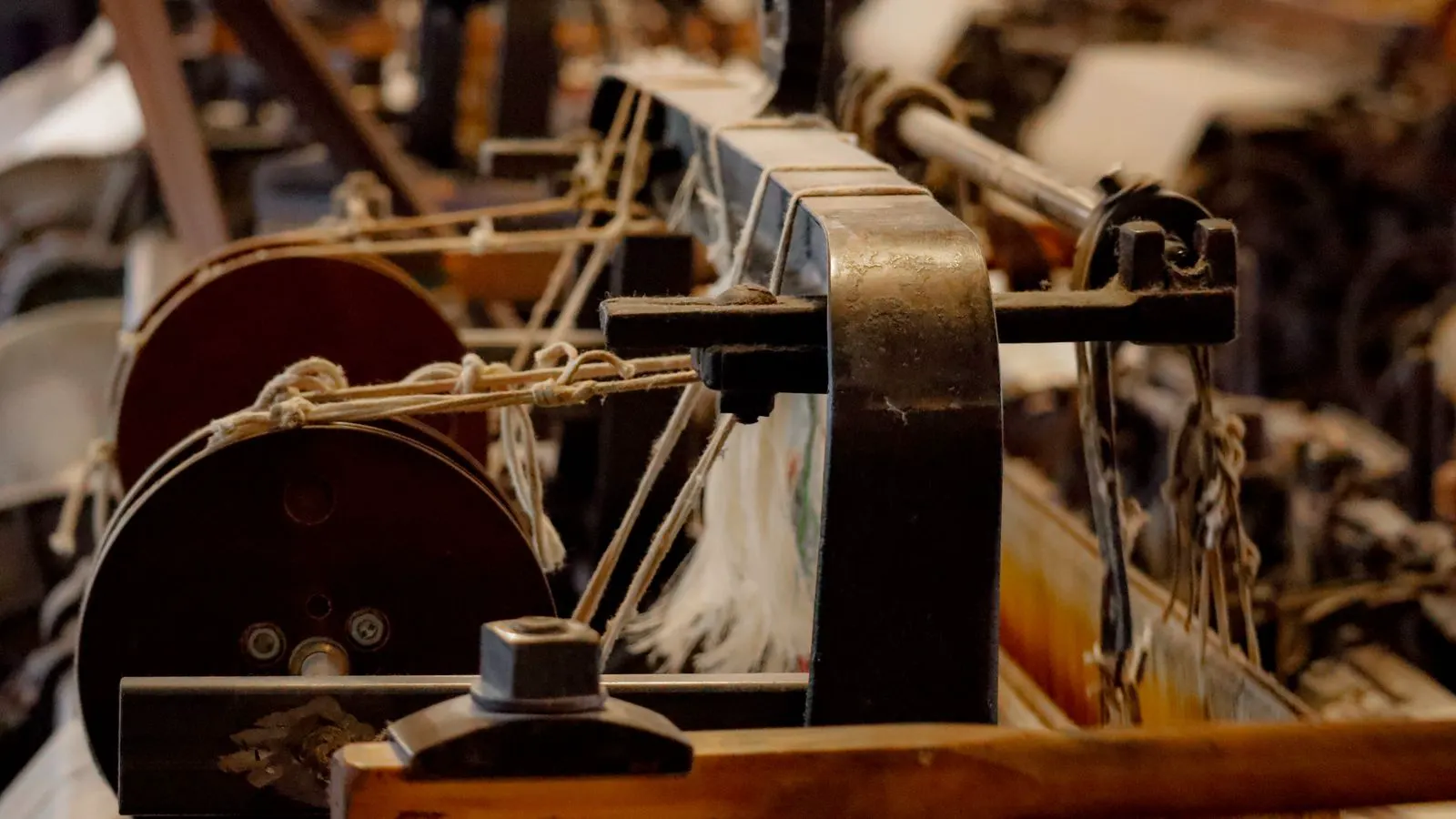
Natural fiber capacity is tightening around key processing steps. Cotton mill trends show a shift toward integrated supply chains. Buyers must plan for longer lead times
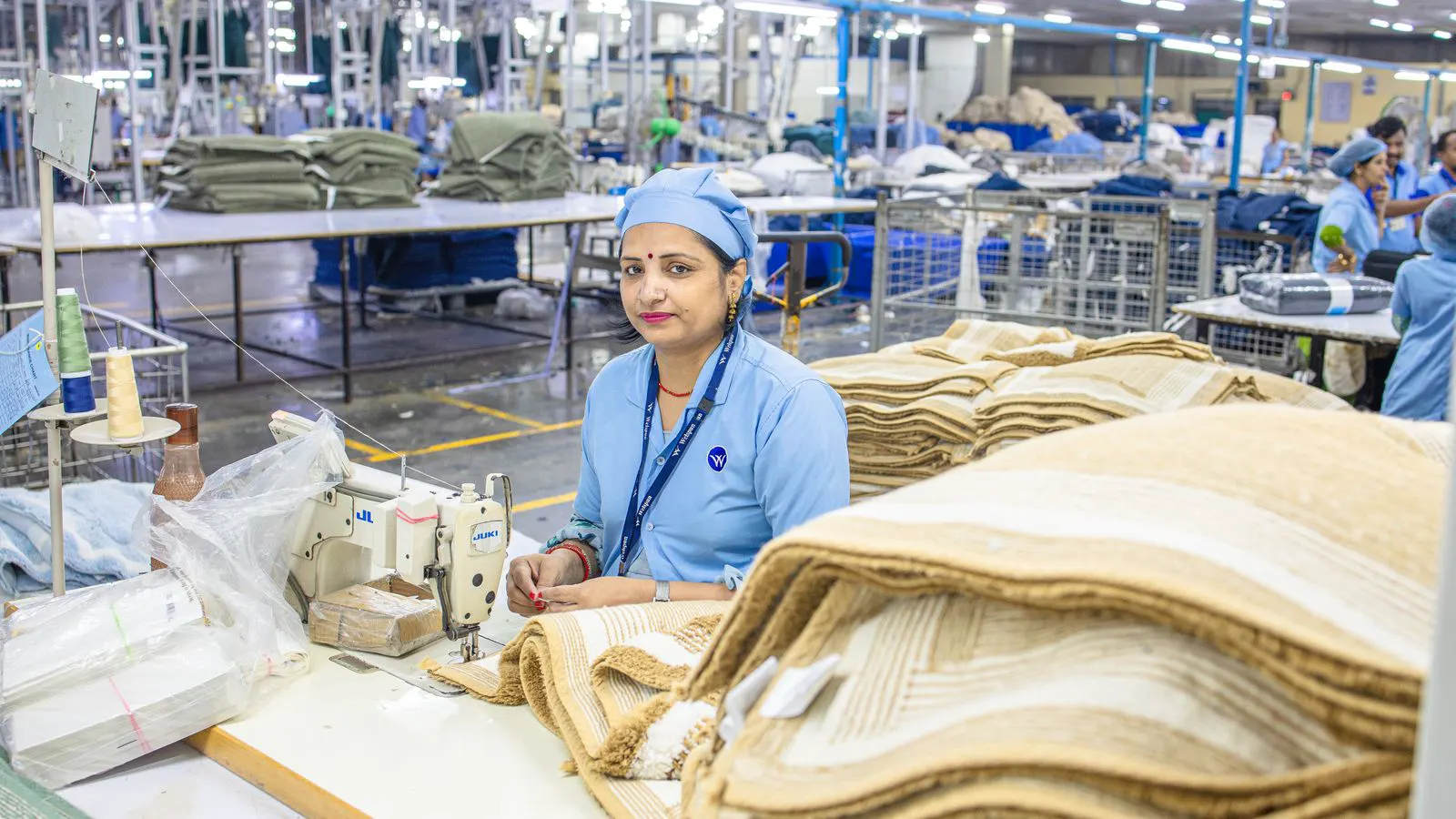
A textile mill is a facility that converts raw fibers into finished fabric through spinning, weaving or knitting, and finishing. Each stage requires specific equipment