Natural Fiber Mill Capacity: 2026 Supply Trends
Natural fiber capacity is tightening around key processing steps. Cotton mill trends show a shift toward integrated supply chains. Buyers must plan for longer lead times by securing multi-mill access, reviewing raw material contracts, and building buffer inventories for critical SKUs.
- Natural fiber capacity constraints are shifting from raw material to processing stages like ginning and weaving.
- Cotton mill trends favor mills with integrated logistics and reliable power supply over isolated production sites.
- Textile supply chain resilience requires multi-mill sourcing and flexible contract terms.
- Buyers should maintain buffer stock for critical natural fiber SKUs to offset lead time volatility.
- Regular audits of mill utility and labor conditions help predict future delivery reliability.
Raw Material Access and Ginning Bottlenecks
Natural fiber capacity depends on the flow of raw cotton and other fibers into processing plants. In 2026, ginning facilities remain a primary bottleneck for cotton producers. Many mills source baled cotton from regional gins, and weather patterns in major growing regions continue to affect bale quality and supply consistency.
Gins operate on seasonal cycles. Peak harvest times create competition for processing slots. Mills that rely on a single gin may face delays if that facility experiences maintenance or power interruptions. Buyers should map the gin-to-mill distance and check if the mill operates its own ginning or depends on third-party services.
For other natural fibers like linen and hemp, capacity constraints appear at the retting and extraction stages. These processes require significant water and land. Regulatory pressures on water usage in certain regions may slow production. Mills with in-house retting ponds or closed-loop water systems hold a structural advantage.
When evaluating natural fiber capacity, look at the upstream supply chain. A mill with stable raw material access will deliver more consistently than one that imports fiber from distant, volatile markets. Check the mill’s raw material sourcing regions and their seasonal risk profiles.
Power and Utility Reliability in Processing
Weaving and finishing natural fabrics require stable power. Cotton mills, in particular, consume large amounts of electricity for air-jet and power looms. In 2026, utility reliability varies significantly by region. Some areas face grid instability during peak demand periods, especially in summer months when cooling systems run at full capacity.
Mills with backup generators or on-site renewable energy installations reduce the risk of production stoppages. During a grid failure, a mill without backup power may halt weaving operations for hours or days. This disrupts fabric delivery schedules.
Finishing processes like mercerization and bleaching also depend on consistent energy. Inconsistent power can cause uneven fabric quality. Buyers should request utility reliability data from candidate mills. Ask about the mill’s average downtime in the past 12 months and how they manage power fluctuations.
Water availability also impacts capacity. Natural fiber processing uses water for washing and dyeing. In water-stressed regions, mills may face usage caps or higher costs. Some mills have invested in water recycling systems. These systems reduce consumption and improve sustainability compliance. Check if the mill has a water treatment facility on-site.
Labor and Skill Retention at Mills
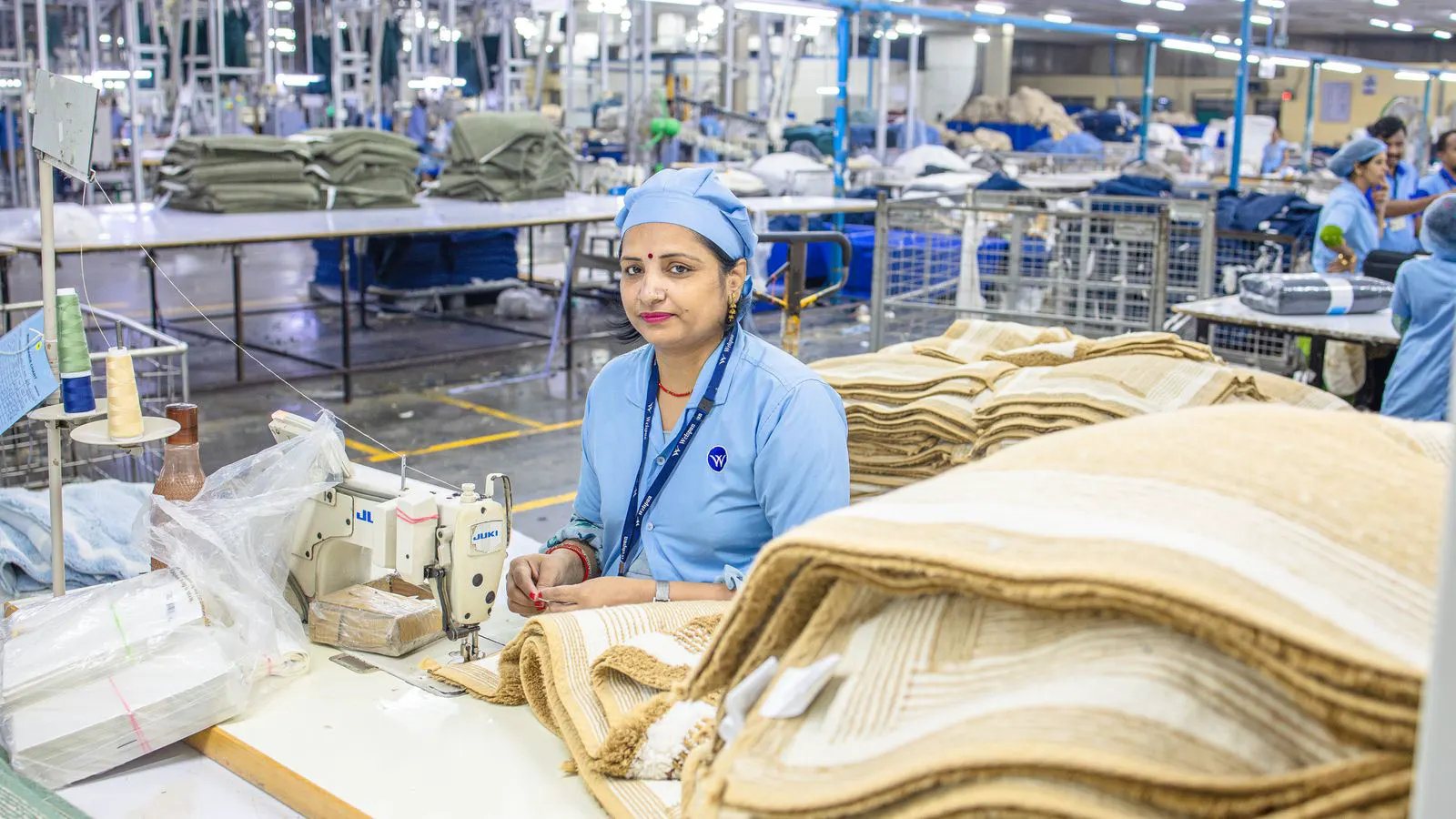
The textile industry faces labor challenges in many regions. Skilled operators for advanced looms and finishing lines are in short supply. In 2026, labor turnover at processing plants remains a concern. When experienced workers leave, production quality can dip during the retraining period.
Cotton mill trends show a shift toward automation to mitigate labor shortages. Automated winding and doffing systems reduce the need for manual intervention. However, these systems require technicians to maintain. If a mill cannot retain technical staff, automation gains may be offset by breakdowns.
Check the mill’s employee retention rates. High turnover signals potential capacity issues. Look at the mill’s training programs and wage competitiveness. Mills that invest in staff development tend to maintain steadier output.
For natural fibers, hand-finishing skills matter. Some premium linens and silks require manual inspection and trimming. Mills with a deep bench of skilled finishers can handle complex orders. If the mill relies on contract labor for finishing, delivery risks increase.
Logistics and Port Congestion
Textile supply chain disruptions often occur at logistics nodes. Natural fiber fabrics are heavy and bulky. Shipping them by sea is common for international trade. In 2026, port congestion remains a variable. Container availability and vessel scheduling can add weeks to lead times.
Mills located near major ports have a logistical advantage. They can dispatch finished fabric quickly. Mills inland may face longer trucking distances and additional handling steps. Check the mill’s proximity to the nearest shipping port or rail hub.
For air-freighted natural fiber samples, airport access matters. Small quantities of premium fabric are often air-freighted to meet deadline. Mills with direct airport access reduce sample turnaround time.
Packaging also affects logistics capacity. Natural fibers are sensitive to moisture. Proper packaging prevents damage during transit. Mills with in-house packaging lines can handle shipment preparation more efficiently. Check if the mill uses moisture-indicating labels and vacuum packing for cotton and linen.
Contract Structures and Lead Time Flexibility
Natural fiber capacity planning requires flexible contracts. Fixed-date contracts with strict penalty clauses can backfire when supply chain disruptions occur. In 2026, buyers are moving toward variable lead time agreements. These contracts allow mills to adjust delivery dates based on upstream conditions.
Cotton mill trends show an increase in framework agreements. These agreements set volume commitments over a period but allow delivery to be phased. This structure helps both parties manage capacity. For example, a buyer might commit to 50,000 meters of cotton twill over 18 months. Delivery could occur in 10,000 meter batches quarterly. This spreads risk and aligns with mill production cycles.
Check the contract’s change order process. If a buyer needs to alter fabric specifications or quantity, how quickly can the mill adjust? Mills with flexible production lines can accommodate changes. Mills with rigid schedules may charge premium fees for resequencing.
Also review the force majeure clause. Natural fiber supply chains are exposed to weather, energy, and labor events. A well-drafted force majeure clause defines what qualifies as an excusable delay. Vague clauses lead to disputes. Specific clauses referencing raw material shortages or utility failures provide clarity.
How to Build a Multi-Mill Sourcing Strategy
No single mill will provide all your natural fiber capacity. A multi-mill sourcing strategy reduces risk and improves service. In 2026, buyers are diversifying their supplier base. They may use one mill for bulk cotton and another for specialty linen. This approach balances cost and reliability.
When selecting mills, evaluate them against capacity criteria. Use a scoring matrix to compare mills on raw material access, utility reliability, labor, logistics, and contract flexibility. Weight each criterion based on your product mix. A buyer of high-end cotton shirting may weight utility reliability higher than a buyer of bulk cotton denim.
Maintain a tiered supplier structure. Tier one mills handle your core SKUs. Tier two mills provide backup capacity. Tier three mills serve experimental or low-volume projects. This structure ensures continuity if a primary mill faces a disruption.
Regularly update your supplier performance data. Track on-time delivery, quality rejection rates, and communication responsiveness. Share this data with the mill during quarterly reviews. Transparent feedback helps mills improve capacity planning.
Audit Checklist for Capacity Assessment
When visiting a mill, check the following items to gauge natural fiber capacity reliability:
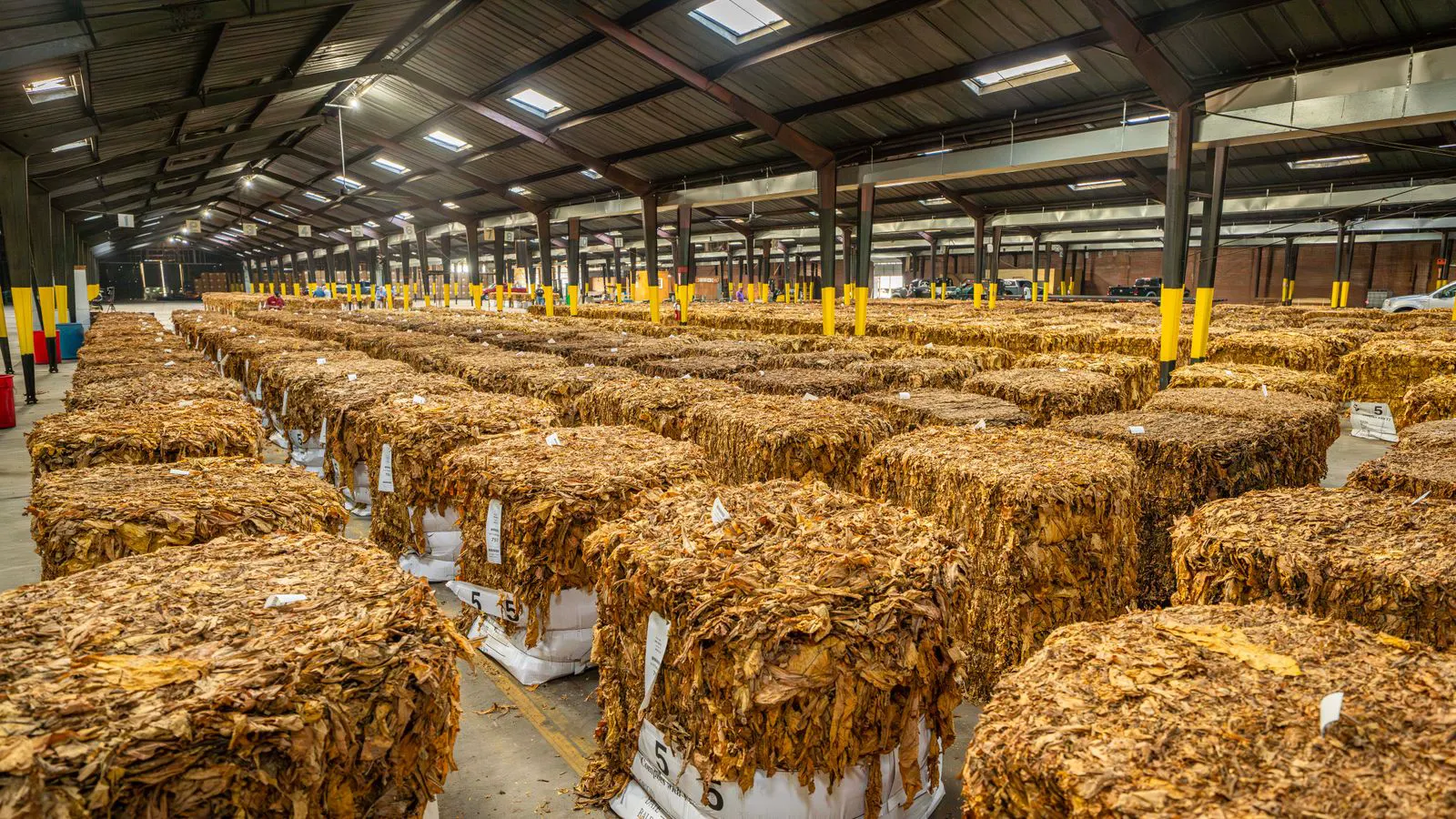
- Raw material storage: Inspect the warehouse for baled cotton or fiber. Check humidity control and pest prevention.
- Ginning and spinning: If the mill is integrated, observe the ginning line. If not, confirm the gin supplier’s capacity and distance.
- Power supply: Review the mill’s electrical panel and backup generator. Ask about the last grid outage and downtime duration.
- Water treatment: Visit the wastewater plant. Check if the mill recycles water and complies with local environmental standards.
- Labor facilities: Observe the workshop layout. Look for training rooms and employee break areas. High-quality facilities often correlate with better retention.
- Logistics dock: Check the number of loading bays and forklifts. A well-equipped dock speeds up shipment.
- Quality lab: Review the lab’s testing equipment. Check if the mill tests for fiber content, shrinkage, and color fastness in-house.
- IT systems: Ask about the mill’s order management system. Real-time production tracking improves communication.
Managing Inventory and Buffer Stock
Natural fiber capacity volatility requires inventory planning. In 2026, buyers are holding more buffer stock for critical SKUs. This is not just finished fabric. It includes raw bales and intermediate yarns.
For cotton, holding 3 to 6 months of raw bale inventory can protect against price spikes and supply gaps. For linen and hemp, holding 6 to 12 months of retted fiber may be necessary. These buffers cost money but reduce the risk of production stoppages.
Use a demand forecasting model that accounts for seasonality. Cotton demand peaks in spring and fall. Linen demand peaks in summer. Align your inventory levels with these cycles. Avoid overstocking during low-demand periods.
Coordinate with your mill on buffer stock. Some mills will hold raw materials for you. This reduces your storage costs and ensures material availability. Check if the mill charges for holding. Negotiate this cost into the fabric price.
Conclusion: Planning for the Next Cycle
Natural fiber capacity in 2026 is shaped by upstream weather, utility reliability, and labor dynamics. Cotton mill trends point toward integrated, resilient supply chains. Textile supply chain planning must move beyond single-mill dependence.
Buyers should focus on multi-mill sourcing, flexible contracts, and buffer stock. Regular audits and performance reviews help identify capacity risks early. By planning for constraints rather than assuming smooth supply, you protect your production schedule and maintain quality.
The mills that will serve you well in the coming years are those that manage capacity as a continuous process. They monitor raw material flow, utility status, and labor conditions daily. They communicate proactively when issues arise. Choose partners who operate this way.
Frequently asked questions
What is the biggest constraint on natural fiber capacity in 2026?
Ginning and raw material access for cotton. Power reliability and water availability are also significant constraints for processing and finishing.
How do cotton mill trends affect fabric lead times?
Mills with integrated supply chains and reliable power supply shorter lead times. Mills dependent on distant raw materials or unstable utilities face longer and more variable lead times.
What should buyers check in a textile supply chain audit?
Check raw material storage, power and water systems, labor facilities, logistics docks, and quality labs. These areas directly impact production reliability and capacity.
Are multi-mill sourcing strategies necessary for natural fibers?
Yes. A multi-mill strategy reduces risk and ensures continuity. Relying on a single mill exposes you to local disruptions like weather, power outages, or labor issues.
How much buffer stock should buyers hold for cotton?
Three to six months of raw bale inventory is a common range. Adjust based on your demand forecast and the mill's raw material sourcing reliability.