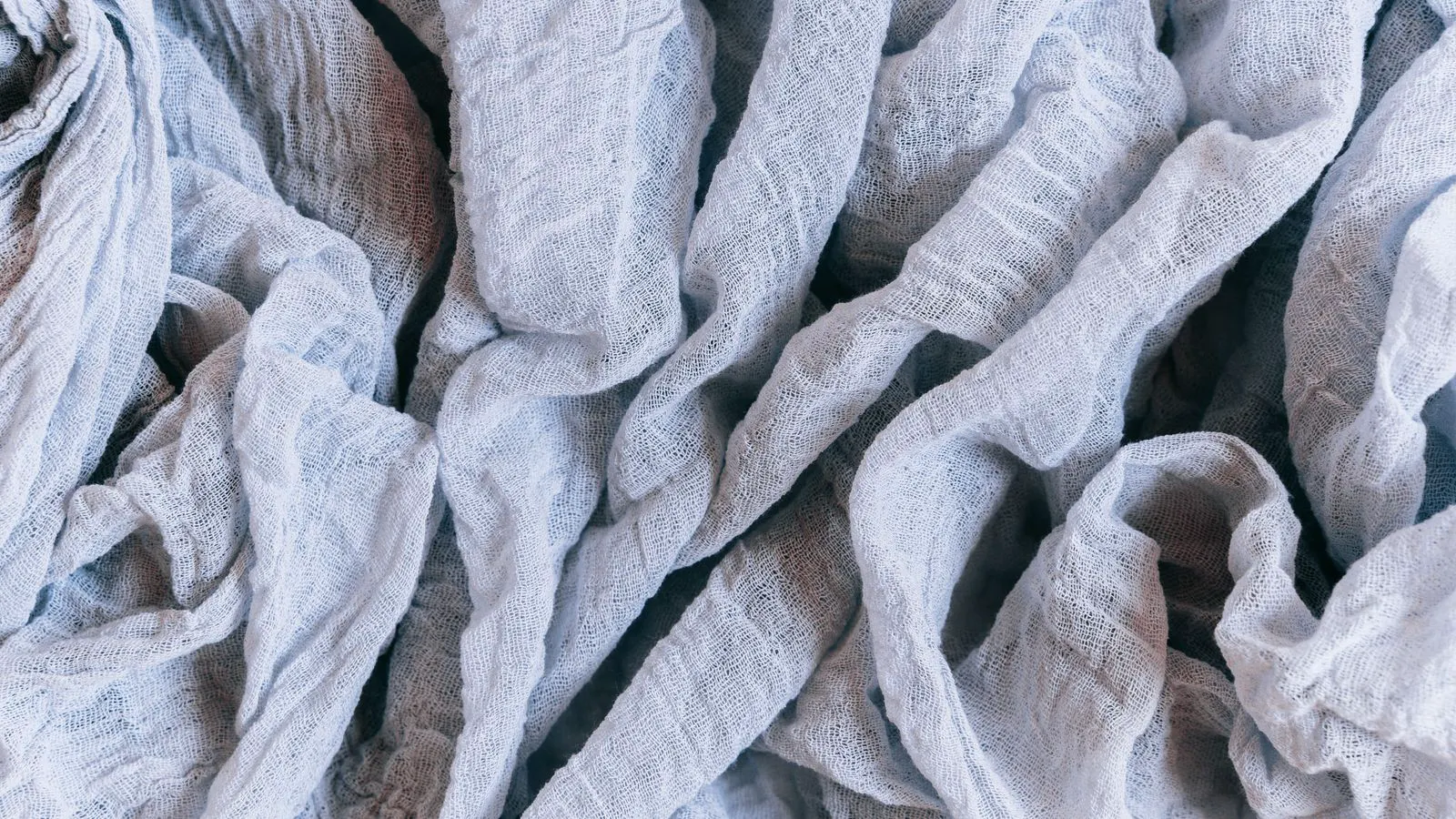
Cotton & Natural Fabrics
Cotton and Natural Fiber Fabrics: A Complete Overview
Cotton and natural fiber fabrics are made from plant or animal sources. Their properties differ by fiber length, origin, and processing. Understanding these differences
Practical guides about cotton & natural fabrics for textile fabrics buyers and engineers.
Cotton and natural fiber fabrics are made from plant or animal sources. Their properties differ by fiber length, origin, and processing. Understanding these differences
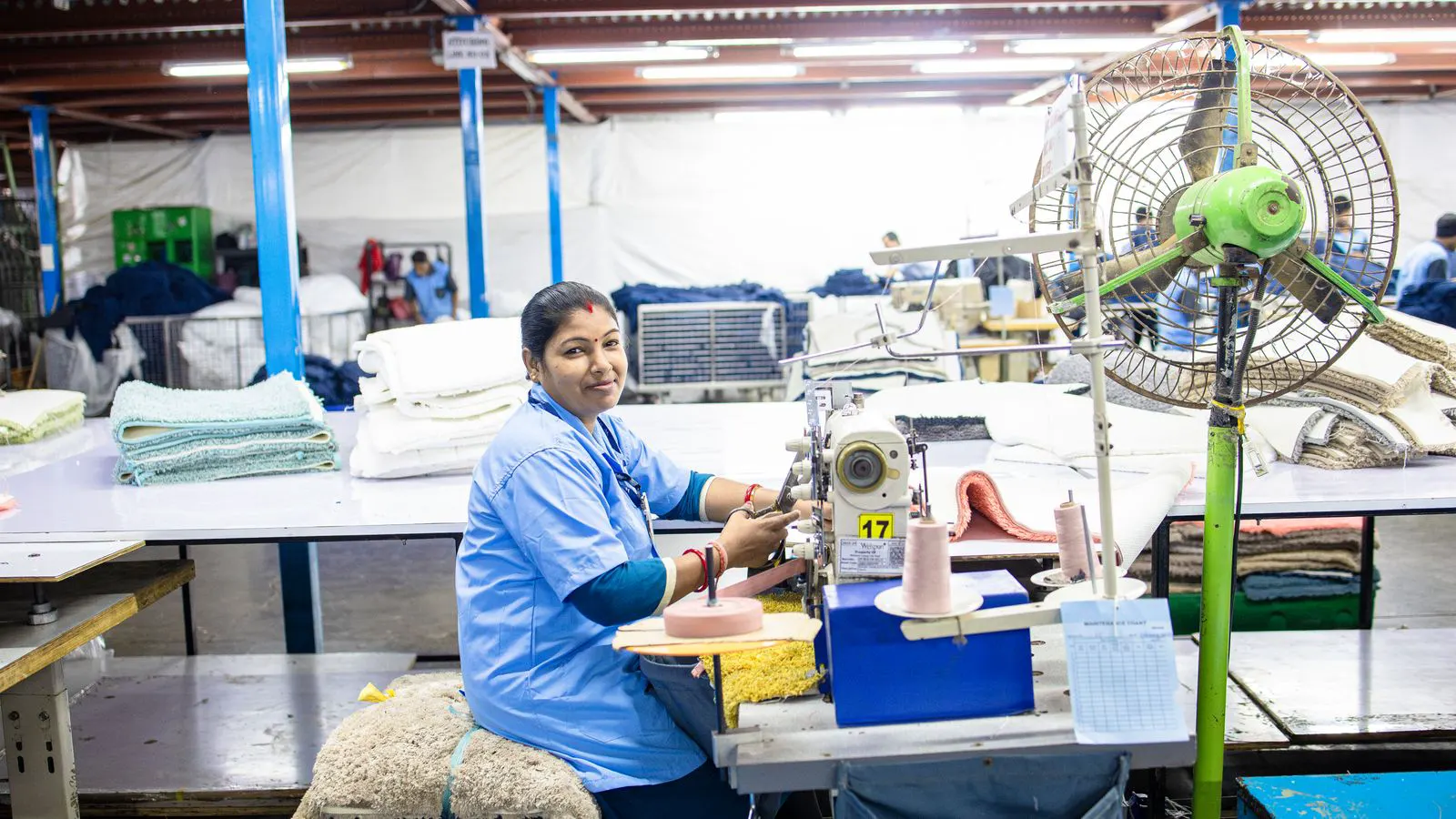
This guide outlines the specifications to define for cotton fabrics, including fiber content, weight, and shrinkage. It explains how to evaluate suppliers, request
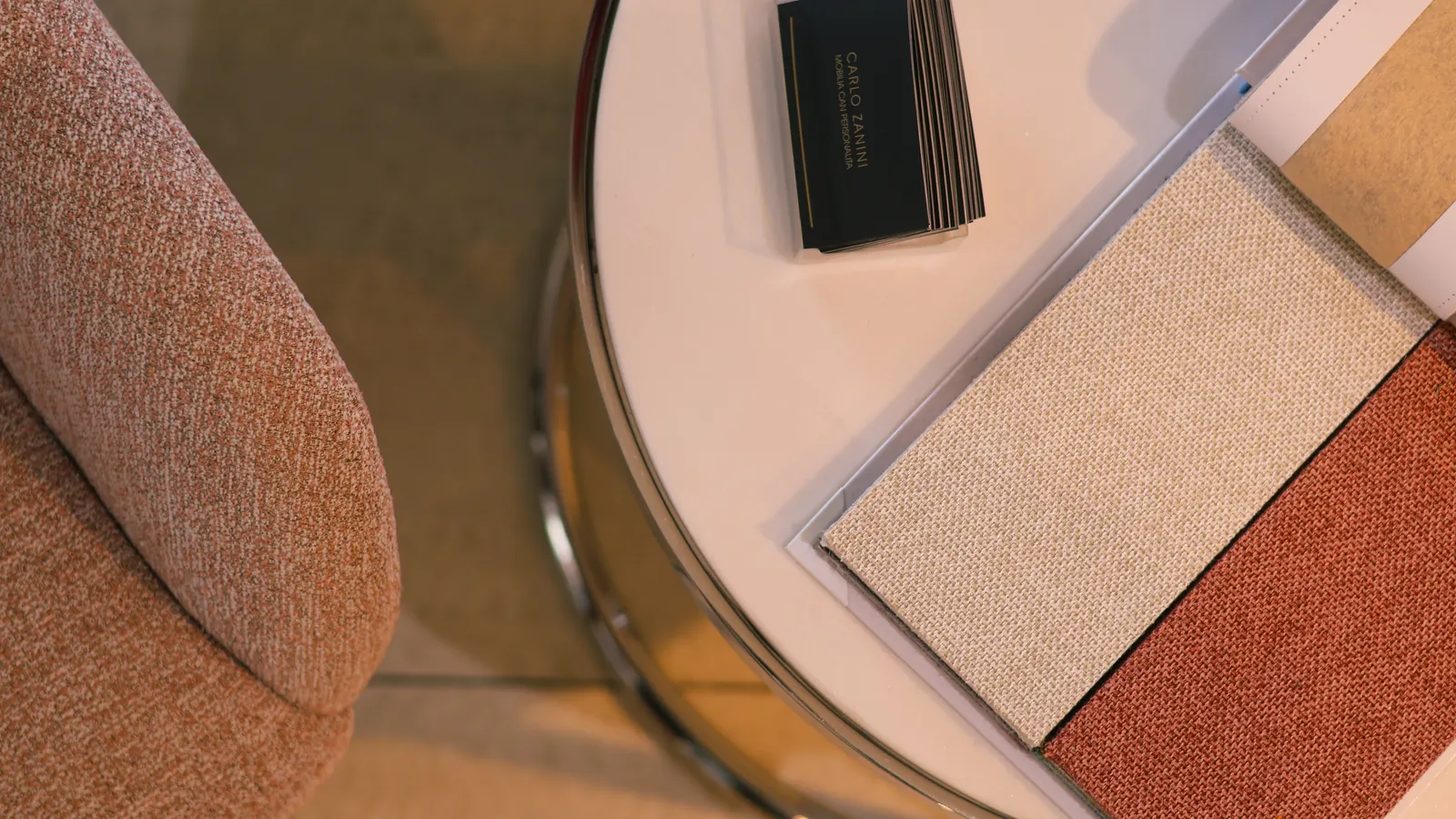
To identify cotton fabric grades, examine fiber count, weave structure, and shrinkage behavior. Classify types by composition, finish, and intended use. Cross-check mill
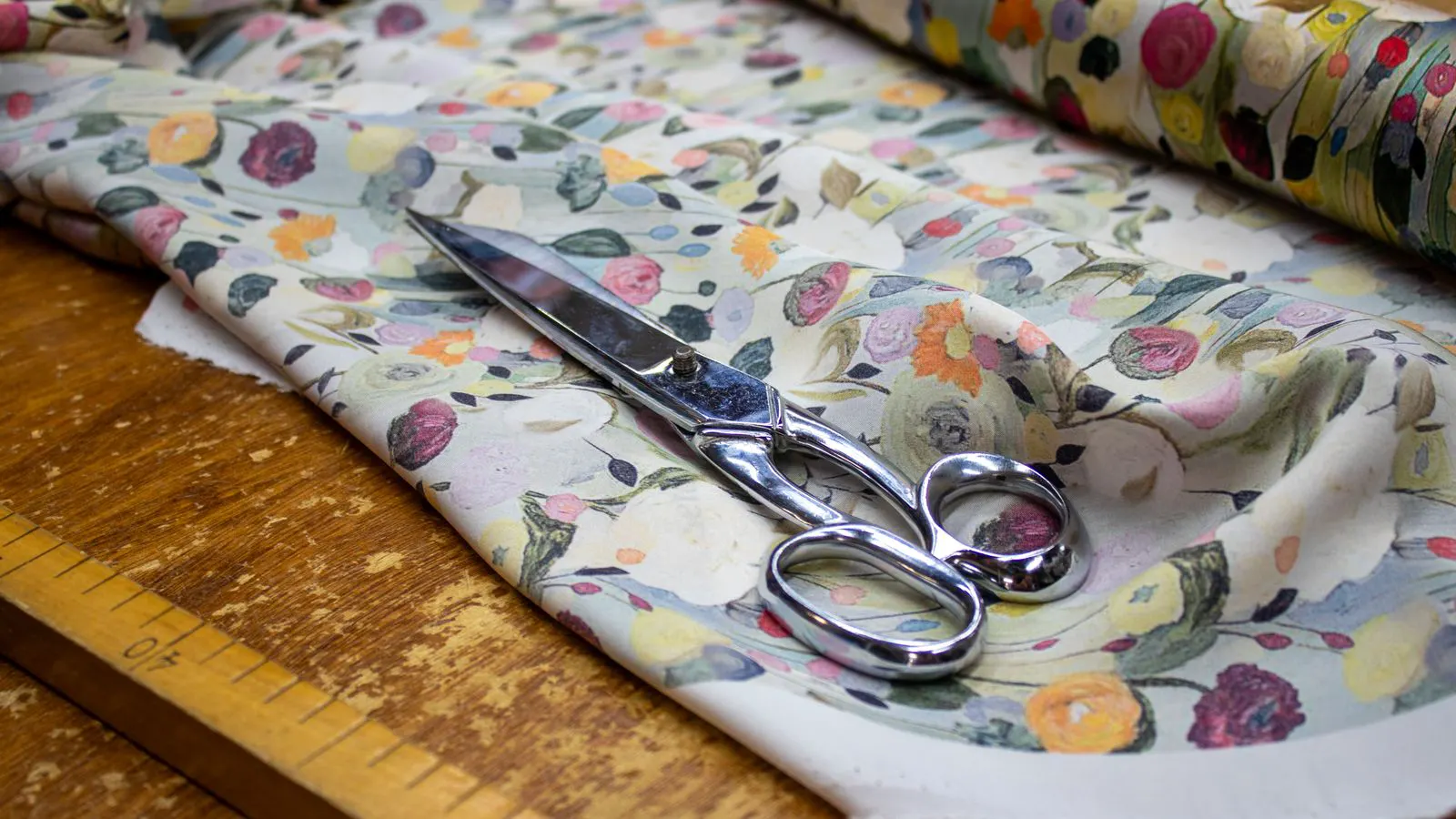
A cotton fabric quality checklist helps buyers verify textile quality check results before acceptance. It covers inspection of weight, shrinkage, color, and defects to
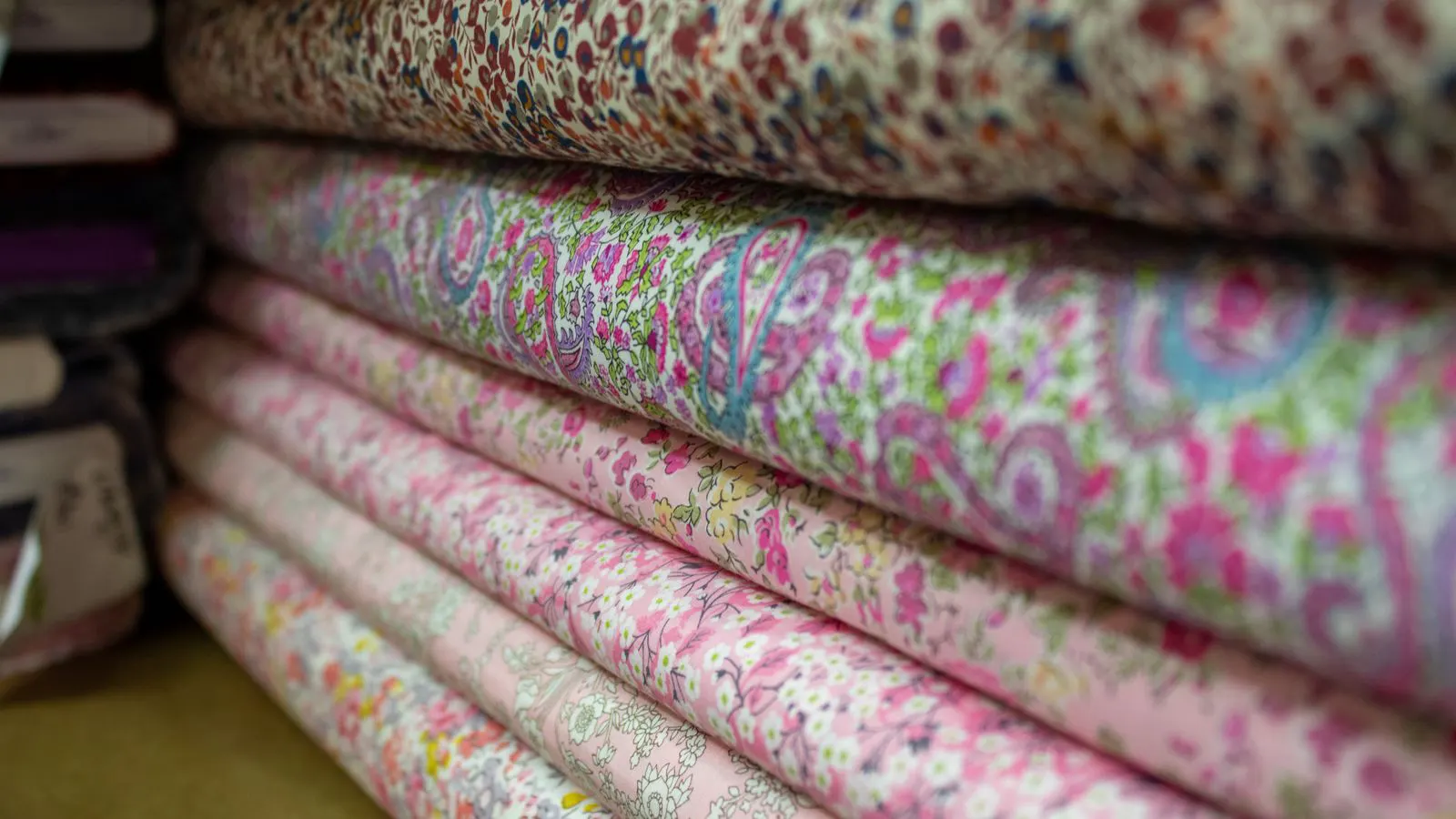
Cotton fabric pricing and delivery schedules depend on raw cotton grades, fabric construction, dyeing methods, and shipping routes. This guide explains the cost drivers
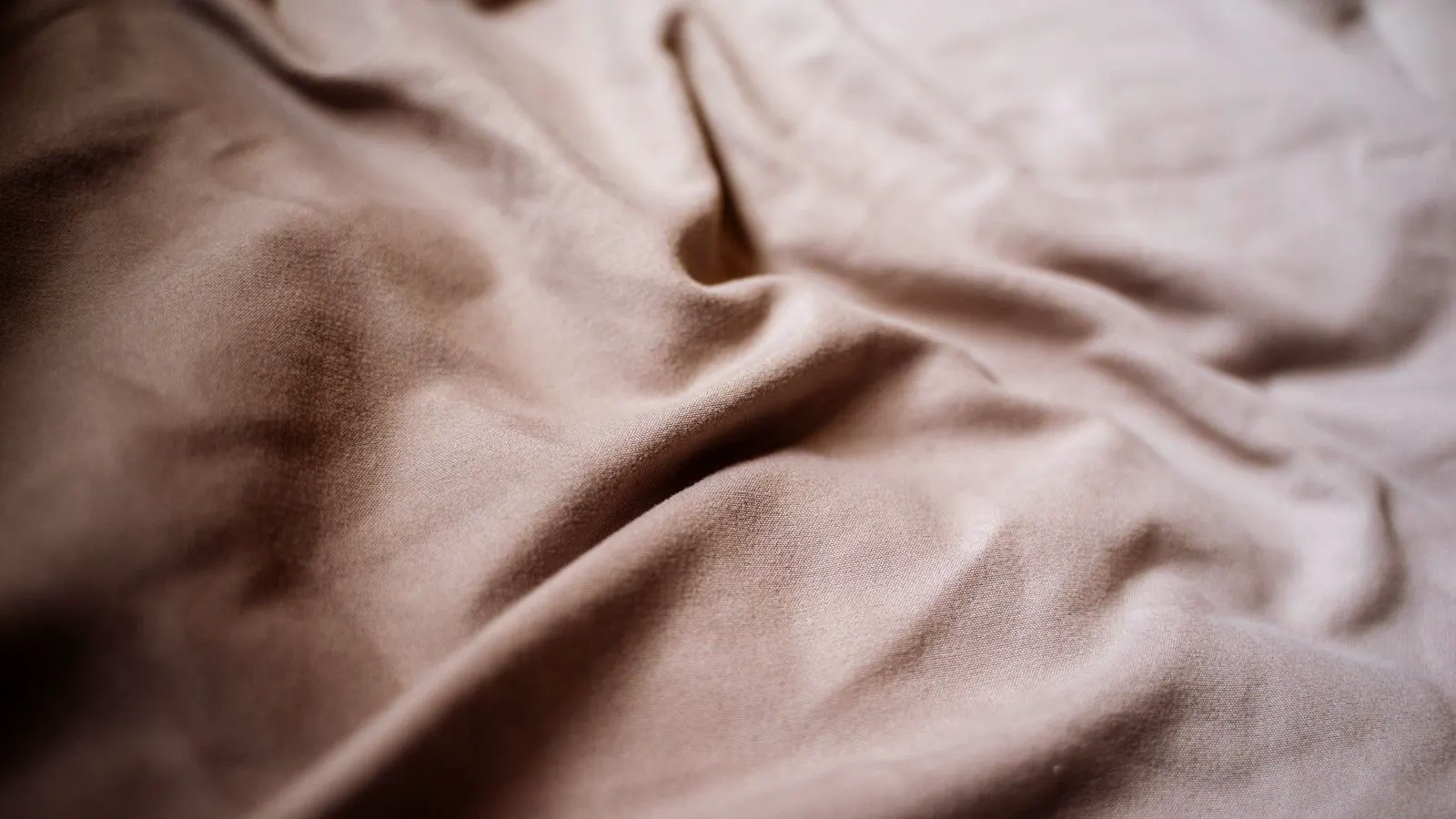
Cotton fabric shrinkage usually results from heat and mechanical agitation. You can fix minor shrinkage by relaxing the fibers with warm water and steam, but severe
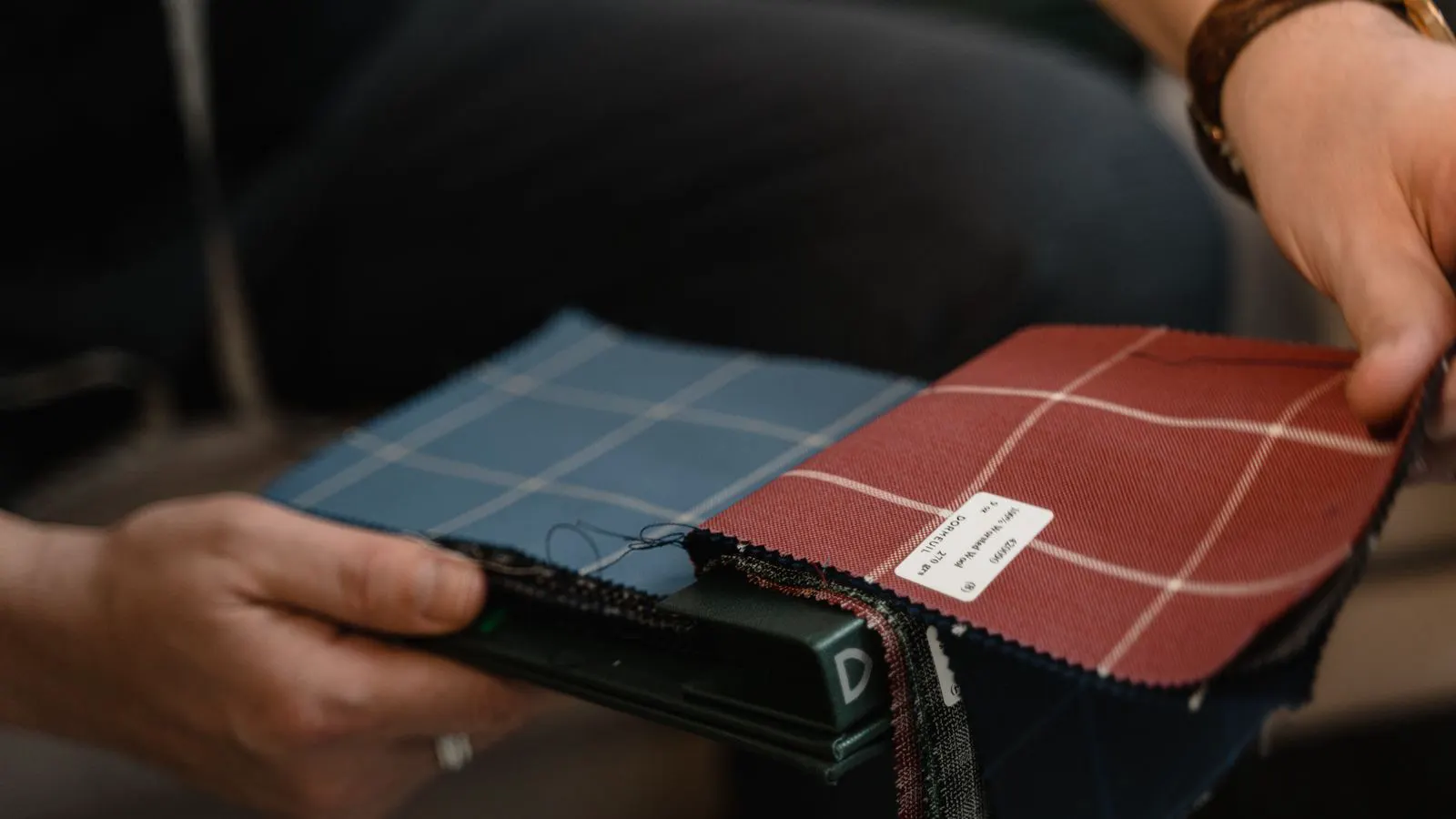
Cotton vs linen fabrics differ in fiber structure, hand feel, and care requirements. Cotton offers softness and ease of processing, while linen provides breathability
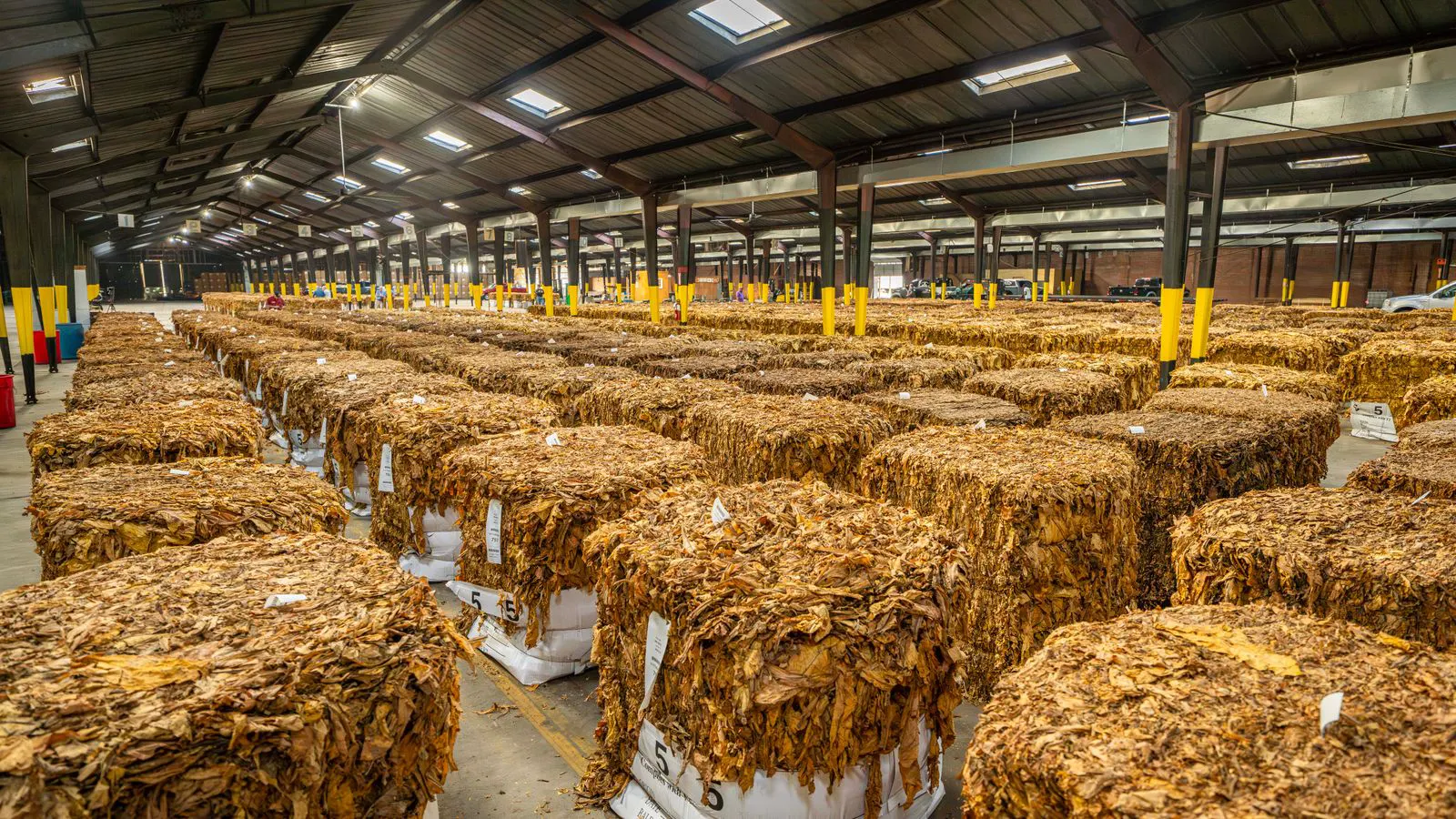
Buyers should expect tighter supply constraints, stronger demand for certified natural fibers, and more pressure on cost consistency. Planning around traceability and