Cotton vs Linen: Key Differences for Apparel Buyers
Cotton vs linen fabrics differ in fiber structure, hand feel, and care requirements. Cotton offers softness and ease of processing, while linen provides breathability and durability. Buyers must match the natural fiber comparison to the end-use garment.
- Cotton offers softness and ease of dyeing, while linen provides breathability and a distinct hand feel.
- Sourcing and processing differ significantly, with linen requiring higher tolerance for irregularity in raw material.
- Shrinkage and care labels must reflect the specific blend or fiber content for compliance and customer satisfaction.
- Performance testing should account for pilling, wrinkle behavior, and drape differences between the two fibers.
Fiber Structure and Raw Material Handling
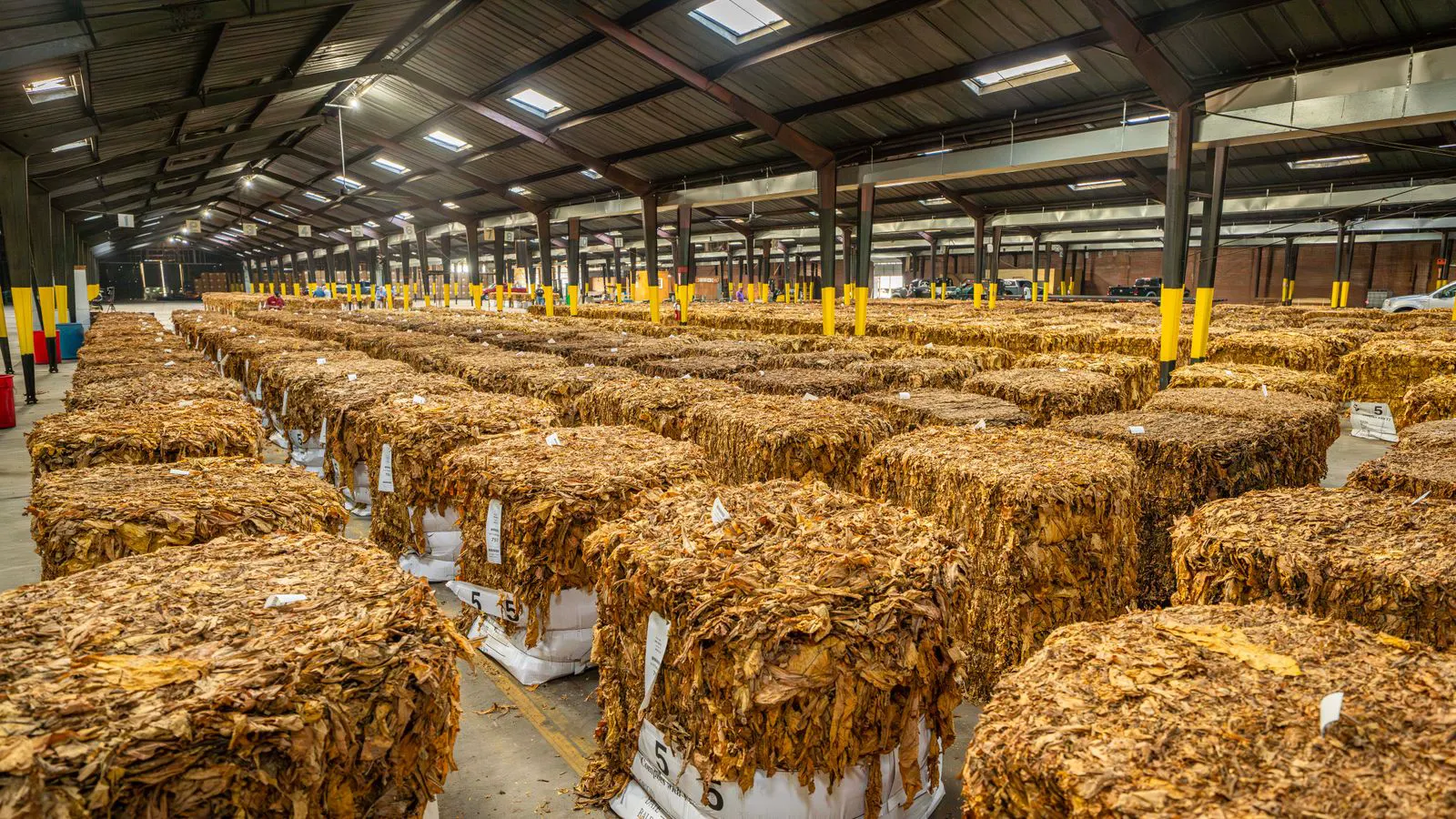
Cotton and linen originate from distinct parts of different plants, and this anatomical difference dictates the processing steps, the resulting fiber characteristics, and the final textile performance. Cotton is a seed fiber harvested from the boll of the cotton plant. The fiber surrounds the seed inside the boll, and it must be physically separated from the seed and the plant debris. Linen is a bast fiber extracted from the stem of the flax plant. The fiber runs parallel to the pith within the stem, and it must be loosened from the surrounding tissue before it can be spun.
The processing of cotton begins with ginning. Ginning removes the seeds and the short, fuzzy fibers known as gossypic fibers from the boll. These fibers are short, curved, and have a natural twist or kink. This specific shape allows the fibers to lock together easily during spinning, creating a yarn with a soft hand and a smooth surface. The ginning process can also produce short lint, which is often used for stuffing or lower-grade textiles.
Linen processing starts with retting. Retting is the biological process where flax stems are soaked in water or piled in the field to allow microorganisms to break down the pectin that holds the bast fibers to the stem. This step requires careful timing and monitoring of moisture and temperature. The resulting flax tow is longer, straighter, and stiffer than cotton fiber. The stiffness of the flax fiber creates a fabric that feels cool, crisp, and structured.
For apparel buyers, the raw material stage establishes the baseline for the final product’s performance and consistency. Cotton processing is highly standardized and automated globally. This standardization results in a consistent lot-to-lot quality. Linen processing is more labor-intensive and less uniform. The hand labor involved in stripping and sorting the flax tow leads to greater variation in fiber length, color, and weight. Buyers must define acceptable ranges for hand feel, slub frequency, and color variation before ordering linen. This prevents surprises during bulk production.
Hand Feel, Drape, and Visual Appearance
Cotton drapes softly and conforms closely to the body. The smooth surface of cotton yarn allows the fabric to take dye evenly and to accept prints with high detail. This makes cotton ideal for garments where a close fit and clean lines are required. T-shirts, underwear, and tailored shirts often use cotton for this reason. The fabric feels warm and soft against the skin, which contributes to its popularity in everyday wear.
Linen drapes more loosely and holds a structured shape. The fabric has a visible slub, which is a small thickening in the yarn caused by variations in fiber length. This slub gives linen its characteristic look and texture. The hand feel is cool, dry, and slightly rough. Some buyers prefer this texture for summer wear because it feels less clingy than cotton. The stiffness of the fiber means linen does not mold to the body as quickly as cotton.
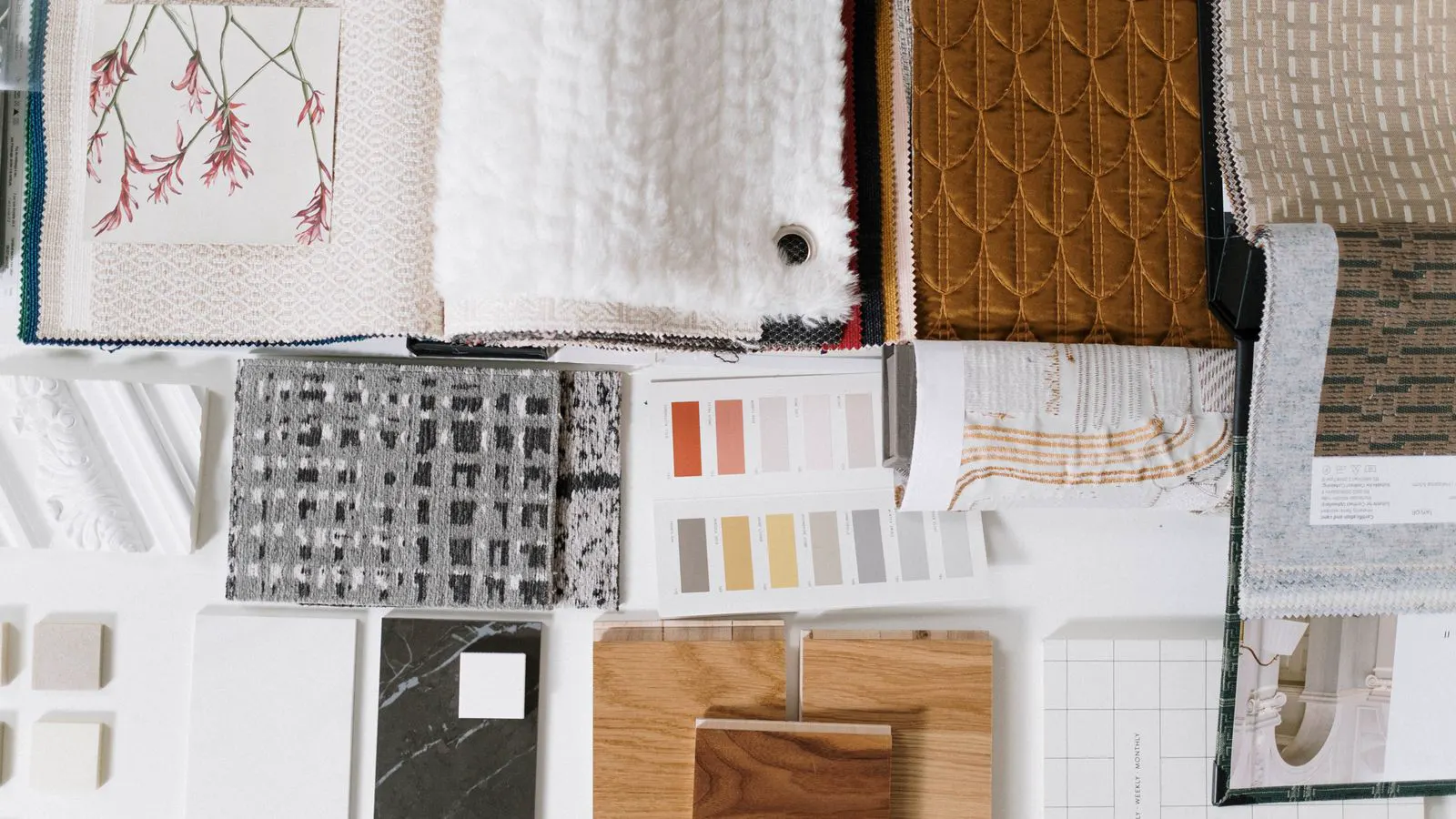
Visual appearance is another key factor in fiber selection. Cotton can be printed or dyed with high detail, allowing for intricate patterns and solid colors. Linen prints may look slightly blurred or textured due to the irregular fiber surface. This is not always a defect. It is a natural characteristic of the fiber. Buyers should show samples to designers before approving bulk production to ensure the visual aesthetic matches the design intent. The natural slub in linen is often considered a positive attribute by consumers who value natural fibers.
Performance in Wear and Care
Cotton is durable and resists pilling well. It can be washed frequently without losing its shape. However, cotton holds moisture longer than linen. This can be a disadvantage in hot and humid conditions because the fabric takes longer to dry. Cotton also tends to wrinkle more than linen. The shorter fiber length of cotton makes it more susceptible to creasing during wear and storage.
Linen is highly breathable and dries quickly. The long fibers allow air to pass through the fabric easily. This makes linen ideal for warm weather. Linen is also very strong. It becomes softer with each wash, but it does not lose its structural integrity. The main drawback is wrinkle formation. Linen wrinkles more than cotton. This is a functional issue, not a quality failure. The wrinkle resistance of linen can be improved with finishing treatments, but these may reduce the natural hand feel.
Care labels must reflect the fiber content accurately. Cotton may require ironing to look presentable. Linen may require a steamer or a gentle iron on low heat. Buyers should test care instructions on sample garments before finalizing the label. This prevents customer complaints about shrinkage or damage. Accurate care instructions are essential for maintaining the garment’s quality and longevity.
Sourcing and Supply Chain Considerations
Cotton sourcing is global and highly competitive. Major producing regions include India, China, Brazil, and the United States. Buyers can choose between conventional cotton and organic cotton. Organic cotton has specific certification requirements. These certificates must be verified during supplier audits. The supply chain for cotton is complex, involving many intermediaries and processing steps.
Linen sourcing is more regional. Europe is the largest producer of flax. Belgium, France, and the Netherlands lead in high-quality linen production. Buyers often source linen from these regions for consistent quality. Supply chains are shorter than for cotton, but volumes are lower. The regional nature of linen production makes it more susceptible to local weather conditions and agricultural policies.
Cost varies by grade and origin. Premium linen commands a higher price than standard cotton. This is due to the labor-intensive processing and lower yields. Buyers should factor in the cost of higher-quality raw material when pricing the final garment. Long-term contracts can help stabilize costs for both fibers. Understanding the supply chain dynamics helps buyers make informed decisions about sourcing and pricing.
Comparison Table for Apparel Buyers
| Option | Best for | Limitations |
|---|---|---|
| Cotton | Softness, ease of dyeing, close fits | Wrinkling, moisture retention, higher shrinkage |
| Linen | Breathability, durability, summer wear | Wrinkle formation, higher cost, visible slub |
| Cotton-Linen Blend | Balance of softness and breathability | Higher cost than pure cotton, complex sourcing |
| Organic Cotton | Eco-friendly positioning, sensitive skin | Higher price, limited supply, certification costs |
| Flax-Linen | Premium feel, low-impact production | Labor-intensive, regional supply, higher cost |
When to Pick Each Fiber
Choose cotton when the garment requires a soft hand, a close fit, or a clean visual finish. T-shirts, underwear, and casual shirts often use cotton. Buyers should check the yarn count and fabric weight to ensure the right drape. For performance garments, cotton may be blended with synthetic fibers to reduce shrinkage and increase durability. The versatility of cotton makes it suitable for many applications.
Choose linen when the garment needs breathability, durability, and a structured look. Summer shirts, dresses, and outerwear often use linen. Buyers should consider the care instructions and the target market. Linen appeals to consumers who value natural fibers and low-impact production. The fabric softens with use, which can be a selling point. The durability of linen means the garment will last longer than cotton equivalents.
Blends offer a middle ground. Cotton-linen blends combine the softness of cotton with the breathability of linen. They are popular for casual wear and travel clothing. Buyers should define the blend ratio and test the fabric for pilling and shrinkage. A 50/50 blend is common, but other ratios are possible. Blends can help mitigate the limitations of either fiber.
Testing and Quality Checks
Before placing a bulk order, test sample garments for performance. Check for shrinkage in both length and width. Wash the samples multiple times and measure the change. Cotton may shrink more than linen, especially if not pre-treated. Linen may relax but not shrink as much. Accurate shrinkage testing is critical for sizing and fitting.
Check for pilling and abrasion resistance. Cotton resists pilling well, but linen can pill in high-friction areas. This is common for both fibers but varies by weave and finish. Buyers should test the fabric with a pilling machine and assess the results. The results help determine the durability of the fabric in high-wear areas.
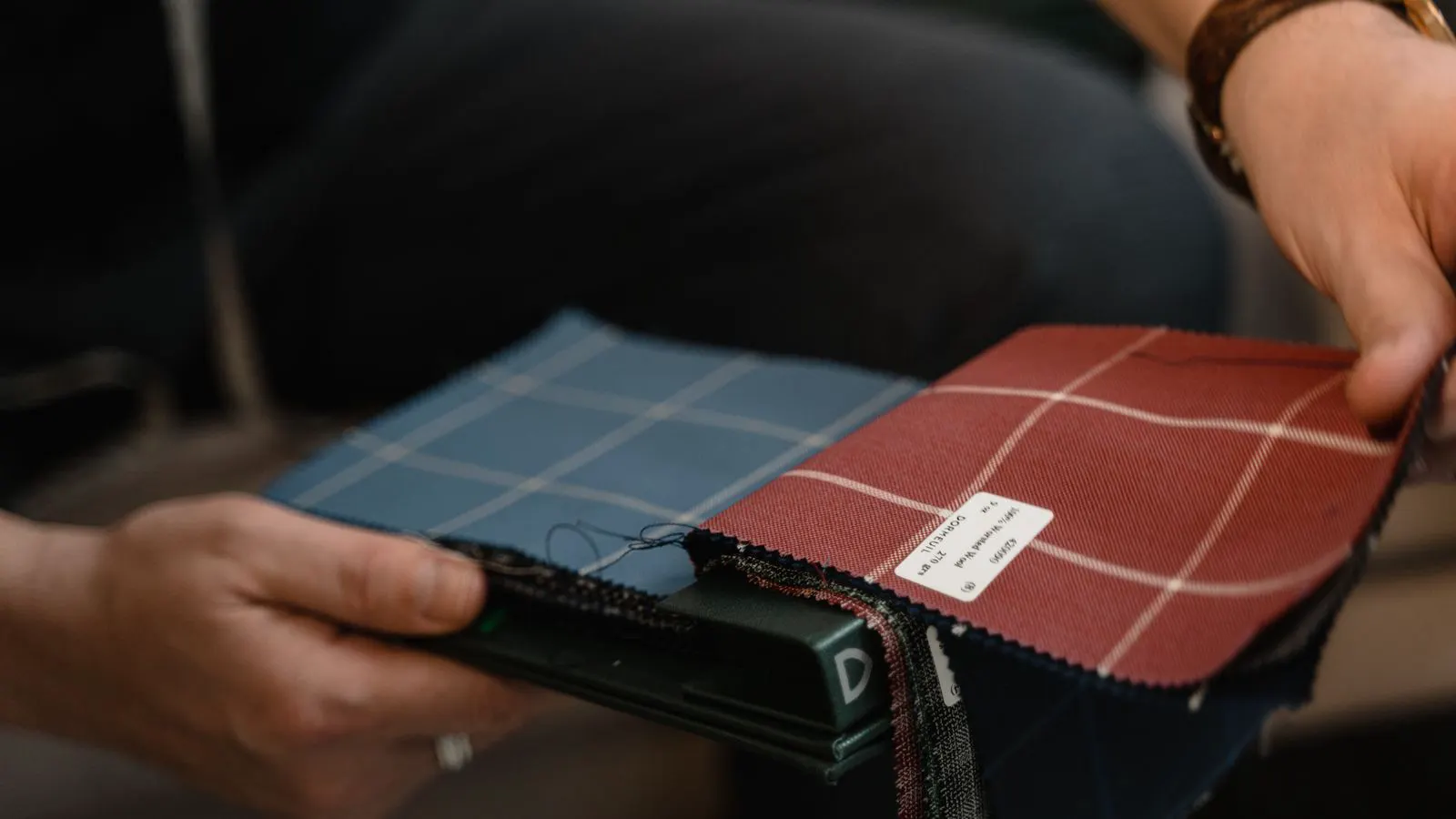
Inspect the fabric for defects. Cotton may have slubs or stains. Linen may have color variation or irregular thickness. Define the acceptance criteria in the purchase order. This prevents disputes during inspection. Clear acceptance criteria ensure that both the supplier and the buyer have the same expectations for quality.
Final Thoughts
Cotton vs linen fabrics are not interchangeable. Each fiber has its own strengths and limitations. Buyers must match the fiber to the end-use garment. Softness and ease of processing favor cotton. Breathability and durability favor linen. Blends offer a balance for specific applications. The choice of fiber directly impacts the garment’s performance and consumer perception.
Sourcing and testing are critical. Verify supplier certifications and test sample garments for performance. Define the care instructions and label the fabric accurately. This approach ensures customer satisfaction and reduces returns. Rigorous testing and clear communication with suppliers are key to maintaining quality standards.
The choice between cotton and linen is a design decision. It reflects the intended use, the target market, and the brand values. Buyers should work with suppliers early to align on quality and performance. This ensures the final product meets the intended purpose.
Frequently asked questions
Which fiber is more durable, cotton or linen?
Linen is generally more durable than cotton. The long, straight fibers of flax create a strong fabric that resists wear. Cotton is also durable but may weaken over time with frequent washing.
Can cotton and linen be blended together?
Yes, cotton and linen are often blended. A 50/50 blend is common. This combination offers the softness of cotton and the breathability of linen. Buyers should test the blend for shrinkage and pilling.
Which fiber is better for summer wear?
Linen is better for summer wear. It is highly breathable and dries quickly. Cotton is also suitable but holds moisture longer. Linen feels cooler against the skin in hot weather.
How does shrinkage compare between cotton and linen?
Cotton tends to shrink more than linen. Linen may relax but not shrink as much. Buyers should pre-wash samples to test the shrinkage rate before placing a bulk order.
Are there cost differences between cotton and linen?
Yes, linen is generally more expensive than cotton. The labor-intensive processing of flax increases the cost. Buyers should factor this into the pricing of the final garment.