Cotton and Natural Fiber Fabrics: A Complete Overview
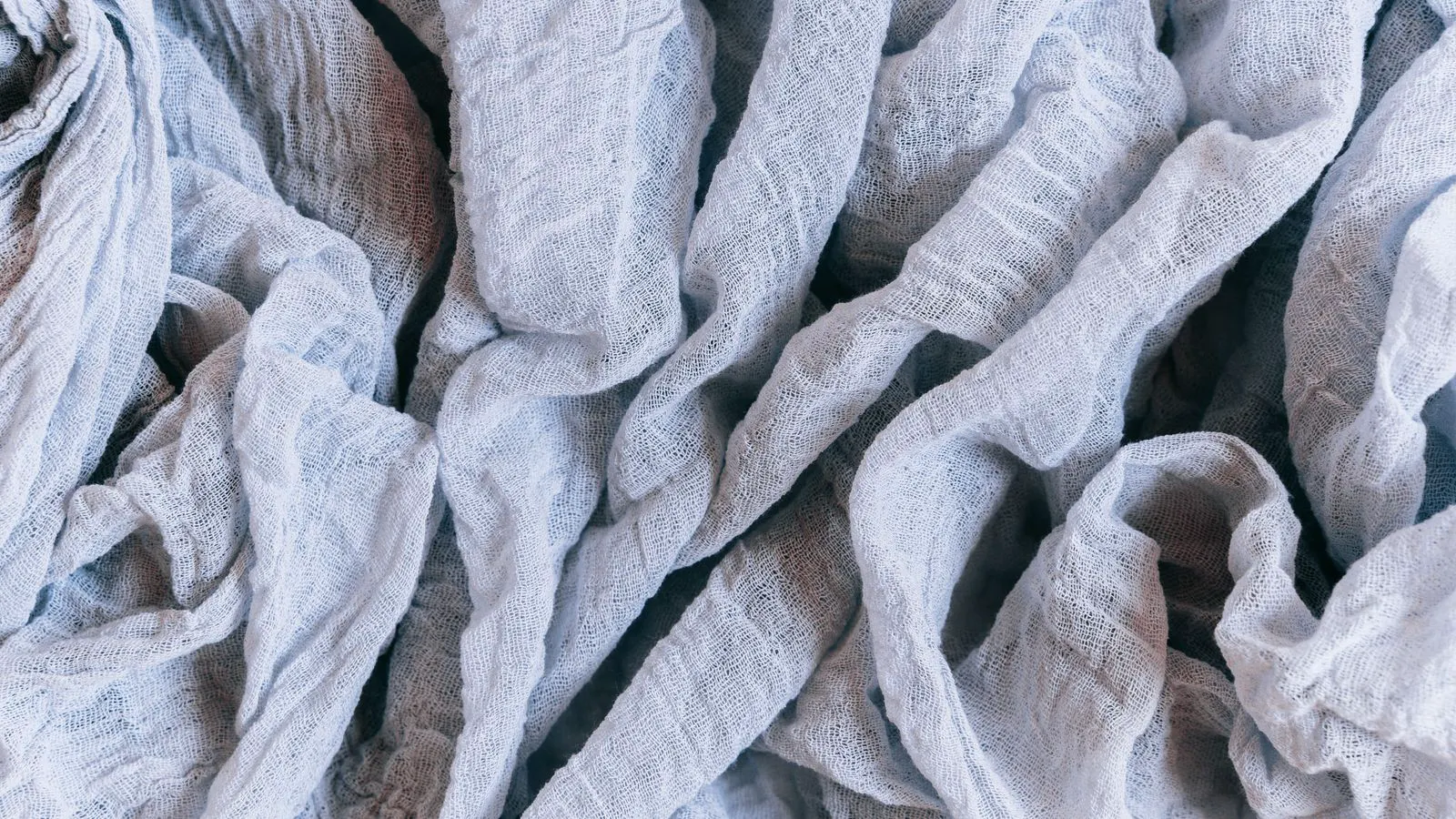
Cotton and natural fiber fabrics are made from plant or animal sources. Their properties differ by fiber length, origin, and processing. Understanding these differences helps buyers match material to product function and compliance requirements.
- Natural fiber fabrics include cotton, linen, wool, silk, hemp, jute, and viscose regenerated from cellulose.
- Fiber length and source determine hand feel, durability, and shrinkage behavior.
- Sourcing specs should match fiber type, origin, and processing history.
- Cotton and linen are the most common natural options for apparel and home textiles.
- Natural fibers vary in care requirements and environmental impact.
What Counts as a Natural Fiber Fabric
Natural fiber fabrics are made from plant or animal sources. Cotton comes from cotton plants. Linen comes from flax stalks. Hemp comes from the hemp plant. Wool comes from sheep. Silk comes from silkworm cocoons. Jute comes from the jute plant. Bamboo, ramie, and pineapple leaf fiber are also natural.
A common point of confusion is that viscose, lyocell, and modal are cellulosic fibers. They are not natural in the same way cotton is, because they are regenerated from wood or cotton pulp through chemical processing. They fall under regenerated natural fibers. For sourcing purposes, buyers usually separate them from undyed, raw natural fibers because the processing steps, certifications, and cost drivers differ.
The distinction matters when writing specs. A spec sheet that says “natural fabric” without naming the fiber is too broad. It does not tell the buyer whether the material is cotton, linen, wool, or regenerated cellulose. It also does not indicate whether the fabric is dyed, bleached, washed, or finished.
How Cotton, Linen, and Wool Compare
Cotton is a short-staple to medium-staple cellulose fiber. It absorbs moisture quickly and dries at a moderate rate. It is soft, easy to dye, and widely available. Cotton fabric is the baseline for many apparel and home textile specifications.
Linen is a bast fiber from flax. It has longer fibers than cotton. It is strong, cool, and has a dry hand. It wrinkles more than cotton. It is often used in summer apparel, shirting, and upholstery. Linen is more prone to variation in color and texture than cotton.
Wool is a protein fiber from sheep. It is elastic and insulating. It resists odor and shrinks when exposed to heat and agitation. Wool is used in suiting, knits, and outerwear. It is more expensive than cotton and requires careful care.
| Fiber | Source | Typical Use | Key Property |
|---|---|---|---|
| Cotton | Cotton plant | Apparel, bedding, towels | Soft, absorbent, easy to dye |
| Linen | Flax plant | Shirts, dresses, upholstery | Cool, strong, wrinkle-prone |
| Wool | Sheep | Suits, knits, outerwear | Elastic, insulating, odor-resistant |
| Silk | Silkworm | Dresses, scarves, luxury apparel | Lustrous, smooth, protein-based |
| Hemp | Hemp plant | Canvas, denim, eco-apparel | Durable, coarse, strong |
| Jute | Jute plant | Bags, ropes, rugs | Very strong, coarse, low cost |
How Fiber Structure Affects Sourcing
Fiber length, fineness, and twist determine how a fabric behaves. Cotton short staple is common in towels and shirting blends. Long staple cotton, such as pima or Egyptian cotton, is used for finer, softer fabrics. The difference is not only in marketing. It changes the yarn strength, fabric drape, and pilling resistance.
Linen fibers are longer and stiffer than cotton. They produce a fabric with more body and less stretch. The fabric can feel rough at first but softens with use. Sourcing linen requires attention to lot consistency because flax harvests vary by region and year.
Wool fiber length is measured in millimeters. Finer wools are used for suiting. Coarser wools are used for sweaters and outerwear. The micron count and staple length affect the hand feel and the type of loom or knitting machine that can process the fabric.
Hemp and jute are bast fibers. They are strong but stiff. They are often blended with cotton to reduce cost and soften the hand. Hemp cotton blends are common in denim and canvas. Jute cotton blends are used in sacks, rugs, and industrial textiles.
How Origin and Processing Change the Material
The same fiber can behave differently depending on where it is grown or raised and how it is processed. Cotton grown in different regions can have different moisture content, impurity levels, and color. Ginning, carding, and spinning affect the yarn quality.
Linen processing involves retting, which is the breakdown of pectin in the flax stalk. The quality of retting affects fiber length and cleanliness. Hand-drawn linen is finer than machine-processed linen.
Wool processing includes shearing, washing, carding, and spinning. The degree of washing and the type of finish change the fabric’s hand. Scouring removes lanolin and dirt. Finishing adds softness, stiffness, or sheen.
For buyers, origin and processing history are part of the spec. A fabric sample that looks good in the showroom may behave differently on the production line if the processing history changes. Sourcing decisions should include the mill’s processing capability, not just the raw fiber.
How Natural Fabrics Differ in Care and Performance
Cotton is easy to care for. It can be washed at high temperatures. It dries quickly. It is less likely to shrink if pre-shrunk. Cotton resists static but can pill over time.
Linen is more delicate. It wrinkles. It should be washed gently and dried flat or hung to dry. Heat can set wrinkles. Linen is cool in warm weather but not as warm as wool in cold weather.
Wool requires more care. It should be washed cold or dry cleaned. Heat and agitation cause felting and shrinkage. Wool is naturally flame resistant and odor resistant. It is a good choice for outerwear and suiting.
Silk is a protein fiber. It is smooth and lustrous. It should be washed gently and dried away from direct heat. Silk is less durable than cotton in high-friction areas. It is used where appearance and drape matter more than abrasion resistance.
Hemp and jute are durable. They are strong and long-lasting. They are less soft than cotton and linen. They are often used in industrial applications and eco-friendly apparel. They can be rough at first but soften with use.
A Worked Example: Choosing Between Cotton and Linen for a Shirt
A buyer is sourcing a summer shirt for a retail client. The client wants a breathable fabric that resists wrinkles and has a natural look.
The buyer considers two options. Option one is a cotton poplin. It is soft, easy to iron, and widely available. The fabric is light and breathable. It wrinkles less than linen but can feel warmer in hot weather. It is easy to produce in large quantities with low defect rates.
Option two is a linen cotton blend. The blend gives the shirt more body and a cooler hand. It wrinkles more than pure cotton but less than pure linen. The fabric has a casual, textured look. It is more expensive than cotton and harder to source in large, consistent lots.
The buyer checks the client’s requirements. The client wants a premium feel and a natural texture. The client accepts a higher price. The client also wants a fabric that is easy to care for.
The buyer chooses the linen cotton blend. The spec includes the exact blend ratio, the fiber origin, the fabric width, the weight, and the finish. The buyer requests a production sample before approval. The sample is washed and checked for shrinkage. The buyer also checks the lot consistency by ordering a small production run before the full order.
This example shows how natural fiber choices affect sourcing. The fiber type is not just a material selection. It changes the cost, the lead time, the care instructions, and the final look of the product.
How to Write a Clear Spec for Natural Fabrics
A good spec for natural fabrics names the fiber and the blend. It states the fiber origin if relevant. It gives the fabric construction, weight, width, and finish. It includes the color and the dyeing method. It specifies the shrinkage limit and the care instructions.
For cotton, the spec should state the staple type if it matters. For linen, it should state the fiber length and the processing method. For wool, it should state the micron count and the finishing. For blends, it should state the ratio and the order of fibers.
The spec should also include the tests to be performed. These include weight, shrinkage, color fastness, pilling, and abrasion resistance. The tests should be based on the intended use. A shirt and a rug have different performance requirements.
A clear spec reduces disputes. It tells the mill exactly what is expected. It gives the buyer a standard to check the production. It also helps with compliance and sustainability reporting.
Common Mistakes in Natural Fiber Sourcing
One common mistake is to assume that “natural” means low impact. Some natural fibers require heavy water use. Cotton is water intensive. Some natural fibers are processed with chemicals. Viscose and lyocell are regenerated from natural sources but use chemical solvents.
Another mistake is to ignore lot variation. Natural fibers vary by season and region. A fabric that looks good in the first sample may differ in the next lot. Buyers should request multiple samples and approve a production lot before the full order.
A third mistake is to skip care testing. Natural fibers behave differently in the wash. Cotton may shrink. Linen may wrinkle. Wool may felt. The care label must match the actual behavior.
A fourth mistake is to choose a fiber for look alone. The fabric may feel great in the showroom but fail in the field. Abrasion resistance, color fastness, and shrinkage matter more than initial hand feel.
Frequently asked questions
Is cotton the only natural fabric?
No. Linen, wool, silk, hemp, jute, ramie, and bamboo are also natural fibers. Viscose, lyocell, and modal are regenerated from natural sources but are chemically processed.
How do I tell if a fabric is pure cotton or a blend?
Check the care label and the mill certificate of analysis. A pure cotton label states 100 percent cotton. A blend lists each fiber and its percentage.
Which natural fabric is best for hot weather?
Linen and cotton are both good for hot weather. Linen is cooler and more breathable. Cotton is softer and easier to care for.
Can natural fibers be dyed with low impact dyes?
Yes. Many natural fibers can be dyed with low impact dyes. The dye method depends on the fiber type and the desired color.
How do I reduce shrinkage in natural fabrics?
Pre-shrink the fabric before cutting. Use appropriate washing temperatures. For wool, avoid heat and agitation. For cotton and linen, follow the mill's care instructions.