Cotton Fabric Outlook: 2026 Natural Fiber Trends
Buyers should expect tighter supply constraints, stronger demand for certified natural fibers, and more pressure on cost consistency. Planning around traceability and flexible sourcing will help manage risk. This cotton fabric outlook highlights the main shifts to watch.
- Expect tighter availability for premium cotton grades, especially long-staple varieties.
- Traceability and certification will move from a marketing point to a procurement requirement.
- Buyers should build buffer stock or dual-source key SKUs to manage price and supply volatility.
- Quality checks must tighten around shrinkage, colorfastness, and fiber content.
- Natural fabric trends favor blended structures that balance comfort, durability, and cost.
What is driving the current cotton market
The cotton market is moving through a period of pressure. Buyers are seeing tighter availability for certain grades, while consumers continue to demand natural fibers that feel soft and perform well in daily wear. This mix creates a difficult balance. Suppliers cannot simply raise prices without losing volume. They also cannot overpromise on delivery dates when raw material flows are uneven.
Long-staple cotton remains the benchmark for premium apparel. Shorter staple grades serve basic garments and home textiles. The distinction matters for buyers. Long-staple fibers produce smoother hand feel, better drape, and more consistent dye uptake. Shorter staples are easier to source at lower cost but often require more finishing to reach acceptable quality.
Weather and planting decisions in major growing regions continue to affect supply. Drought, rain, and labor availability all play a role. Buyers who source from a single region are more exposed to disruption. Those who maintain relationships across multiple origin points can adjust faster when one supply chain slows.
The cotton market also reflects broader energy and logistics costs. Shipping, storage, and processing all add to the final fabric price. A fabric that looks stable on paper can shift in cost by the time it reaches the cutting room. Buyers need to treat fabric pricing as a moving target, not a fixed line item.
Which natural fabric trends are gaining traction
Natural fabric trends are shifting toward transparency and performance. Buyers are no longer satisfied with generic claims of being natural or sustainable. They want documented fiber origins, clear processing records, and measurable performance traits. This is especially true for brands that sell to retail channels with strict compliance rules.
Certification is moving into the core buying process. Organic, recycled, and low-impact processing labels are now part of standard supplier questionnaires. Some buyers are also asking for water usage data from mills, even if they do not publish it publicly. The question is no longer whether a fabric is certified. It is whether the certification can be verified and maintained across production runs.
Performance is another strong trend. Natural fibers are being engineered to handle more wear. Cotton blends with synthetic or technical fibers are common in workwear, outdoor apparel, and home textiles. These blends improve durability while keeping the comfort and breathability associated with cotton.
Comfort continues to drive demand. Soft hand feel, light weight, and drape are still top priorities for apparel buyers. This is why high-twist yarns and finer thread counts remain popular. They create a fabric that feels smooth on skin but still holds shape after washing.
Home textiles are following a similar path. Buyers are looking for cotton blends that resist wrinkling and shrinkage without losing a natural look. This often means tighter weave structures, better finishing treatments, or a higher proportion of high-quality cotton in the blend.
How supply constraints are changing buyer strategy
Supply constraints are pushing buyers to plan further ahead. Lead times for certified cotton and premium grades are longer than they were a few years ago. This means production schedules need more buffer. A six-week fabric lead time may become eight or ten weeks when raw material is tight.
Dual sourcing is becoming standard practice. Many buyers now qualify two or three mills for key SKUs. This does not mean splitting orders evenly. It means having a backup source ready if one supplier faces a quality issue, a capacity drop, or a logistics delay. The backup source must meet the same specifications, so qualification takes time.
Buffer stock is another tool. For fast-moving items, buying a small surplus can reduce the risk of a stockout. This is more common in seasonal apparel where a delayed fabric can cost a brand its entire spring collection. The trade-off is higher working capital. Buyers must balance the risk of running out against the cost of holding extra inventory.
Contract structures are also evolving. Some buyers are moving to price collars or index-linked pricing. This gives both parties a framework for adjusting costs when raw material prices move. It is more complex than a fixed price, but it can protect both sides from sudden swings.
What quality checks need to tighten
Quality control is becoming more critical as natural fiber supply becomes tighter. A fabric that passes initial inspection may fail after washing, dyeing, or cutting. Buyers need to test for the properties that matter most in their end product.
Shrinkage is a major concern. Cotton shrinks when wet, and the amount of shrinkage depends on fiber length, yarn twist, weave, and finishing. A fabric that looks stable on the bolt can shrink unevenly after the first wash. Buyers should test shrinkage at the fabric stage, not just after garment construction.
Colorfastness is another key check. Natural fibers take dye differently depending on the fiber type, dye class, and finishing treatment. Some colors fade faster than others. Buyers should test for lightfastness, washfastness, and rubfastness. This is especially important for dark colors and high-visibility items.
Fiber content verification is also more common. Blends are widely used, and the declared composition must match the actual fiber mix. A blend that is listed as 80 percent cotton and 20 percent polyester must be verified by a lab test. This protects buyers from mislabeling and ensures the fabric performs as expected.
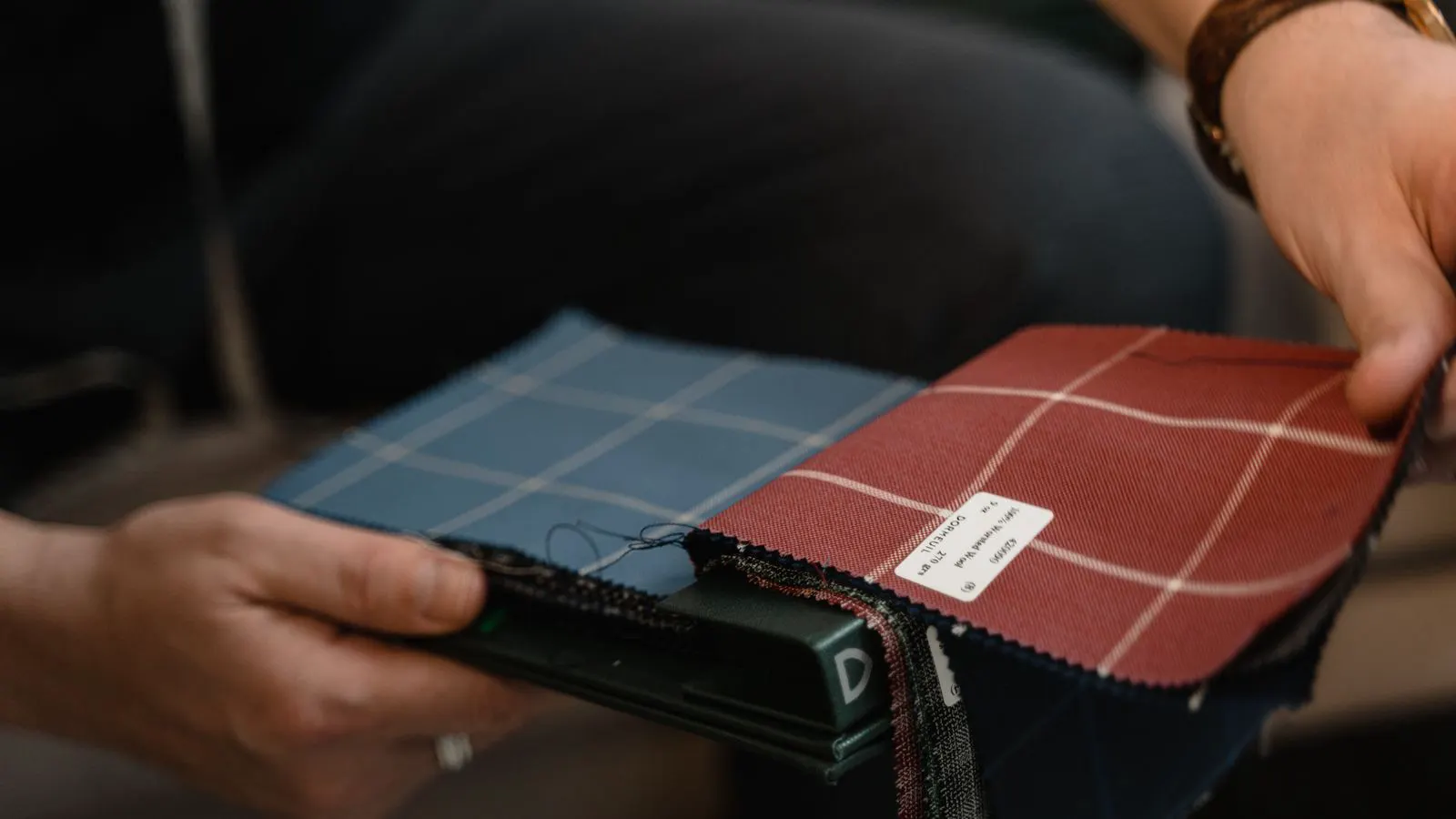
Hand feel and drape are harder to quantify but still matter. A fabric can pass all technical tests and still feel too stiff, too thin, or too rough. Buyers should evaluate hand feel under consistent lighting and after the fabric has relaxed. A small sample cut, washed, and dried is more useful than a fresh bolt sample.
How buyers should prepare for 2026
Preparation starts with clearer specifications. Every fabric order should state the fiber content, weight, weave, color, shrinkage limit, and performance requirements. Vague specifications create room for disputes. When a supplier delivers a fabric that looks close but not quite right, the buyer has no clear basis for rejection.
Sourcing relationships need to be reviewed. Buyers should identify which suppliers are most exposed to raw material risk and which have stable production capacity. A supplier with a long history and diversified sourcing may be more reliable than a newer supplier offering lower prices. Price is not the only factor.
Production schedules should include more buffer. If a fabric normally takes six weeks, plan for eight. This extra time can cover delays in raw material delivery, mill capacity issues, or shipping disruptions. It also gives the buyer time to correct minor quality issues before garment production starts.
Testing should happen earlier in the process. Testing a fabric after it has been dyed and finished is useful, but testing after dyeing and before finishing can catch problems sooner. If a color is off, it is cheaper to adjust the dye lot than to rework finished fabric.
What to expect from cotton and natural fibers in the coming year
The coming year will bring more pressure on buyers to balance cost, quality, and availability. Cotton fabric outlook signals suggest that premium grades will remain in demand while basic grades face more competition. Natural fabric trends are moving toward documented performance and traceability, not just marketing claims.
Buyers who plan ahead will have an advantage. Those who rely on last-minute sourcing or single suppliers will face more risk. The cotton market is not a single market. It is a collection of regional, grade-specific, and quality-based flows. Understanding those differences is the key to managing risk.
The table below summarizes the main shifts buyers should plan for and the actions that reduce risk.
| Shift | What it means | Buyer action |
|---|---|---|
| Tighter premium supply | Long-staple and certified cotton may have longer lead times | Qualify backup mills and build buffer stock |
| Stronger traceability demand | Buyers and retailers ask for fiber origin and certification | Request documentation before placing orders |
| Price volatility | Raw material and logistics costs can change quickly | Use price collars or index-linked contracts |
| Quality pressure | Fabric must meet tighter shrinkage and colorfastness limits | Test at multiple stages of production |
| Blend popularity | Cotton blends are used to improve durability | Specify exact fiber content and performance traits |
| Longer lead times | Production schedules need more buffer | Plan for eight weeks instead of six |
How to evaluate suppliers for the new environment
Supplier evaluation needs to change. Price is still important, but it is no longer the main factor. A lower-cost supplier that cannot meet quality or delivery requirements will create more cost in the long run.
Buyers should assess supplier capacity, raw material sourcing, and quality systems. A supplier that controls its own cotton sourcing or has long-term contracts with growers is generally more stable than one that buys spot raw material. A supplier with in-house labs can test fabric faster and correct issues sooner.
Communication is another key factor. Suppliers that provide clear updates on capacity, quality, and lead times are easier to work with. A supplier that is quiet until a problem occurs is a risk.
The relationship should be based on mutual accountability. Buyers should be clear about their own requirements and deadlines. Suppliers should be clear about their capacity and limitations. This reduces surprises and makes problem solving faster.
What buyers should avoid
One of the biggest mistakes is over-reliance on a single supplier or origin. This creates vulnerability when supply tightens. Even a trusted supplier can face unexpected issues.
Another mistake is treating fabric as a static cost item. Fabric prices move with raw material, energy, and logistics. Buyers who lock in a fixed price without understanding the market can end up with a bad deal or a broken supply chain.
Ignoring quality testing is another error. Natural fibers are sensitive to processing. A small change in dyeing or finishing can change hand feel, color, and shrinkage. Testing at multiple stages catches problems before they become expensive.
Finally, buyers should avoid vague specifications. Every fabric order should state the exact requirements. This includes fiber content, weight, weave, color, and performance limits. Clear specifications reduce disputes and improve the chance of a successful delivery.
The cotton fabric outlook for the coming period is shaped by tighter supply, stronger quality expectations, and a growing need for traceability. Natural fabric trends are moving toward documented performance and flexible sourcing. Buyers who plan ahead, test early, and maintain multiple relationships will be better positioned to meet their production goals.
Frequently asked questions
What is the biggest risk for cotton fabric buyers right now?
Supply tightness for premium grades is the main risk. This can cause longer lead times and higher prices.
Should I buy more buffer stock for cotton?
For fast-moving items, a small buffer can reduce stockout risk. The trade-off is higher working capital.
How do I verify natural fiber claims?
Request certification documents, fiber origin records, and lab test results. Verify that the claimed composition matches the actual fiber mix.
What quality checks are most important for cotton?
Shrinkage, colorfastness, and fiber content are the most critical checks. Hand feel and drape should also be evaluated after washing.
How long should I plan for cotton fabric lead times?
Plan for longer lead times than usual. If a fabric normally takes six weeks, build in eight to ten weeks to cover delays.