What Is a Textile Mill: Roles in Fabric Production
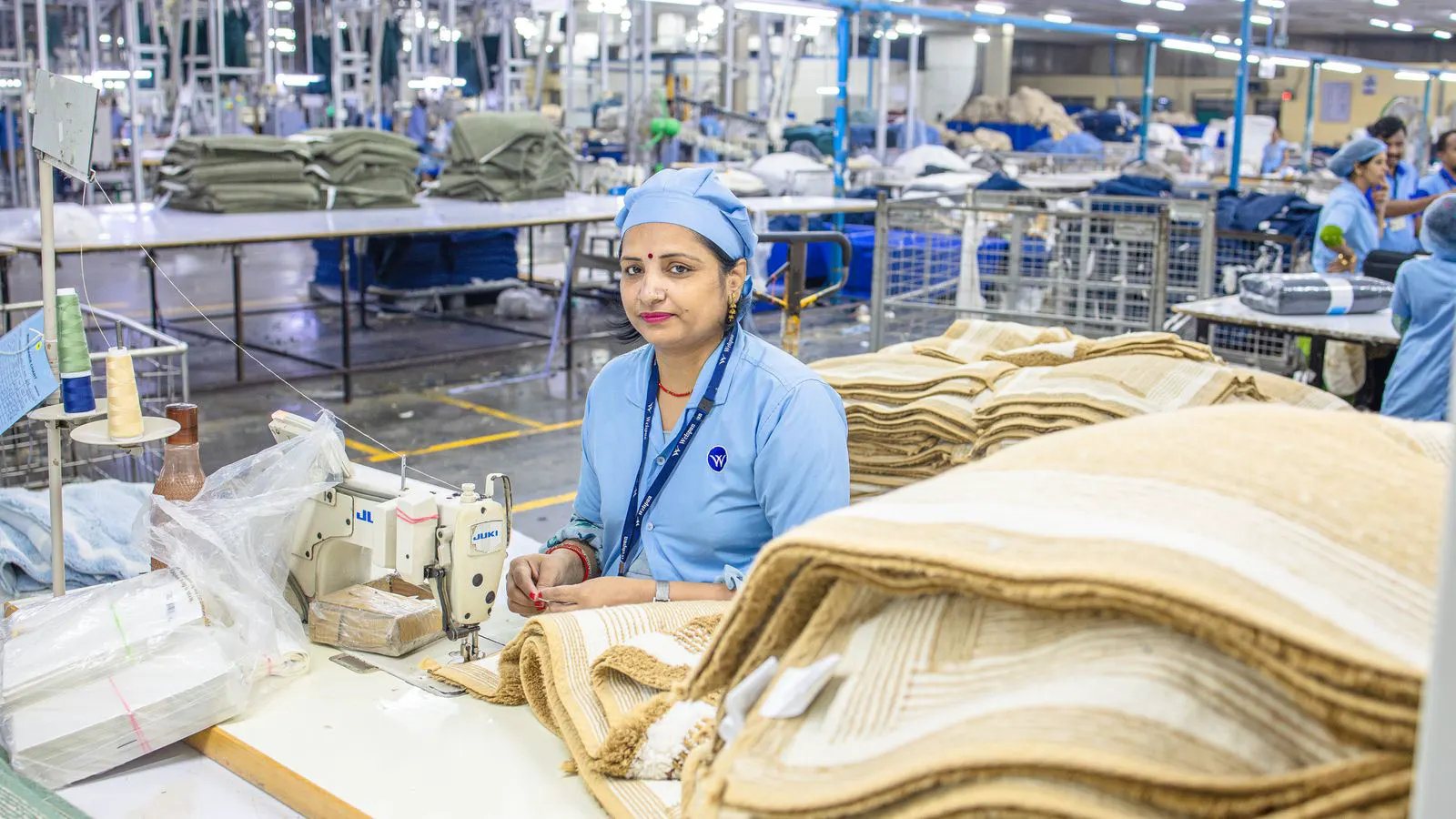
A textile mill is a facility that converts raw fibers into finished fabric through spinning, weaving or knitting, and finishing. Each stage requires specific equipment, skilled labor, and quality checks. Buyers must evaluate mill operations carefully to ensure consistent output, compliance, and delivery reliability.
- A textile mill covers the full path from raw fiber to finished cloth, including spinning, weaving or knitting, and finishing.
- Each stage requires distinct equipment, skilled labor, and quality checks that directly affect buyer outcomes.
- Mill operations determine capacity, lead times, waste rates, and consistency across production runs.
- Sourcing decisions depend on understanding which stages a mill controls and which are outsourced.
What Is a Textile Mill
A textile mill is a facility where raw fibers are transformed into finished fabric. The textile mill definition extends beyond the building itself. It includes the people, machines, quality systems, and supply chains that move material from raw state to usable cloth.
For a professional buyer, the term matters because it defines who controls each stage of production. Knowing what a mill does in-house versus what it outsources shapes your risk, cost, and quality expectations. A mill that spins its own yarn and weaves fabric operates differently from one that only finishes purchased cloth.
The core stages are spinning, weaving or knitting, and finishing. Each stage requires specific equipment, skilled labor, and quality checks. These elements determine whether your fabric meets specifications, arrives on time, and performs as expected in your final product.
Which Stages Does a Mill Control
Most mills operate a subset of the full production chain. Some handle only one stage. Others manage several. The most common configurations are:
- Spinning mill. Converts raw fiber into continuous yarn.
- Weaving or knitting mill. Turns yarn into fabric.
- Finishing mill. Applies treatments that give fabric its final look and function.
- Integrated mill. Controls spinning through finishing in one facility.
Each configuration carries different trade-offs. A spinning-only mill focuses on yarn consistency, twist, and lot uniformity. A weaving mill focuses on pattern accuracy, tension control, and defect rate. A finishing mill focuses on dye lot matching, hand feel, and dimensional stability.
When you source from an integrated mill, you get one point of contact for the full fabric. This simplifies communication but may reduce specialization. When you source from separate mills for each stage, you may get higher performance in specific areas. The cost is managing multiple relationships and coordinating hand-offs.
Your sourcing decision should map to your product requirements. If your fabric depends on precise dye lot matching, a finishing mill with strong color control matters more than a spinning mill’s reputation. If your product requires consistent yarn strength, the spinning stage deserves closer scrutiny.
How Spinning Affects Fabric Quality
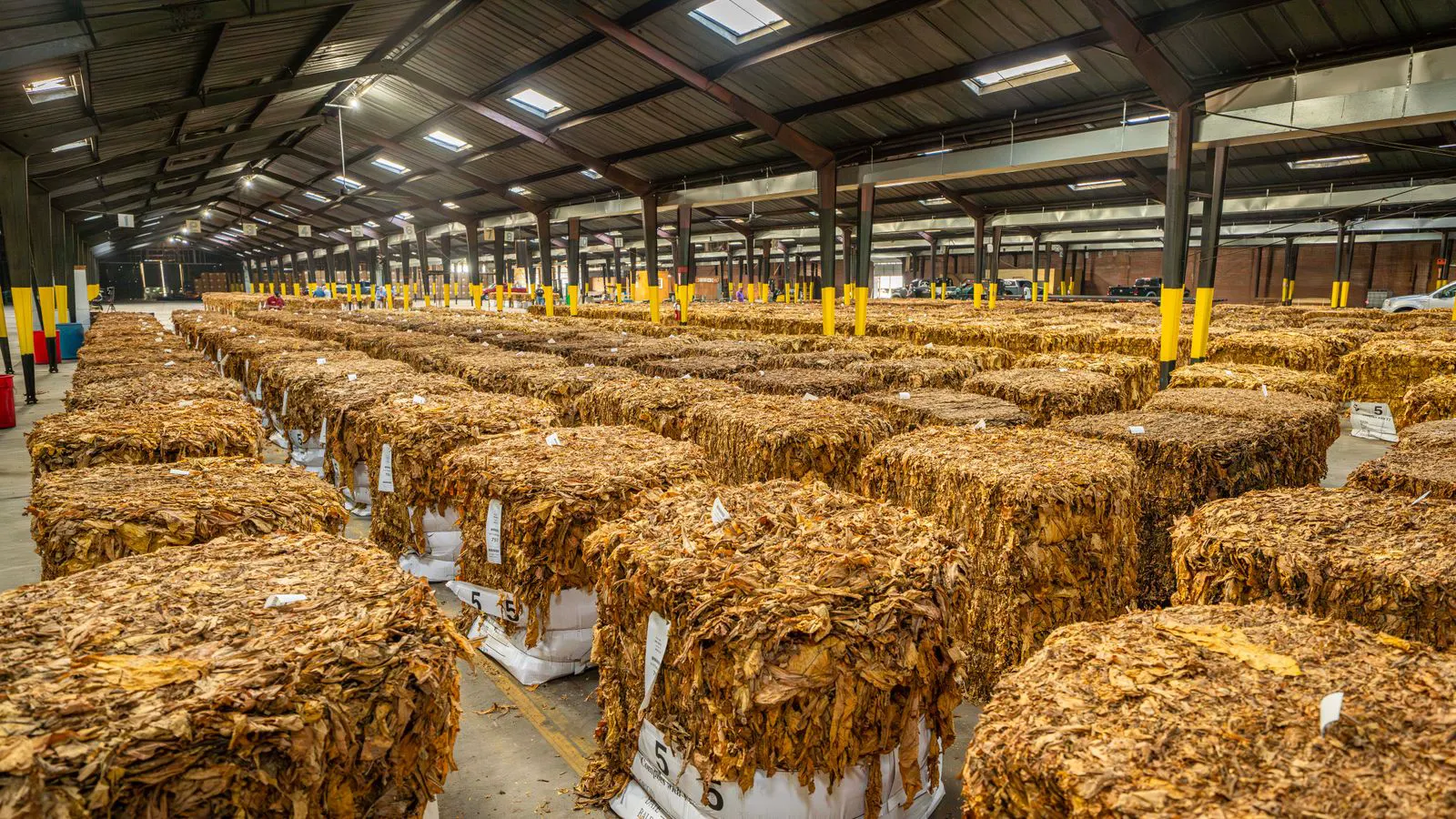
Spinning is the first major conversion stage. Raw fiber, such as cotton, polyester, or wool, is cleaned, carded, and drawn into continuous strands. These strands are then twisted into yarn.
The spinning process determines yarn consistency, twist level, and strength. Cotton carding removes short fibers and impurities before the fiber enters the drawing stages. Polyester spinning involves melting synthetic resin and extruding it through spinnerets. Each method has distinct quality characteristics.
For buyers, the spinning stage affects three things. First, yarn uniformity. Inconsistent twist leads to fabric that looks uneven or weak in specific areas. Second, yarn strength. Weak yarn creates breaks during weaving, which increases downtime and waste. Third, lot consistency. Different spinning shifts can produce yarn with slightly different properties. If your fabric uses multiple lots, you need the spinning mill to maintain tight tolerances.
A practical example helps. You are sourcing a medium-weight cotton twill for workwear. The spinning mill controls carding and drafting parameters. If the carding stage allows too many short fibers, the finished fabric will have a fuzzy surface. That fuzz may look acceptable in a sample but becomes a problem after industrial washing. It traps dirt and wears unevenly. You would not catch this in a small sample unless you test for pilling and surface cleanliness.
The key question for your sourcing team is simple. Does the spinning mill provide yarn data sheets? Do they test twist, tensile strength, and evenness? If they do, request those reports before you commit to a production run. If they do not, assume you are buying on trust, which increases your risk.
Weaving and Knitting: Building the Fabric
The weaving or knitting stage converts yarn into fabric. This is where your design becomes physical structure.
Waving involves interlacing warp and weft yarns on a loom. The warp runs lengthwise and stays under tension. The weft runs across and is inserted by the shuttle or rapier. The pattern, density, and hand feel of the fabric are determined here.
Knitting uses loops rather than interlacing. Circular knitting machines create tubular fabric from yarns fed into needles. Flat knitting machines produce fabric on a bed of needles. Knitted fabric stretches in one or two directions. Woven fabric does not stretch unless the yarn or structure is designed to do so.
For professional buyers, the weaving or knitting stage affects several outcomes.
- Pattern accuracy. Complex patterns require precise tension and timing.
- Fabric width. Loom width limits your usable fabric width.
- Defect rate. Small mistakes create slubs, holes, or irregularities.
- Speed. Machine speed affects capacity and lead time.
A common mistake in sourcing is focusing only on fabric appearance. A sample can look perfect and still reveal problems in production. A weaving mill that runs slow may produce fewer defects per meter. A faster mill may produce more waste. You need to know the mill’s typical defect rate and how they handle it.
Consider a performance knit for athletic wear. The knitting mill controls gauge, loop formation, and yarn feed. If the yarn feed is inconsistent, the fabric will have tight and loose sections. That variation affects stretch recovery and appearance after washing. The mill should be able to show you their in-process checks. Do they measure gauge every few meters? Do they inspect for dropped stitches? If yes, ask for photos or reports from a recent production run.
The knitting or weaving mill also determines your fabric width. A 150 cm loom produces fabric with less waste than a 200 cm loom for certain patterns. If your garment uses a specific cut layout, the fabric width directly affects your cost per unit. Always confirm the usable width, not just the machine width.
Finishing: The Stage That Shapes Performance
Finishing is where fabric gains its final properties. After weaving or knitting, the fabric undergoes a series of treatments. These may include washing, mercerizing, dyeing, printing, and sizing.
Each finishing step changes the fabric. Washing removes sizing and impurities. Mercerizing cotton changes the fiber’s appearance and improves dye uptake. Dyeing adds color. Printing adds patterns. Sizing adds a coating that affects hand feel and wrinkle resistance.
For buyers, finishing is where specification details matter most. A fabric that meets weight and appearance in the raw state may fail after finishing. Shrinkage, colorfastness, and hand feel all depend on finishing parameters.
The most critical aspect of finishing is lot consistency. Dye lots must match. A slight difference in temperature or chemical concentration can shift the color. If your fabric uses multiple dye lots, the finishing mill must maintain tight color control.
A practical example. You are sourcing a polyester-cotton blend for a uniform. The fabric is dyed in a deep navy. The finishing mill controls the dye bath temperature and time. If the temperature varies between batches, the color can shift from a true navy to a slightly cooler blue. That shift may not be visible in a small sample under bright light. In a large production run, the mismatch becomes obvious when panels are laid side by side.
Before committing to a large order, request a color swatch book from the mill. Ask them to show you how they handle shade variation. Do they use spectrophotometers? Do they keep reference swatches? If they can explain their color control process in plain terms, you are dealing with a mill that understands finishing.
Another finishing consideration is dimensional stability. Some fabrics shrink after washing. Some stretch. Your product design must account for this. If you are making a structured garment, you need a fabric that holds its shape. If you are making a relaxed fit, some shrinkage may be acceptable. The finishing mill should provide shrinkage data. If they do not, plan to test finished garments in your own facility.
How Mill Operations Affect Sourcing Decisions
Understanding mill operations changes how you evaluate suppliers. It shifts your focus from price alone to process control.
When you source from a mill, you are buying their process. Their equipment, training, and quality systems are part of the product. A mill with older machines may still produce excellent fabric if their operators are skilled and their maintenance is rigorous. A mill with new machines may produce poor fabric if their process control is weak.
The key questions for your sourcing team are:
- Which stages does this mill control in-house?
- What equipment do they use for each stage?
- How do they inspect quality at each step?
- What is their capacity, and how is it allocated?
- What documents do they provide for each production run?
Capacity is a common point of failure. A mill may have the machines to produce your fabric but not the space, labor, or scheduling flexibility to meet your deadline. During peak seasons, capacity tightens. If you do not book capacity early, you may face delays.
Quality inspection is another differentiator. Some mills inspect every meter of fabric. Others inspect samples at random intervals. The difference matters when you are producing high-value fabric. A missed defect can mean a rejected order or a costly rework. Ask how the mill documents quality checks. Do they keep records? Can they provide a quality report per roll?
Lead time is determined by the sum of all stages. If a mill outsources spinning, their lead time includes the lead time of the spinning supplier. If they control everything, their lead time is shorter but dependent on their internal scheduling. Ask for a production timeline. Break it down by stage. Identify where delays are most likely to occur.
A Worked Example: Sourcing a Cotton Twill
Imagine you are sourcing a 280 g/m² cotton twill for workwear. The fabric will be dyed in a dark gray and used for jackets. You need consistent color, good abrasion resistance, and a lead time of ten weeks.
You contact three mills.
Mill A controls spinning and weaving. They outsource finishing to a partner. Their spinning mill uses carding and ring spinning. They provide yarn data sheets. Their weaving mill runs 120 looms and inspects every roll. The finishing partner uses spectrophotometers and provides dye lot reports. Total lead time is nine weeks.
Mill B controls only weaving. They buy yarn from two suppliers. They finish the fabric in-house. Their weaving mill runs 80 looms. They inspect samples from each roll. The finishing process includes mercerizing and dyeing. Total lead time is eight weeks.
Mill C controls the full chain, from fiber to finished fabric. They have a small spinning mill and a medium weaving mill. They finish in-house. Their quality system is basic. They inspect every third roll. They cannot provide yarn data sheets. Total lead time is eleven weeks.
Mill A offers the best process control. Their integrated spinning and weaving reduces hand-off risk. The outsourcing of finishing is acceptable because the partner provides documentation. Their lead time fits your requirement.
Mill B is faster but carries more risk. Buying yarn from two suppliers means you depend on external quality. If one supplier delivers inconsistent yarn, your fabric will show it. Their in-house finishing is a plus, but their inspection frequency is lower.
Mill C has the longest lead time and the weakest quality system. Their integrated control sounds reassuring, but basic inspection and lack of data sheets increase risk. They are not suitable for your workwear project.
The decision is not about the lowest price. It is about which mill’s operations match your requirements. Mill A’s process control justifies a higher price. You are buying confidence that the fabric will perform.
How to Evaluate a Mill’s Production Workflow
Before you commit to a mill, ask for a production walkthrough. If you cannot visit in person, request a video tour or a detailed document. Focus on the stages that matter most for your fabric.
For a woven fabric, ask about loom type, tension control, and defect inspection. For a knitted fabric, ask about machine type, gauge control, and loop inspection. For finishing, ask about dyeing method, color measurement, and shrinkage testing.
Request documentation from a recent production run. A mill that trusts its process will share quality reports, production data, and inspection records. A mill that is uncertain will offer vague answers or refuse to share.
Pay attention to how the mill describes its problems. Every mill has defects. The question is how they handle them. Do they sort out defective fabric? Do they log the defects? Do they take corrective action? A mill that can explain how they reduce defects over time is more reliable than one that claims zero defects.
Finally, align your specifications with the mill’s capabilities. Do not ask a small finishing mill to produce a high-volume dye lot. Do not ask a basic spinning mill to maintain tight tolerances for a technical yarn. Match the mill’s process to your product requirements.
Sourcing a textile mill is not about finding the cheapest supplier. It is about understanding the process and selecting a mill whose operations support your product. When you know what a textile mill does at each stage, you can make informed decisions about quality, lead time, and risk.
Frequently asked questions
What is the difference between a spinning mill and a weaving mill?
A spinning mill converts raw fiber into yarn. A weaving mill converts yarn into fabric. The spinning stage controls yarn consistency and strength. The weaving stage controls fabric structure and appearance.
Do all textile mills control the entire production process?
No. Many mills specialize in one or two stages. Some outsource spinning, weaving, or finishing. Others integrate the full chain in one facility. Your sourcing risk depends on which stages the mill controls.
How does finishing affect fabric performance?
Finishing adds color, hand feel, and dimensional stability. It also determines colorfastness and shrinkage. A fabric that looks good before finishing may perform poorly after if the finishing parameters are not controlled.
What documents should I request from a textile mill?
Request yarn data sheets, quality inspection reports, dye lot records, and shrinkage test results. These documents show whether the mill controls its process and how it maintains consistency.
How long does the full fabric production process take?
Lead time varies by mill, fabric type, and volume. A typical woven cotton fabric may take several weeks from spinning to finished fabric. Integrated mills may have shorter lead times. Outsourced stages add time.