How to Evaluate Mill Capacity and Production Schedules
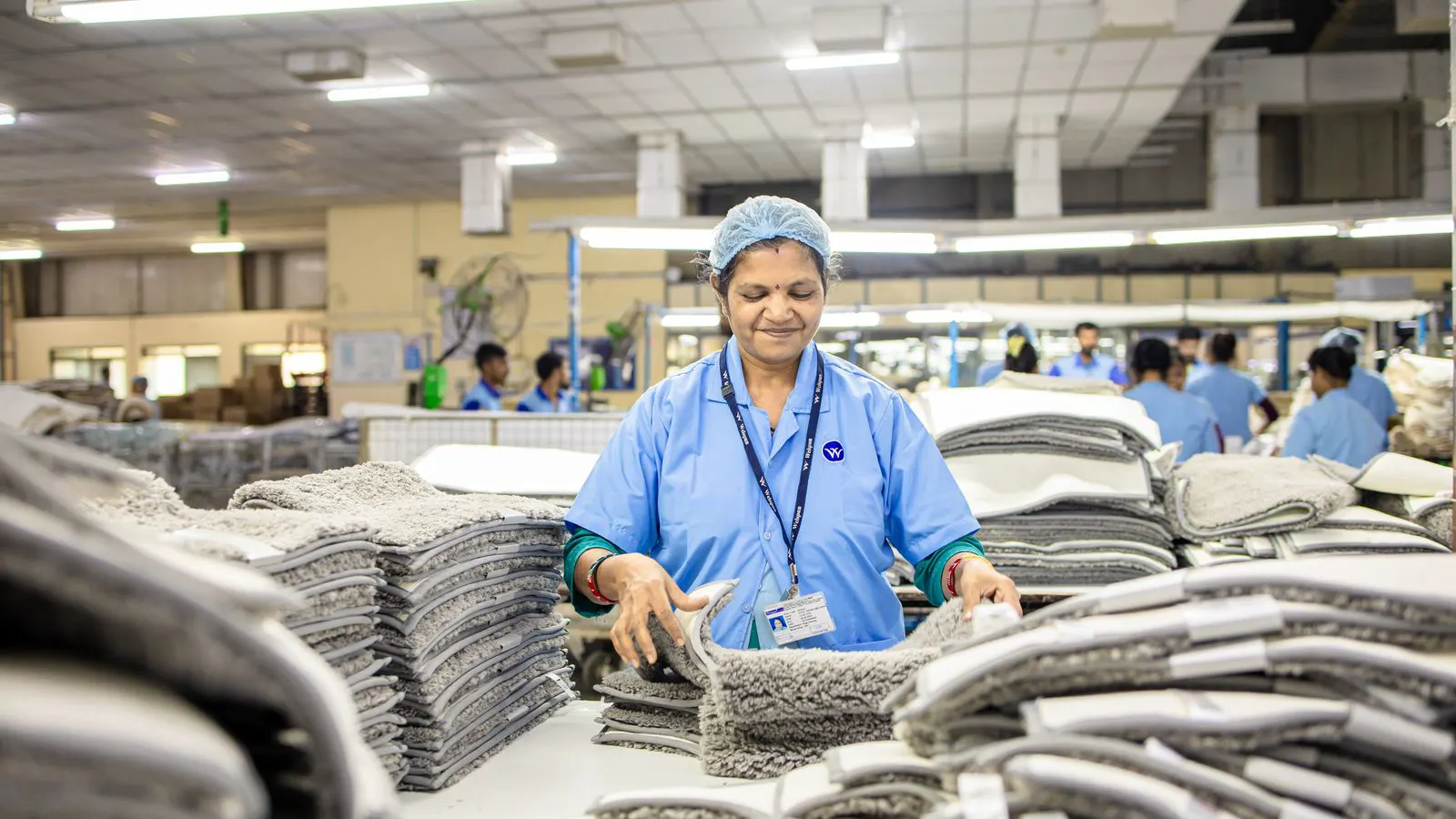
To verify supplier capability, audit production lines, review load data, test sample lead times, and confirm scheduling buffers. This process checks whether a textile mill can meet volume and delivery targets without hidden bottlenecks.
- Match claimed capacity to visible line counts, shift patterns, and utilization rates.
- Test small production runs before locking in bulk volume commitments.
- Review downtime logs and repair records to identify hidden schedule risks.
- Align delivery windows with actual machine changeover times and finishing queues.
- Revisit capacity claims during seasonal peak periods and raw material shortfalls.
Why capacity numbers alone fail verification
A mill may state a monthly output in square meters, but that number often reflects ideal conditions. It assumes full shift operation, zero machine breakdowns, and continuous raw material supply. Buyers who rely on printed capacity figures without checking operational reality frequently miss delivery dates.
Before evaluating a supplier, define your own production planning requirements. List the exact volume, fabric type, delivery window, and quality gates. A 100,000 square meter order in twill and a 50,000 square meter order in heavy denim require very different mill capabilities. The first step is matching your product profile to the mill’s actual equipment mix.
Step 1: Map the production line count and equipment types
Visit the mill or request a detailed production schedule that breaks down line count by process. Count the number of warping machines, weaving or knitting machines, and finishing lines. A mill with ten weaving lines may not be able to handle your order if all ten are already tied to long-term contracts.
The reason for this step is to see the physical limit of the facility. Each machine has a specific output rate that depends on fabric weight, width, and speed. A lightweight jersey runs faster on a circular knitting machine than a heavy interlock. If the mill produces only small widths, your large-width order will suffer from slower throughput.
Step 2: Check shift patterns and actual operating hours
Request a typical week’s operating schedule. Note how many shifts run per day and how many days per week the mill operates. A three-shift mill with 45 working hours per week produces far more than a one-shift mill with 40 hours, even if both have the same number of machines.
The reason for this step is to convert raw machine count into usable output hours. Some mills run two shifts during peak season and one shift during slow months. If you order during the slow season, the mill may cut hours to manage labor costs. If you order during peak season, every line may be running at full tilt with no room for your schedule.
Step 3: Review utilization rates and downtime logs
Ask for the last quarter’s production log. Look for utilization rates, which measure the percentage of scheduled time actually spent producing good fabric. A utilization rate above 90 percent suggests tight scheduling with little buffer. A rate below 75 percent may indicate frequent breakdowns or excessive changeovers.
The reason for this step is to identify hidden schedule risks. Downtime logs show whether losses come from mechanical failures, material shortages, or quality rework. A mill that spends three days a month repairing a single warp knitting machine will struggle to meet tight delivery windows. Review the log for recurring failures on specific machines or processes.
Step 4: Test a small production run
Place a small test order that mirrors your final fabric specification. This run should go through the same warping, weaving or knitting, and finishing steps as the bulk order. Measure the actual lead time from order release to delivery.
The reason for this step is to verify real-world speed. A test run exposes issues that paper schedules hide. It reveals whether the mill can source your exact yarns, whether the finishing line can handle your dye lots, and whether the quality team can approve the fabric within your target timeline. Do not scale up until the small run meets your delivery and quality gates.
Step 5: Audit scheduling buffers and changeover times
Ask how the mill sequences orders on each line. A mill that changes color or fabric type every few days incurs significant changeover time. Warping, dyeing, and finishing each require setup time that eats into production.
The reason for this step is to understand how the mill protects your order from delays. A well-managed mill groups similar fabrics together and reserves buffer time for unexpected issues. If the mill cannot explain how it sequences orders, your delivery date is at risk. Request a sample production schedule that shows order blocks and changeover windows.
Step 6: Verify raw material supply and storage
Check the mill’s yarn and fiber inventory. Look at storage conditions and the number of days of stock on hand. A mill that runs on a just-in-time yarn supply may delay your order if a shipment is late from the yarn supplier.
The reason for this step is to confirm that the mill controls its own input chain. If the mill depends on a single yarn supplier for a specific fiber, any shortage at that supplier becomes your shortage. Ask about alternative suppliers and how many days of safety stock the mill keeps for critical yarns.
Step 7: Confirm quality control checkpoints and rework capacity
Identify where quality checks occur in the production flow. A mill that inspects fabric only at the end of the line may ship large batches of defective material. A mill with inline checks catches issues early and rework before the fabric moves to the next step.
The reason for this step is to protect your delivery schedule from quality-driven delays. Rework consumes line time. If a mill has no spare capacity for rework, a single failed lot can push your delivery date by weeks. Ask for the rework rate by process and how the mill allocates time for it.
Common mistakes in mill capacity evaluation
Buyers often make three recurring errors. The first is accepting a single capacity figure without checking the equipment mix. A mill may claim high output but lack the specific knitting or weaving capability your fabric needs. The second mistake is skipping the small test run. Without a real production test, you cannot verify actual speed or quality control.
The third mistake is ignoring seasonal variation. Capacity changes when raw material costs rise or when demand peaks. A mill that meets your target in a slow quarter may fail in a peak quarter. Always evaluate capacity under the conditions of your actual order season.
Final verification: schedule a live production audit
The final step is a textile factory audit that observes production in real time. Walk the floor during a shift. Watch the warping machines load yarn. Check the weaving or knitting lines for tension issues. Inspect the finishing line for dyeing and washing queues.
The reason for this step is to confirm that the data you collected matches reality. An audit reveals whether the mill’s claims align with what you see on the floor. Bring a checklist that covers line count, shift patterns, downtime logs, and quality checkpoints. Record observations and compare them to the mill’s production schedule. This live check is the strongest indicator of whether the mill can deliver your volume on time.
| Audit Item | What to Verify | Why It Matters |
|---|---|---|
| Line count | Number of weaving, knitting, and finishing machines | Determines maximum physical output |
| Shift pattern | Hours per day and days per week | Converts line count into usable production time |
| Utilization rate | Percentage of scheduled time producing good fabric | Reveals hidden downtime and scheduling efficiency |
| Changeover time | Hours needed to switch fabric types or colors | Affects how tightly orders can be sequenced |
| Rework rate | Percentage of fabric requiring correction | Protects delivery dates from quality delays |
| Safety stock | Days of yarn and fiber inventory on hand | Reduces risk from upstream supply disruptions |
How production planning ties to mill capacity
Production planning is not just about your own order. It is about how the mill sequences your order against all other work. A mill with 50 machines may look capable, but if 45 are locked into long-term contracts, your order competes for the remaining five. The mill’s production planning system determines whether your order gets priority.
When you ask for a production schedule, look for order blocks by fabric type and color. A well-planned schedule groups similar fabrics to reduce changeover time. If the mill cannot show you how it plans around your order, you are taking on the scheduling risk yourself. Align your delivery windows with the mill’s actual sequencing logic, not just its stated capacity.
A mill capacity evaluation is a continuous process, not a one-time check. Revisit the mill’s performance after each order. Track on-time delivery, rework rates, and lead time accuracy. If performance drifts, adjust your order size or find a backup supplier. The goal is not to pick the cheapest mill. The goal is to pick a mill that can meet your volume and delivery targets under real production conditions.
Frequently asked questions
What is the minimum order volume needed to test a mill's capacity?
A small test run should mirror your final fabric specification in width, weight, and finish. The size depends on your order type, but it must be large enough to cover all production steps.
How often should I revisit a mill's capacity evaluation?
Review capacity after each major order and again during seasonal peaks. Raw material shortages and equipment changes can shift output quickly.
What if the mill's utilization rate is below 75 percent?
A low utilization rate may signal frequent breakdowns or excessive changeovers. Investigate the downtime logs before committing to a large volume.
Can a mill with fewer machines outperform a larger mill?
Yes, if the smaller mill has fewer changeovers, better sequencing, and higher per-machine efficiency. Equipment count alone does not determine output speed.
What documents should I request for a textile factory audit?
Request the production schedule, downtime log, raw material inventory report, and quality control records. These documents form the basis for your mill capacity evaluation.