Troubleshooting: Knit Pilling and Woven Shrinkage Issues
Knit pilling and woven fabric shrinkage stem from fiber friction, poor tension, or unstable construction. This guide lists symptoms, causes, and fixes to reduce defects and stabilize quality across production runs.
- Inspect pilling on knit fabric under tension before bulk acceptance.
- Check woven fabric shrinkage after a controlled wash cycle.
- Review construction parameters with the mill before repeating defects.
- Use mechanical and chemical treatments matched to fiber type.
- Keep written records of lot testing for traceability.
Why Knit Pilling Forms on Surface Fibers
Knit pilling appears when loose fibers on the surface twist together into small balls. This happens most often on polyester, wool, acrylic, and cotton blends where surface friction is high. The defect is visible under direct light and becomes more noticeable after washing or wear.
Pilling is not always a sign of poor quality. Some knits, such as terry loops or brushed fabrics, show surface fiber movement by design. The issue starts when the pilling becomes uneven, dense, or appears after a standard wash cycle. Buyers should distinguish between expected surface behavior and a defect that fails inspection.
Common triggers include low tension during knitting, excessive yarn slippage, and aggressive brushing or sanding. If the mill uses a high-twist yarn, pilling may reduce. If the yarn twist is low, the fabric may feel soft but shed more fibers.
Why Woven Fabric Shrinks After Washing
Woven fabric shrinkage changes the fabric width and length after wet processing. This is common with natural fibers such as cotton, linen, and silk, and with some blended wovens. The fabric may look stable on the bolt but contract after a hot wash or tumble dry.
Shrinkage happens because fibers and construction lose their relaxed state. Water relaxes the fiber, and mechanical stress during weaving, cutting, or drying can pull the fabric tighter. If the woven structure is tight or the yarn is high-twist, shrinkage may be uneven.
Buyers often see shrinkage as a width change first, then a length change. A fabric may lose width evenly but tighten in one direction. This causes pattern matching problems and finished garment distortion.
Symptoms, Causes, and Fixes
Use this table to match the defect you see with the likely cause and the next action.
| Symptom | Likely cause | What to do |
|---|---|---|
| Knit pilling after one wash | Surface fibers are loose or yarn twist is low | Ask the mill for yarn twist data and review brushing parameters |
| Uneven pilling on one side of knit | Knitting tension is inconsistent or needle damage | Check machine logs and inspect needles for burrs |
| Woven fabric shrinks in width only | Weft tension was high or finishing stretched the cloth | Request a shrinkage test on a finished swatch after wet processing |
| Woven fabric shrinks in length only | Warp tension was high or fabric was over-stretched during drying | Review warping setup and drying cycle settings |
| Pilling and shrinkage together | Fiber content or construction is unstable | Review fiber composition, yarn construction, and mill finishing notes |
| Defect appears only on some lots | Raw material variation or machine calibration drift | Sample multiple lots and compare lot numbers with mill records |
How to Inspect Knit Pilling Before Acceptance
Inspect knit fabric on a flat table under neutral light. Do not judge pilling only by hand feel. Place the sample under a light box and look for small balls on the face side.
Run a simple friction test. Use a soft cloth or a standard rub test if your lab has one. Rub the sample in a small area for a set number of strokes. Count the pilling that forms and compare it to your acceptance standard.
Check the yarn first. If the mill can provide yarn twist count, note it. Low twist usually means softer hand but higher pilling risk. High twist usually means more durability but a stiffer hand. Ask the mill which direction they recommend for your intended use.
Also check the knitting gauge. If the knit is too loose, the fabric stretches and the surface fibers move more. If the knit is too tight, the fabric may feel rigid and show pilling after abrasion.
How to Test Woven Fabric for Shrinkage
Test woven fabric on a swatch, not only on the full bolt. Cut a sample from the middle of the roll and label it with lot number and date.
Wash the swatch under the conditions the garment will face. If the end use is a hot wash, test hot. If it will be tumble dried, dry it in a dryer. Do not assume a cold wash will show the full effect.
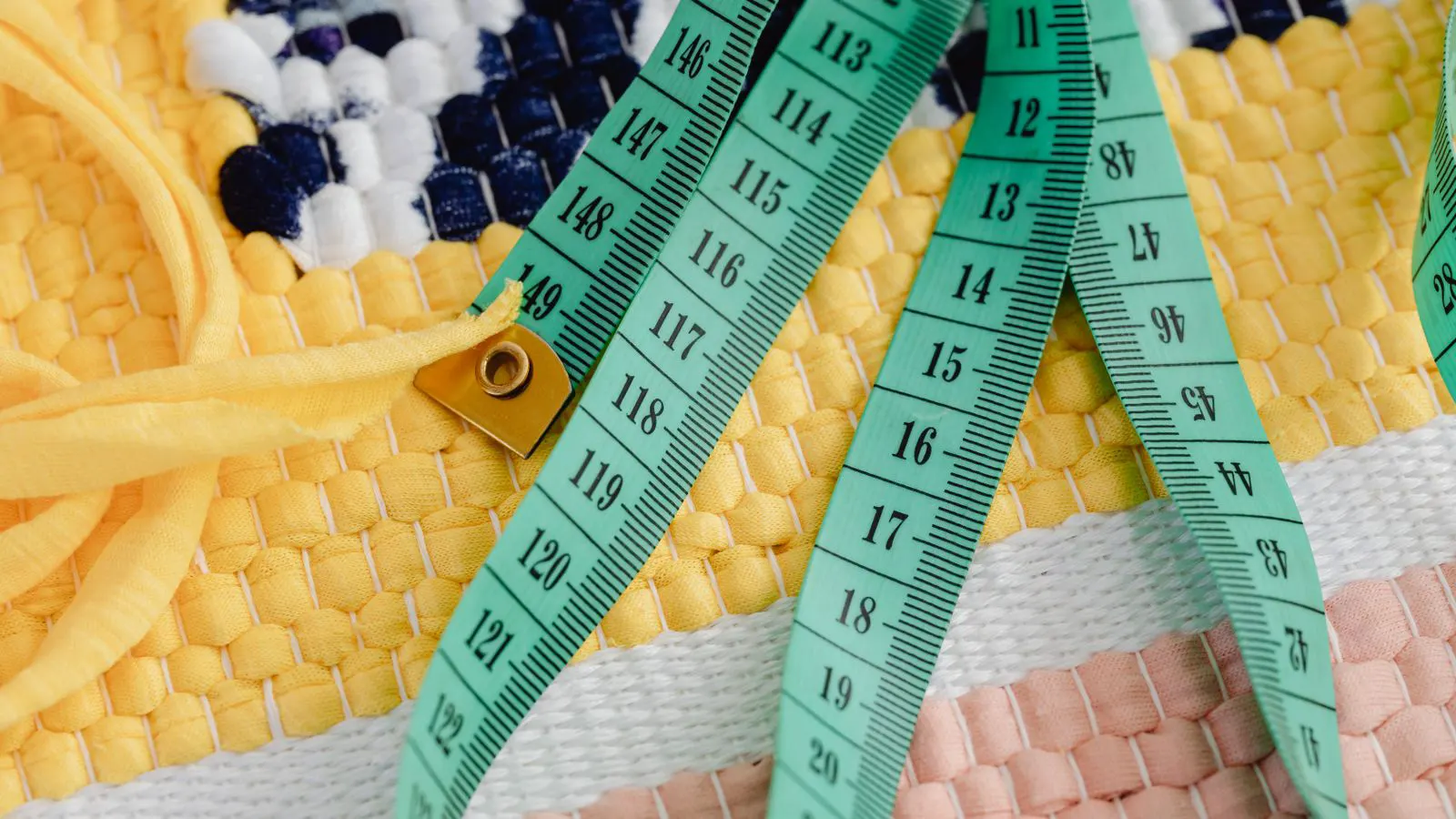
Measure length and width before and after. Record the change in percentage. If width changes more than length, the weft is the weak point. If length changes more, the warp is the weak point.
Compare the result to your tolerance. Many apparel buyers allow a small shrinkage range, but the number must match the garment construction. If the fabric shrinks unevenly, ask the mill to review tension settings on the warping and weaving machines.
Prevention Tips for Knit and Woven Production
Prevention starts before the fabric reaches your warehouse. The mill controls many variables, and you need to confirm them in writing.
- Ask for yarn construction data, including fiber content and twist direction.
- Request a shrinkage test report on woven fabric before bulk release.
- Review pilling test results on knit fabric, especially for brushed or high-friction finishes.
- Confirm finishing steps, such as washing, sanding, or enzyme treatment, are stable across lots.
- Keep a defect log so you can compare lot to lot over time.
If pilling is a concern, discuss mechanical and chemical options with the mill. Mechanical pilling resistance can come from yarn twist and finishing. Chemical treatments can bind loose fibers, but they must be compatible with your wash and wear requirements.
For woven fabric, ask about pre-shrinking. Some mills wash the fabric before delivery to remove most shrinkage. Others leave it to the garment maker. The choice changes cost and lead time, so confirm the expectation early.
What to Check Before Placing a Bulk Order
Before releasing a bulk order, confirm the fabric construction in writing. The mill should be able to explain how the fabric will behave after washing and wear.
Check the lot number on the swatch and the final roll. If the swatch passes but the bulk roll fails, the problem is likely consistency, not design. Ask the mill to retest the failing lot under the same conditions.
Keep samples from each lot in a labeled file. If a future batch shows pilling or shrinkage, you can compare it to the approved sample. This helps you decide whether the issue is a one-off defect or a process drift.
If the problem repeats across multiple lots, do not rely on spot fixes. Ask the mill to review the entire production chain, from yarn selection to finishing. The fix may be a different yarn, a different tension setting, or a different finishing cycle.
When to Reject or Request Remediation
Not every defect needs rejection. Some minor pilling can be acceptable if it stays below your threshold and does not spread after wash. Some woven shrinkage can be managed if it falls within your garment construction tolerance.
Reject the lot if the defect fails your acceptance standard, if the fabric cannot be corrected without changing the design, or if the mill cannot explain the cause. Remediation may work if the defect is localized and the mill can reprocess the fabric under controlled conditions.
Document the decision. Note the lot number, the defect, the test method, and the action taken. This record protects both sides and helps you set clearer specifications next time.
Common Mistakes That Make Defects Worse
A common mistake is testing only one swatch from one lot. That gives a small picture of quality. If the lot is large, sample from different sections and, if possible, from multiple lots.
Another mistake is using the wrong wash cycle. Testing woven fabric in a cold wash when the garment will be hot washed will hide shrinkage. Testing knit pilling without friction will miss surface fiber movement.
A third mistake is ignoring the fiber content. A polyester knit and a wool knit behave differently. A cotton woven and a linen woven shrink differently. The same test method does not always give the same answer.
How to Talk to the Mill About Defects
When you contact the mill, be specific. State the lot number, the defect, the test method, and the result. Ask for the cause, not only an apology.
A useful question is, what changed between the approved sample and the failing lot? That forces the mill to compare process steps. It may reveal a yarn change, a machine calibration shift, or a finishing adjustment.
Ask for a written response. If the mill agrees the defect is real, ask for a corrective action plan. If they disagree, agree on a retest protocol and a neutral reference standard.
Frequently asked questions
Can pilling be fixed after the fabric is already cut?
Light pilling can sometimes be removed with a fabric shaver, but heavy pilling usually cannot be corrected without damaging the surface.
Does woven fabric always shrink after washing?
No, but most natural and blended wovens shrink to some degree. Pre-shrinking and stable construction reduce the amount.
How do I know if pilling is a defect or normal behavior?
Compare the sample to your acceptance standard and run a friction test. If pilling grows after a standard wash or exceeds your threshold, treat it as a defect.
Should I test knit and woven fabric the same way?
No. Knits need friction and stretch tests to check pilling and recovery. Wovens need shrinkage tests after wet processing to check stability.
What is the best way to prevent shrinkage in woven fabric?
Confirm finishing and pre-shrinking with the mill before bulk release, and test a swatch under the actual wash and dry conditions.