Cost and Lead Time: Knit vs Woven for Bulk Uniforms
Knit fabrics often cost less upfront but demand tighter quality control to avoid shrinkage. Wovens usually cost more but offer better dimensional stability. Lead times vary based on fabric complexity and sourcing location. A clear RFQ helps buyers compare quotes fairly.
- Knit fabrics typically offer lower material costs but higher risk of shrinkage and pilling.
- Woven fabrics command premium pricing due to complexity but provide better size retention.
- Lead time depends heavily on fabric type, sourcing location, and minimum order quantities.
- Clear RFQs with specific specs help buyers compare quotes fairly and avoid hidden costs.
- Total cost of ownership includes fabric price, finishing, shrinkage, and defect rates.
What drives the price difference?
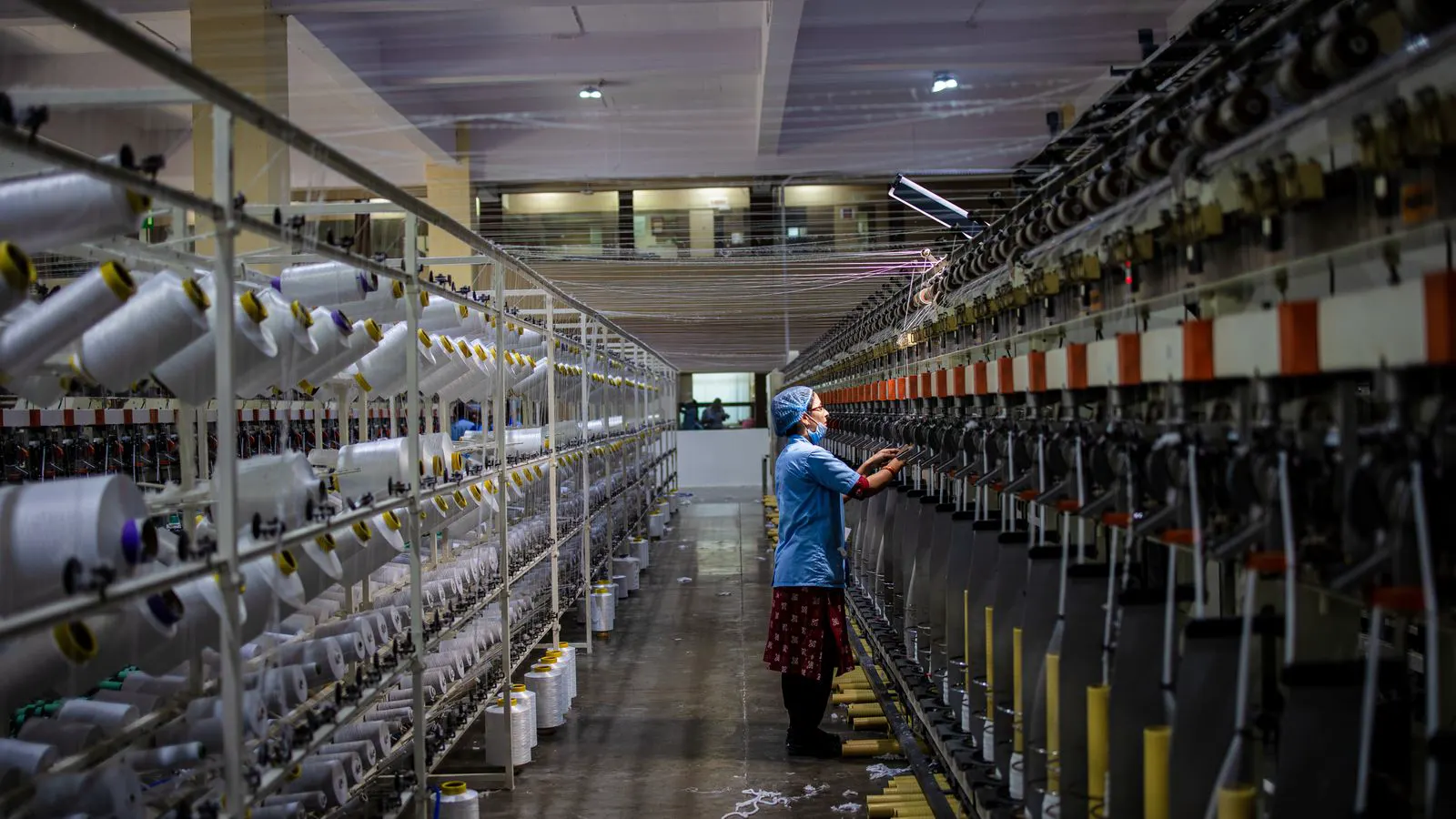
Fabric price is not just about raw material. It is a calculation of yarn cost, machine time, finishing, and quality control. Knit fabrics generally start at a lower price point than wovens of comparable weight. This is because knitting machines can produce fabric faster than looms. A single knitting machine can run multiple colors simultaneously. A loom, by contrast, processes one fabric at a time.
Yarn choice matters more than fiber type. A polyester knit will cost less than a cotton knit. A nylon woven will cost more than a polyester woven. The fiber determines the baseline. The construction determines the multiplier.
Bulk uniforms change the math. When you order five hundred pieces, unit costs drop. When you order five thousand, the drop is steeper. But the fabric type still sets the ceiling and floor.
How does lead time actually work?
Lead time is the time between placing an order and receiving the fabric. It is not just shipping. It is production scheduling, quality checks, and customs clearance.
Knit fabrics usually have shorter lead times. The production process is faster and more forgiving. Small batches can run without stopping the line. If a batch fails inspection, the machine restarts quickly.
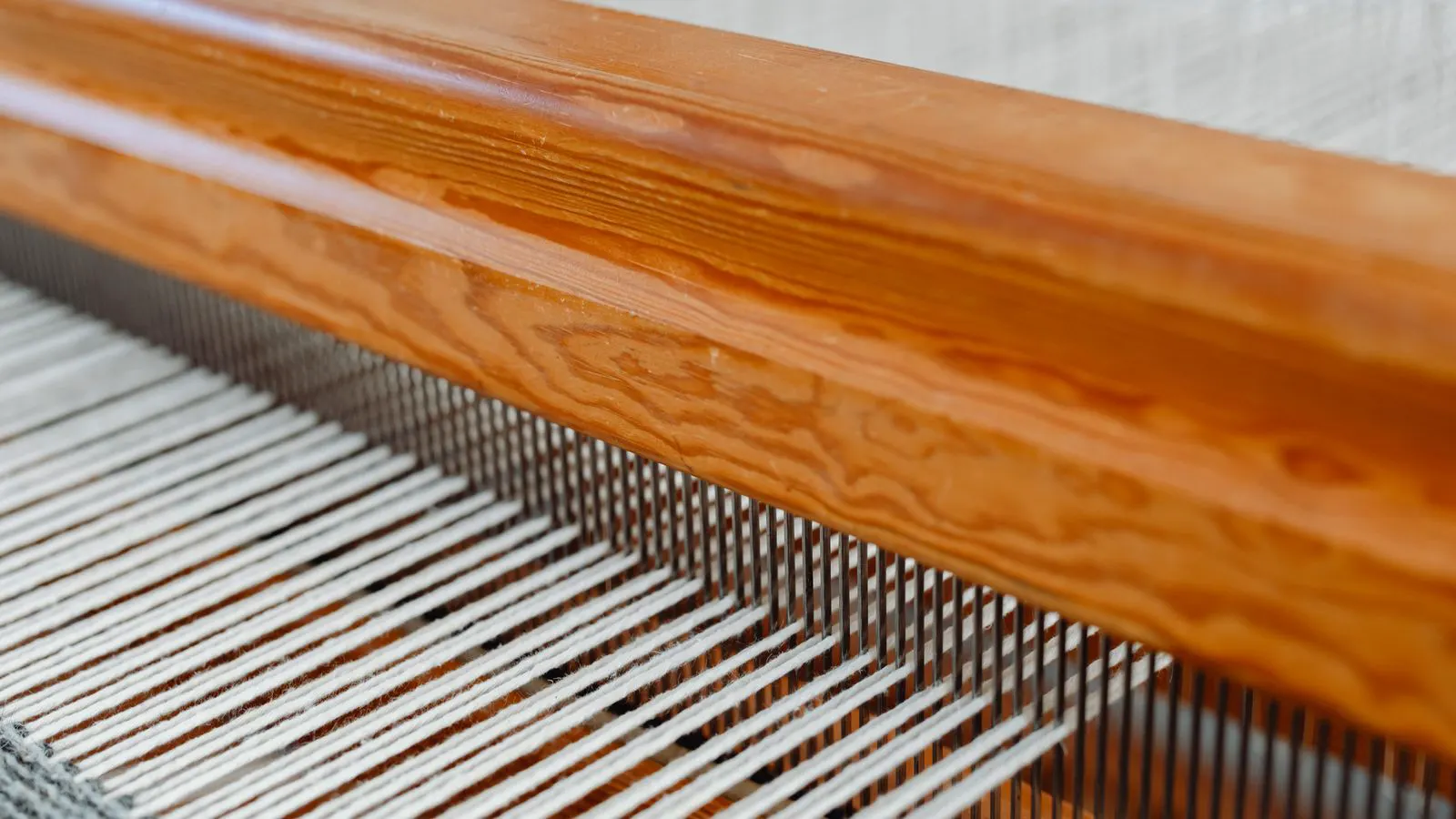
Woven fabrics take longer. Looms are delicate. Changing threads or patterns stops production. A single defect can halt a roll. Quality checks are more intensive because woven fabric must pass dimensional stability tests.
Sourcing location adds another layer. Sourcing from a nearby region reduces transit time. Sourcing from a distant region adds shipping days. But it often lowers the base price.
The key is to separate production time from shipping time. Many buyers assume a long lead time means slow production. Often, the production is done. The fabric is just waiting in a port.
How to write a clear RFQ
A vague request gets a vague answer. If you ask for “a good quality knit fabric,” you will get a quote based on a generic product. You will not know if that product meets your uniform specs.
Start with the fiber content. Specify the exact blend. A 50/50 cotton/polyester knit behaves differently than a 60/40 blend. The cost difference can be significant.
Next, define the weight. Grams per square meter is the standard. A 180 GSM knit is not the same as a 220 GSM knit. The weight affects drape, durability, and cost.
Finally, specify the construction. A single jersey knit is cheaper than a rib knit. A plain weave is cheaper than a twill. The structure determines the machine time.
Include your minimum order quantity. Fabric mills price based on volume. A small order costs more per meter than a large order.
How to compare quotes fairly
Mills quote differently. Some include finishing. Some include inspection. Some include packaging. If you compare a $2.50 per meter quote against a $3.20 per meter quote, you may miss the fact that the first quote does not include shrinkage allowance.
Ask for the full cost breakdown. What is the yarn cost? What is the machine time? What is the finishing? What is the inspection?
Check the shrinkage rate. Knit fabrics shrink. Wovens shrink less. If a knit fabric shrinks 5 percent, you need to order extra material or adjust your pattern. That extra cost is not always in the fabric price.
Look at the defect rate. A cheaper fabric with a 2 percent defect rate costs more than a slightly more expensive fabric with a 0.5 percent defect rate. The mill should provide defect data. If they cannot, that is a red flag.
Cost drivers table
| Cost Driver | Knit Fabric | Woven Fabric |
|---|---|---|
| Yarn Cost | Lower due to simpler structure | Higher due to complex yarn |
| Machine Time | Faster, continuous production | Slower, intermittent stops |
| Finish | Basic washing, minimal finishing | Complex finishing, heat setting |
| Shrinkage | Higher, requires extra material | Lower, better stability |
| Defect Rate | Moderate, pilling risk | Low, dimensional risk |
| Minimum Order | Lower, flexible batches | Higher, fixed production runs |
What about bulk uniforms specifically?
Uniforms have different needs than fashion. They must withstand washing. They must hold their shape. They must look consistent across thousands of pieces.
Knit fabrics are popular for casual uniforms. They are soft, comfortable, and cheaper. But they pill. They stretch. They shrink. If your uniform is washed in a commercial machine, the cost of shrinkage can eat into your savings.
Woven fabrics are better for structured uniforms. They hold their shape. They resist pilling. They look professional. But they cost more. The price difference is justified if the uniform needs to last five years instead of two.
The total cost of ownership is the real number. It is not the fabric price. It is the fabric price plus the cost of shrinkage, pilling, and replacement.
How to reduce cost and lead time
You cannot control the mill. You can control your request.
Order in smaller batches. This increases the unit cost. But it reduces the risk of a bad batch. You can order three batches over three months. You get better lead time. You get better cash flow.
Specify the finishing upfront. If you need the fabric to be pre-shrunk, say so. If you need it to be dyed, say so. Do not leave finishing to the mill. They will charge you for it later.
Source locally if possible. The price difference may be small. The lead time difference is large. You can inspect the fabric in person. You can make changes quickly.
Keep a list of approved mills. Do not switch suppliers every season. The relationship reduces cost. The relationship reduces lead time. The relationship ensures consistency.
Final thoughts
Knit fabrics offer lower upfront costs. Woven fabrics offer better stability. The right choice depends on your uniform. A casual polo shirt works well in a knit. A structured shirt works better in a woven.
Do not let the price per meter decide the project. Look at the total cost. Look at the lead time. Look at the quality. A cheap fabric that fails in the wash is not cheap. It is a liability.
Write a clear RFQ. Ask for the full cost breakdown. Check the shrinkage. Compare the defect rates. Make the decision based on data, not assumptions.
Frequently asked questions
Are knit fabrics always cheaper than wovens?
Not always. A high-end merino knit costs more than a basic polyester woven. The fiber and construction matter more than the knit or woven structure.
How much longer does woven fabric take to produce?
Woven fabrics typically take longer due to loom complexity and finishing. The exact difference depends on the fabric type and sourcing location.
What is the biggest hidden cost in knit uniforms?
Shrinkage. Knit fabrics shrink more than wovens. If you do not order extra material, your uniforms will be too small after washing.
Can I switch from knit to woven without changing the pattern?
Usually not. Knit and woven fabrics drape differently. The pattern needs adjustment for each fabric type to ensure a proper fit.
How do I verify the quality of a fabric sample?
Wash the sample in the same conditions as your uniform will be washed. Check for shrinkage, pilling, and colorfastness. Do not rely on the mill's claim.