Buyer's Guide: Sourcing Knit vs Woven for Uniforms
Choose between woven fabric and knit fabric based on the workwear function, wash cycle, and fit requirements. Evaluate suppliers on construction, shrinkage control, and sample consistency to reduce rework and cost.
- Use woven fabric for high abrasion areas and structured fits, and knit fabric for stretch and comfort.
- Request test swatches and wash samples before placing a bulk order.
- Check supplier documentation for construction, composition, and shrinkage limits.
- Match fabric type to the specific uniform role rather than using one material for the entire program.
- Track lead time and minimum order quantities during supplier selection.
What drives the choice between knit and woven for uniforms
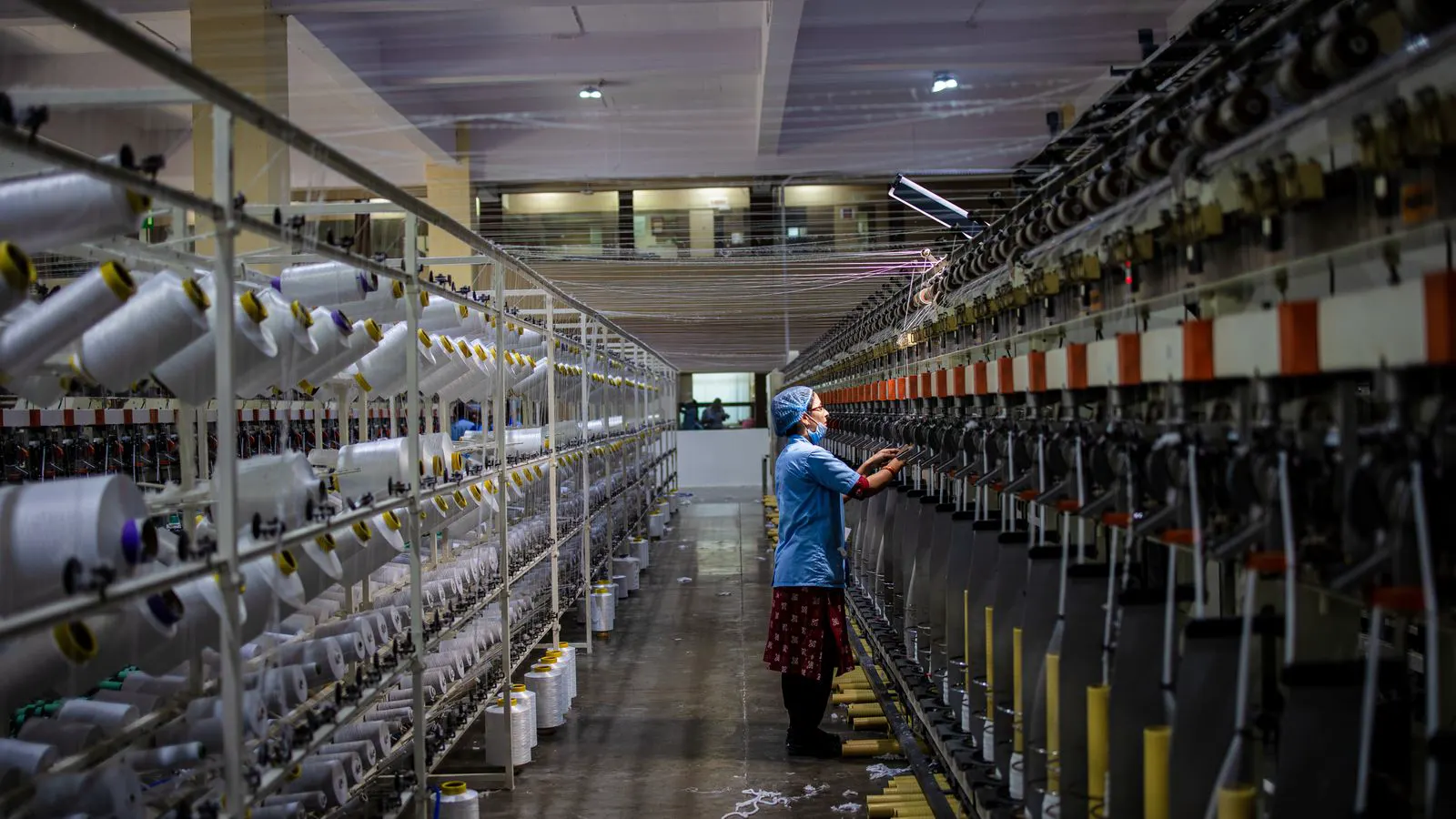
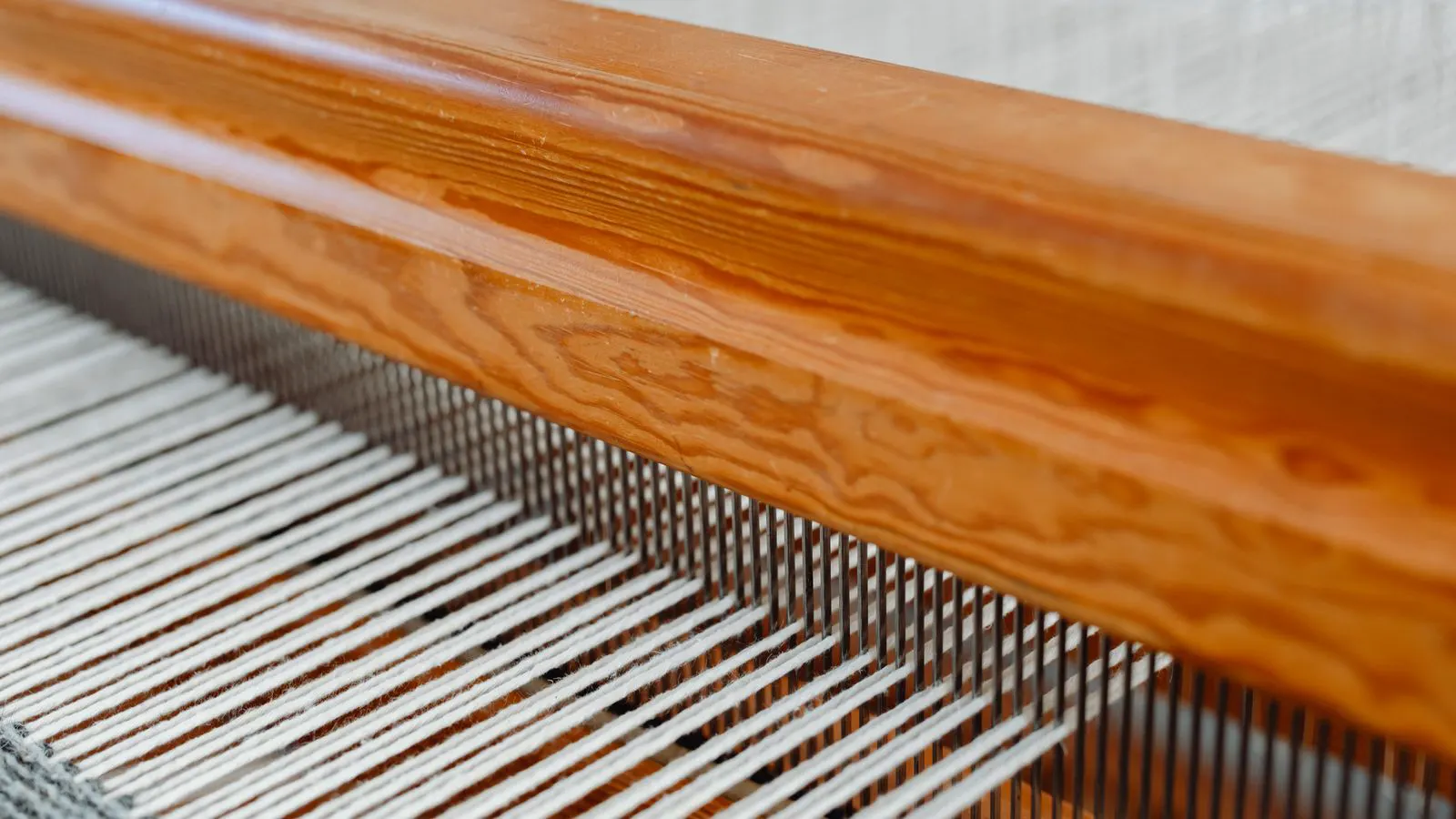
Uniform programs fail when the fabric selection does not match the job. A driver who sits for eight hours needs a different hand feel than a line worker who kneels on a concrete floor. The core decision rests on construction. Woven fabric is made from interlaced warp and weft yarns that create a stable, often stiffer cloth. Knit fabric is made from loops of yarn that create stretch and recovery.
The choice affects cost, lead time, maintenance, and how the garment fits after repeated washing. A single uniform program may need both. A shirt or jacket might use woven fabric for body panels, while sleeves or waistbands might use knit fabric for ease of movement.
Buyers should not treat the choice as a binary. The goal is to match the textile to the function.
How to match fabric construction to the uniform function
Start with the work environment. If the garment faces abrasion against tools, seats, or machinery, woven fabric generally holds up better. The interlaced structure resists stretching out. It also drapes more predictably, which helps with consistent sizing across a large order.
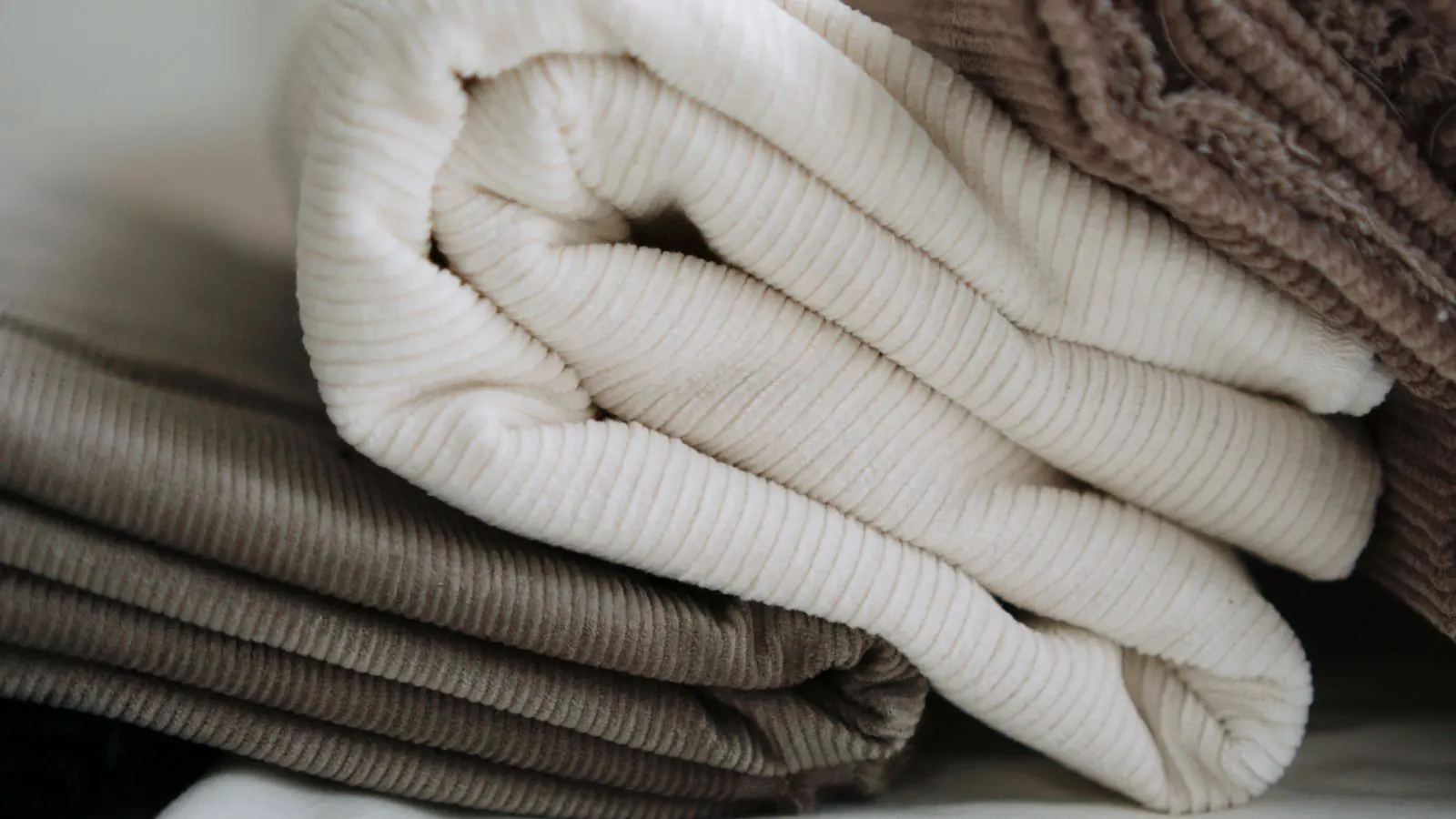
Knit fabric works where movement and comfort are the priority. It stretches with the body and recovers when pulled back. This makes it suitable for base layers, aprons with long sleeves, or garments worn during physical tasks. The trade-off is that knit fabric can thin in high-wear zones if the yarn count is low.
Consider the washing method. Industrial laundering uses heat, agitation, and harsh chemicals. Woven fabric shrinks in a more controlled way when the yarns are selected correctly. Knit fabric shrinks more unpredictably because the loop structure can tighten unevenly. If the uniform must pass a specific shrinkage test, ask the supplier for a measured result, not a general claim.
Fit matters too. Woven fabric tends to hold a set shape. This helps with structured collars and fitted jackets. Knit fabric moves with the wearer, which reduces pulling at the shoulders and arms. For a program that spans multiple body types, knit fabric may reduce the need for multiple size runs, but it can also make the garment look less crisp.
Supplier evaluation criteria for uniform fabric
The supplier selection process should focus on measurable quality, not just price. A low unit price can become expensive if the fabric fails during washing or if the lot varies in color.
| Criterion | What to look for | Why it matters |
|---|---|---|
| Construction documentation | Warp and weft density for woven fabric; stitch count or loop structure for knit fabric | Confirms the cloth matches the technical spec and helps predict durability |
| Shrinkage test results | Measured shrinkage after washing at the specified temperature and cycle | Prevents sizing issues and rejects after bulk production |
| Colorfastness data | Rub and wash results for the specific dye lots | Avoids bleeding or fading in industrial laundering |
| Sample consistency | Multiple swatches from the same lot, plus a comparison swatch from a new lot | Reduces risk of color or weight variation across orders |
| Lead time and MOQ | Production schedule and minimum order quantity | Aligns supply with uniform replacement cycles and inventory needs |
For woven fabric, ask for a sample card that shows the face and back of the cloth. The back often reveals the yarn twist and any surface irregularities. For knit fabric, check the face and back for consistent loop formation. Uneven loops can cause pilling or thin spots.
The supplier should be able to explain the difference between a standard woven shirt cloth and a stretch woven blend. Some woven fabrics include elastic yarns in the weft to add stretch while keeping structure. This is a useful middle ground for uniforms that need both shape and ease.
How to test fabric before bulk orders
Never place a bulk order without a physical test. Request a small sample package that includes at least three fabric types if you are comparing options. The sample package should include the exact color and weight, not a close approximation.
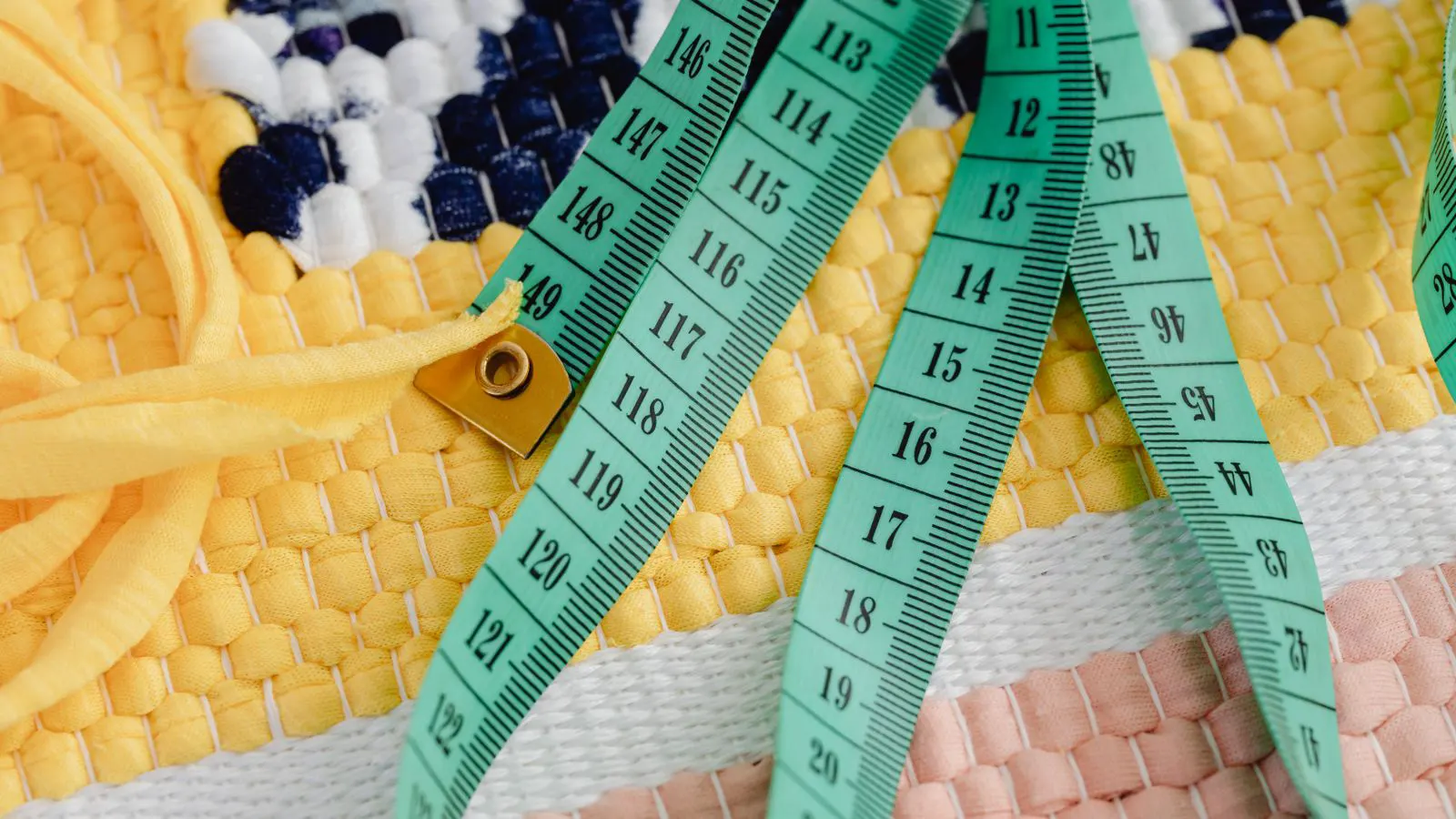
Perform a wash test. Use the same water temperature, detergent, and cycle that the laundry will use. After washing, measure shrinkage. Record the length and width of a marked area before and after the wash. A small difference in one direction can be acceptable. A large difference in the other direction will distort the garment.
Check durability. Rub the fabric against a rough surface, such as a sandpaper block or a worn work glove. For knit fabric, pull the fabric in different directions to test stretch recovery. For woven fabric, fold the sample in one direction and check for cracking along the fold line.
Inspect the color. Hold the sample up to daylight and under artificial light. Look for streaks or uneven dye. If the uniform will be worn in a setting where color consistency matters, compare the sample to the final garment after washing.
Document every test. Keep the sample swatches, test notes, and photos. When a problem appears in production, these records help you identify whether the fabric, the garment construction, or the washing process caused the issue.
Cost and lead time considerations
Cost includes more than the fabric price per meter or per yard. It includes the cost of rejects, the cost of rework, and the cost of replacing a damaged uniform. A slightly more expensive fabric that washes well and resists abrasion can save money over time.
Lead time is a common constraint. Woven fabric often has longer production times because it requires warping, weaving, and finishing. Knit fabric can be produced more quickly, but the finishing process can still add weeks. If the uniform is for a seasonal program, build buffer time into the schedule.
Minimum order quantities affect cash flow. A supplier may require a large order for a specific color or construction. If you need small runs, look for suppliers who can source from existing inventory or who have flexible production slots.
Negotiate clear terms. Define what happens if the fabric fails a test. Define the replacement process. Define the shipping schedule. A clear contract reduces disputes and delays.
Practical sourcing checklist
Use this checklist when evaluating a fabric supplier for a uniform program.
- Confirm the fabric construction matches the garment function.
- Request sample swatches from the exact lot that will be used for production.
- Perform wash, rub, and stretch tests under the same conditions as the laundry.
- Check the supplier’s documentation for composition, weight, and construction details.
- Verify the shrinkage results against your acceptance limits.
- Confirm the lead time and minimum order quantity.
- Agree on the rejection and replacement terms in writing.
- Keep a reference sample from each approved lot.
Decision checklist
- Does the fabric match the abrasion and movement requirements of the work?
- Have you tested the fabric under industrial washing conditions?
- Is the shrinkage within your sizing limits?
- Does the color remain consistent after washing?
- Can the supplier provide the required documentation and lead time?
- Have you agreed on rejection and replacement terms?
- Do you have a reference sample from the approved lot?
If the answer to any of these questions is no, do not place the bulk order. Solve the issue first. The cost of a small correction now is lower than the cost of a large failure later.
Frequently asked questions
Can I use woven fabric for a uniform that needs stretch?
Some woven fabrics include elastic yarns to add stretch. Standard woven fabric without stretch may feel restrictive during physical movement.
How do I know if knit fabric will pill in the uniform?
Request a sample and rub it under tension. Look for surface fuzz or uneven loops. Ask the supplier for pilling test results if available.
What is the best fabric for a uniform that is laundered daily?
There is no single best fabric. Choose based on the wash cycle, the work environment, and the garment function. Test both options under the same conditions.
Should I order more of one fabric type to reduce complexity?
Simplifying the fabric list can reduce cost and lead time. However, using one fabric for every garment may hurt comfort or durability. Match the fabric to the function.
How much should I order for a new uniform program?
Start with a small pilot order. Test the fabric in the real work environment before scaling up. Adjust the quantity based on the wash and wear results.