Comparison: Knit vs Woven for High-End Workwear
Knit fabrics offer better stretch and recovery for active workwear, while woven fabrics provide structure and abrasion resistance. The right choice depends on the job's physical demands and required silhouette.
- Knit fabrics stretch with the body and recover shape, making them ideal for uniform pieces that move constantly.
- Woven fabrics offer a stable structure and higher abrasion resistance, suited for heavy-duty or formal work environments.
- Durability depends on fiber content and construction, not just whether the base is knit or woven.
- Fit consistency across size runs requires understanding how each construction behaves after washing and heat exposure.
- Blend strategies can combine the stretch of knits with the surface durability of wovens for specific workwear needs.
Why Construction Changes How Workwear Performs
Uniform wearers do not stand still. They reach, bend, lift, and sit for long shifts. The base construction of a fabric determines how the garment moves with those actions. Knit and woven fabrics handle this movement in fundamentally different ways because of how their yarns are arranged.
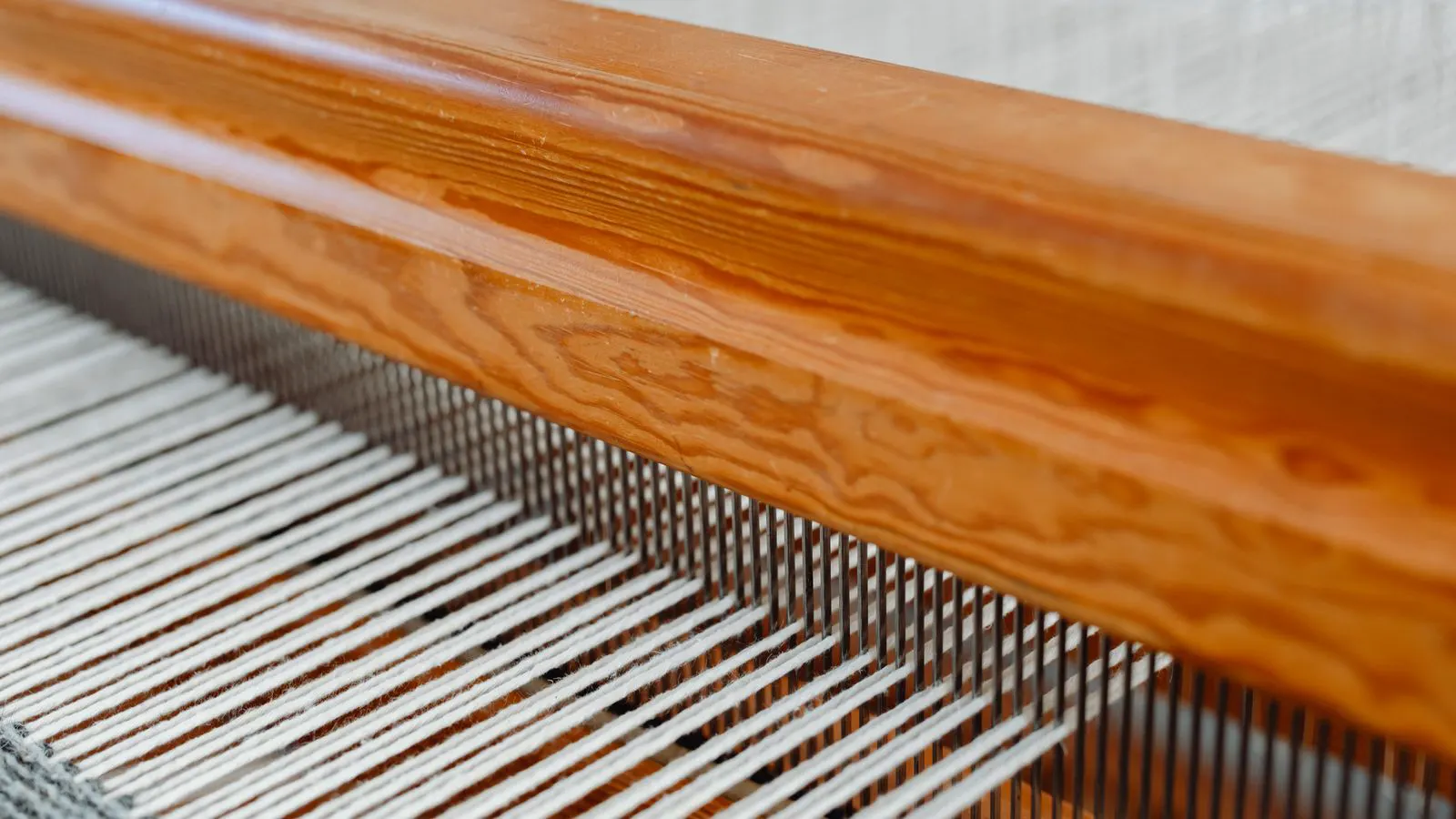
A knit fabric is made from interlocking loops of yarn. Each loop connects to the next, creating a fabric that bends and stretches in multiple directions. A woven fabric is made from intersecting warp and weft yarns. The structure holds a fixed shape and resists stretching, but it allows the fabric to behave predictably under tension.
For high-end workwear, this difference shapes the entire product. A knit shirt may maintain its fit after a full day of manual labor. A woven jacket may hold a sharp shoulder line but require more careful sizing to avoid pulling. The choice is not about which construction is superior. It is about matching the fabric behavior to the job, the wearer, and the expected maintenance.
How Stretch and Recovery Affect Fit
Fit is the first point of failure in most workwear complaints. A garment that is too tight at the start of a shift becomes unbearable by hour three. A garment that is too loose loses its professional appearance and can catch on equipment.
Knit fabrics handle movement naturally. The loop structure allows the fabric to expand when the wearer reaches overhead and contract when the arms return. This is the same principle behind athletic wear, but in workwear it must be managed differently. A uniform cannot look like a t-shirt.
The key property here is recovery. A good knit fabric returns to its original dimensions after being stretched. Cheap or poorly constructed knits hold their stretched shape, causing the garment to bag out after a few washes. High-end workwear knits use tight loop formations and stable fibers to maintain shape.
Woven fabrics do not stretch. The fixed intersection of warp and weft yarns means the fabric size is determined by the loom settings. If the woven fabric is too small, the wearer feels restriction immediately. If it is too large, the silhouette falls flat.
Woven workwear requires precise pattern grading. The design must account for the wearer’s range of motion because the fabric will not give. A woven blazer or work jacket must have enough ease in the shoulder and sleeve to allow lifting without pulling the seams.
Durability and Abrasion Resistance
Durability in workwear is not just about thickness. It is about how the surface handles friction. A foreman rubbing an elbow against a tool, a mechanic pulling a sleeve over rough surfaces, or a warehouse worker leaning on a cart all create abrasion points.
Woven fabrics generally offer better abrasion resistance at the surface. The dense, flat structure of a twill or plain weave creates a stable surface that resists pilling and maintains its appearance over time. The interlaced yarns are anchored in place, so they do not easily pull out or form loops.
Knit fabrics are more vulnerable at the surface. The loop structure means the outermost fibers are exposed and can catch on rough materials. This leads to pilling and thinning, especially at high-friction areas like elbows, knees, and cuffs.
However, a thick, dense knit can be surprisingly durable. A heavy loop structure or a tight single jersey with a high fiber count can withstand significant wear. The difference is in how it wears out. A worn knit may look worn but still hold together. A worn woven fabric may look sharp but can tear at the seams if the structure is compromised.
For high-end workwear, the abrasion test is not just a lab check. It is a design question. Where will the wearer rub? If the abrasion points are on the shoulders and elbows, a woven construction with reinforced panels is often more reliable. If the abrasion points are on the sides and underarms, a knit with good recovery may last longer without creating stress points that tear the garment.
Fiber Content and Construction Quality
The label says knit or woven, but the fiber content determines the actual performance. A 100 percent cotton knit feels soft but may shrink and wrinkle. A 100 percent cotton woven twill is stable but can be stiff.
Most high-end workwear uses blends. A cotton and polyester knit offers the hand feel of cotton with the shape retention of polyester. A cotton and nylon woven fabric adds strength to the surface without sacrificing too much comfort.
The construction method matters as much as the fiber. A single jersey knit is lighter and more flexible than a double knit. A twill weave is more durable than a plain weave but less stretchy than a jersey. The interplay between fiber and construction creates the final behavior.
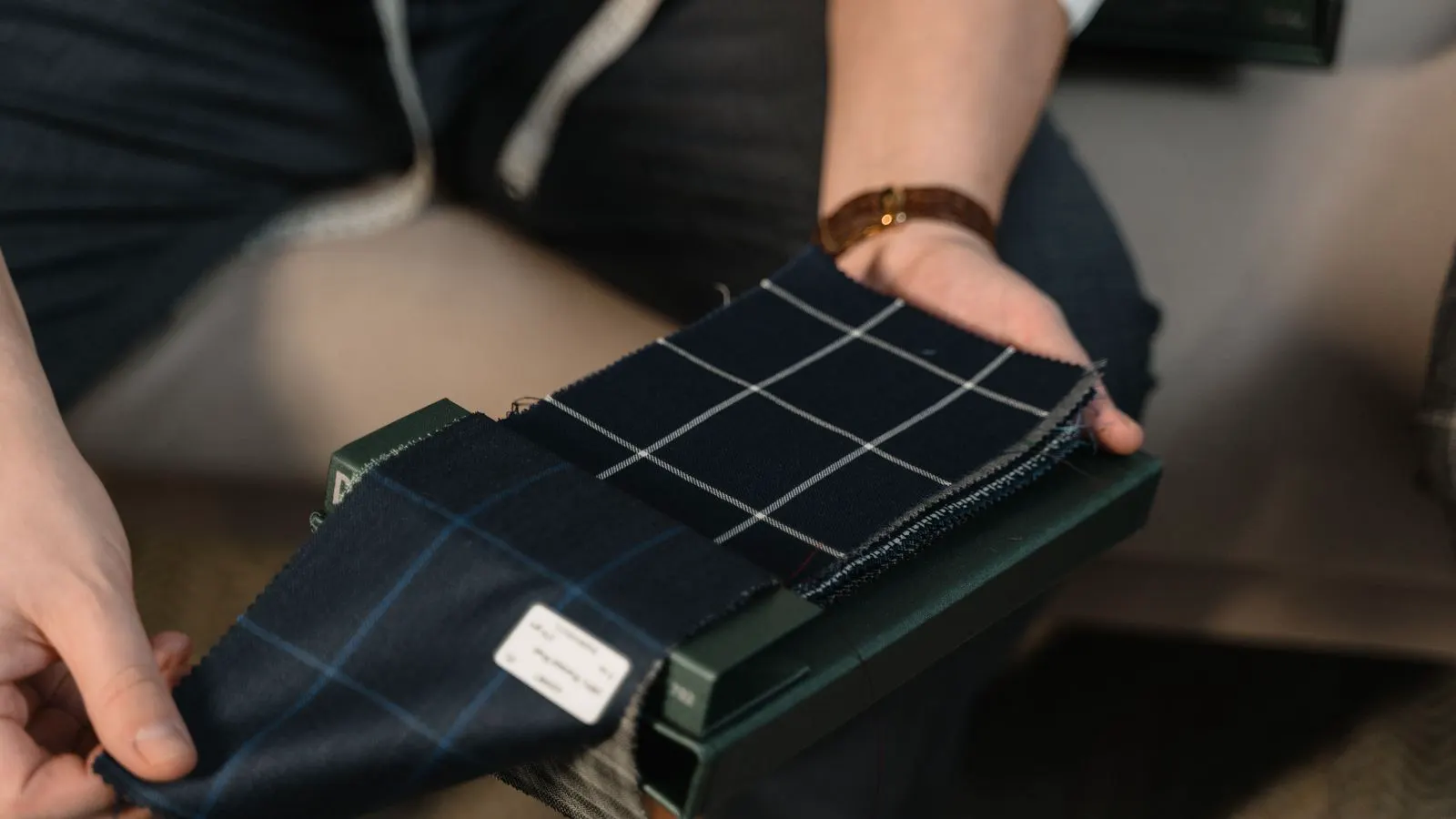
When evaluating a fabric, check the stitch density for knits. A tighter loop structure resists pilling and maintains shape. For wovens, check the yarn count and the weave type. A higher yarn count creates a smoother surface but can make the fabric stiffer. The goal is to find the balance where the fabric is strong enough for the job but soft enough for the wearer.
Cost and Lead Time Considerations
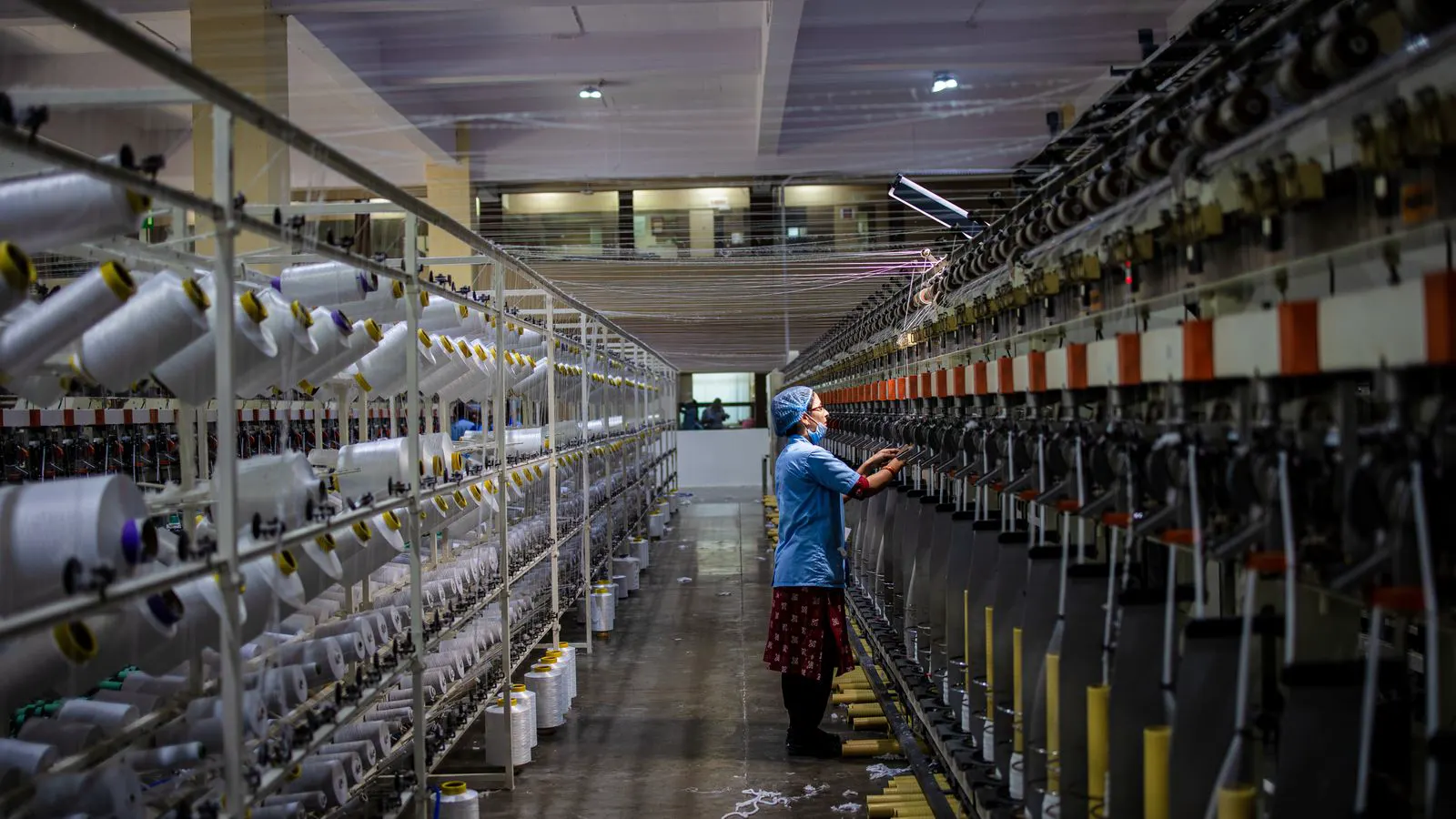
The choice between knit and woven also affects sourcing. Knit fabrics are produced on circular knitting machines, which can run continuously and produce large volumes quickly. Woven fabrics are produced on looms, which are slower and require more setup time for different widths and patterns.
This means knit fabrics often have shorter lead times for standard colors and weights. Woven fabrics, especially those with complex patterns or specific yarns, may require longer lead times. For a uniform program that needs rapid restocking, knit fabrics can be easier to manage.
Cost depends on the specific yarns and the complexity of the construction. A basic cotton knit and a basic cotton twill may be close in price. A specialty knit with moisture wicking properties or a woven fabric with a flame retardant treatment will cost more.
The hidden cost is not just the fabric price. It is the cost of the garment failing. A knit shirt that loses its shape after five washes must be replaced more often. A woven jacket that tears at the shoulder seam requires repair or replacement. The total cost of ownership includes maintenance, replacements, and the downtime for the wearer.
When to Choose Knit for Workwear
Knit fabrics are the right choice when the wearer needs freedom of movement and the garment must maintain its fit throughout the day.
Choose knit for:
- Shirts and polos that are worn by people who stand, walk, and reach frequently.
- T-shirts and crew necks for casual work environments where comfort is the priority.
- Uniforms for service industries where the wearer is on their feet for long periods.
- Garments that need to be washed frequently and must come out looking new.
- Workwear for warm environments where breathability and moisture management are key.
The key is to select a knit with high recovery and a tight construction. Avoid open loop knits for high-abrasion environments. Look for fabrics that have been tested for dimensional stability after multiple wash cycles. The fabric should hold its shape without being stiff.
When to Choose Woven for Workwear
Woven fabrics are the right choice when the wearer needs structure, a formal appearance, or protection from heavy abrasion.
Choose woven for:
- Jackets and blazers for professional environments where the silhouette must remain sharp.
- Work pants and trousers for trades where the fabric must withstand sitting, kneeling, and rubbing.
- Outerwear for cold environments where the fabric needs to hold its shape and block wind.
- Uniforms for security or law enforcement where a formal appearance is required.
- Garments that will be dry cleaned frequently and must maintain their structure.
The key is to select a woven fabric with enough ease in the pattern. The fabric itself will not stretch, so the design must allow for movement. Look for fabrics with a slight natural give, such as a twill with a small amount of elastane, if the wearer needs more flexibility without sacrificing the woven look.
Practical Comparison for High-End Workwear
The following table summarizes the main differences for professional buyers and engineers evaluating fabric options.
| Option | Best for | Limitations |
|---|---|---|
| Single Knit Jersey | Casual workwear, service uniforms, active wear | Prone to pilling, less abrasion resistance, may bag out if low quality |
| Double Knit | Heavy workwear, durable casual wear, outer layers | Heavier, less breathable, higher cost, may feel stiff |
| Woven Twill | Work pants, jackets, formal uniforms | No stretch, can feel stiff, requires precise pattern grading |
| Woven Plain Weave | Light workwear, linings, formal shirts | Less durable than twill, can wrinkle, low abrasion resistance |
| Woven with Elastane | Workwear needing structure and some stretch | Can lose elastic properties over time, may feel less natural |
The choice is not absolute. Many high-end workwear brands use a combination. A woven jacket body with knit lining panels. A knit shirt with woven collar and cuffs. A work pant with a woven outer shell and knit stretch panels at the knees and back of the leg.
Final Selection Criteria
When evaluating a fabric for high-end workwear, look beyond the basic knit or woven label. Check the fiber blend for the specific performance needs. Check the construction for durability and recovery. Check the dimensional stability after washing.
The wearer will tell you if the fabric works. If they are pulling at the seams, the fabric is too small or too stiff. If the garment is bagging out, the recovery is poor. If the fabric is pilling at the elbows, the surface is too vulnerable.
The goal is a uniform that looks professional at the start of the shift and still looks professional at the end. It should protect the wearer, allow movement, and withstand the cleaning cycle. Knit and woven fabrics both achieve this, but they do it in different ways. The best choice is the one that matches the job, the wearer, and the maintenance plan.
Frequently asked questions
Can knit fabrics be used for heavy-duty workwear?
Yes, but only if the knit construction is dense and the fiber content is strong. Heavy double knits or high-count single knits can handle abrasion, but they may not be as durable as a woven twill for extreme conditions.
Does woven fabric stretch?
Not significantly. Woven fabrics are made from interlaced yarns that hold a fixed shape. Some wovens include a small amount of elastane to add a small amount of stretch, but the base structure remains rigid.
Which fabric is easier to maintain?
Knit fabrics are generally easier to maintain because they are more forgiving with fit and movement. Woven fabrics may require more careful pressing and may be more prone to wrinkles or creases.
How do I know if a knit fabric will lose its shape?
Check the recovery rate and the stitch density. A high-quality workwear knit should return to its original dimensions after being stretched. Ask the supplier for test results on dimensional stability after multiple wash cycles.
Can I mix knit and woven in the same garment?
Yes, this is a common technique in high-end workwear. Woven panels can be used for high-abrasion areas, while knit panels can be used for areas that need stretch and recovery. The seam construction must be designed to handle the different behaviors of the two fabrics.