Explainer: How Warp and Weft Define Woven Fabric
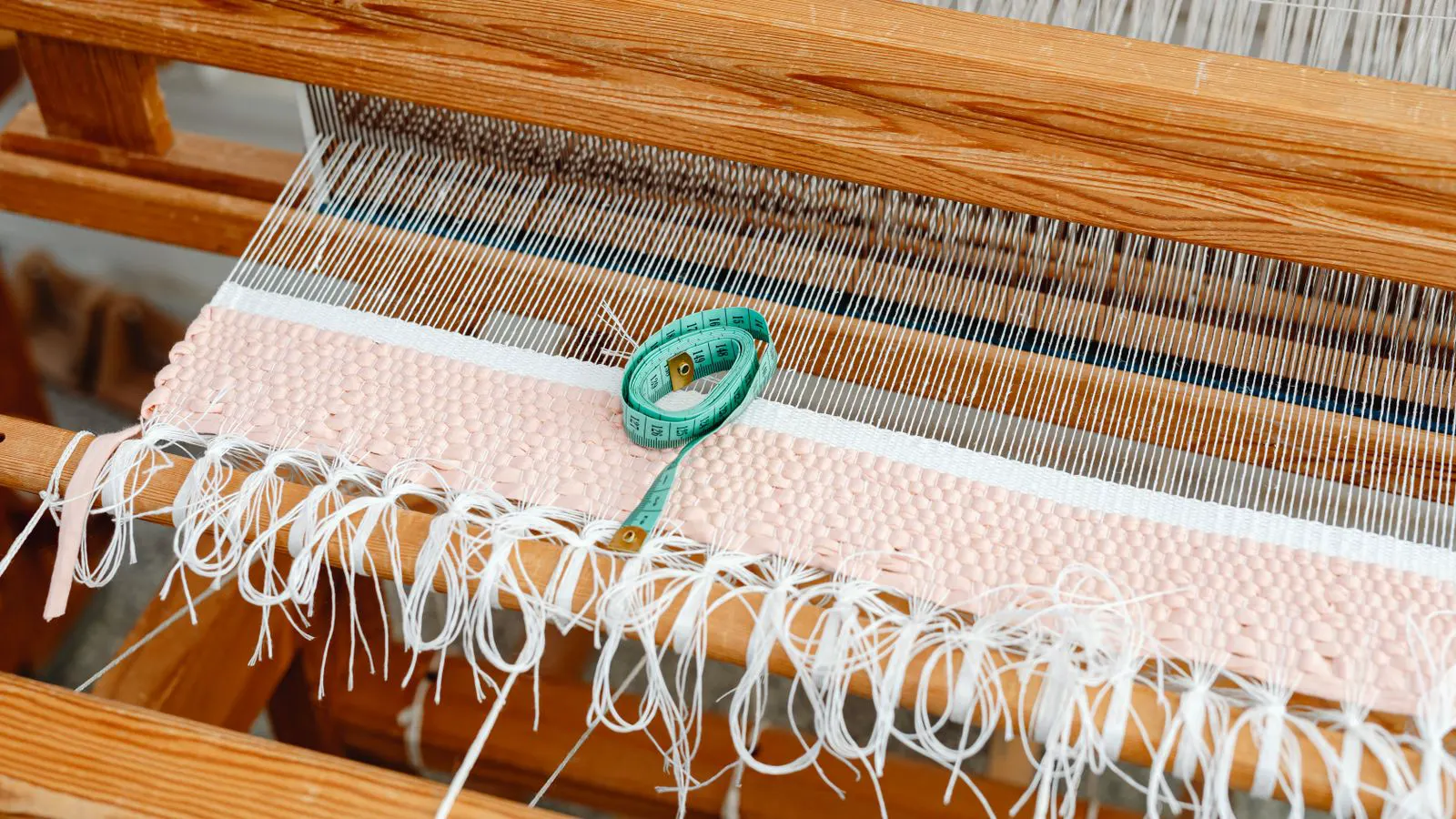
Woven fabric is built by crossing warp and weft yarns at right angles. This structure determines hand feel, stability, and durability. Knowing the construction helps buyers evaluate performance and cost before ordering.
- Warp yarns run lengthwise and set the main stability and drape of the cloth.
- Weft yarns run crosswise and control the surface texture, density, and color integration.
- Fabric construction choices directly affect shrinkage, wear resistance, and bulk order verification.
- Matching yarn count and interlacement to the intended use reduces quality disputes.
- A simple construction check before bulk orders prevents costly production errors.
Woven fabric is not just a sheet of textile. It is a precise grid of interlaced yarns. The two axes, warp and weft, decide how the cloth behaves on the body, in a machine, or under load.
What are warp and weft in a woven fabric?
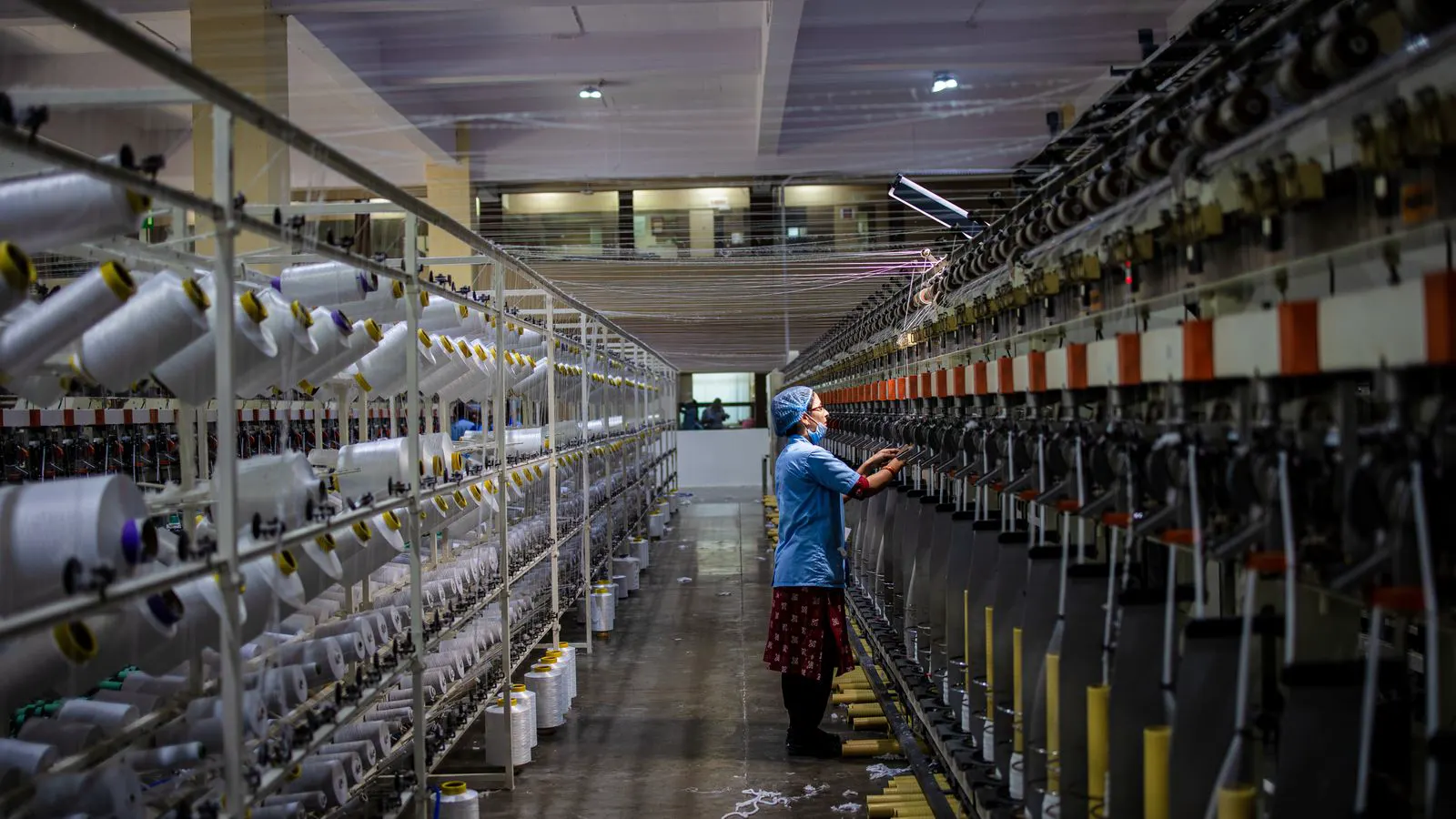
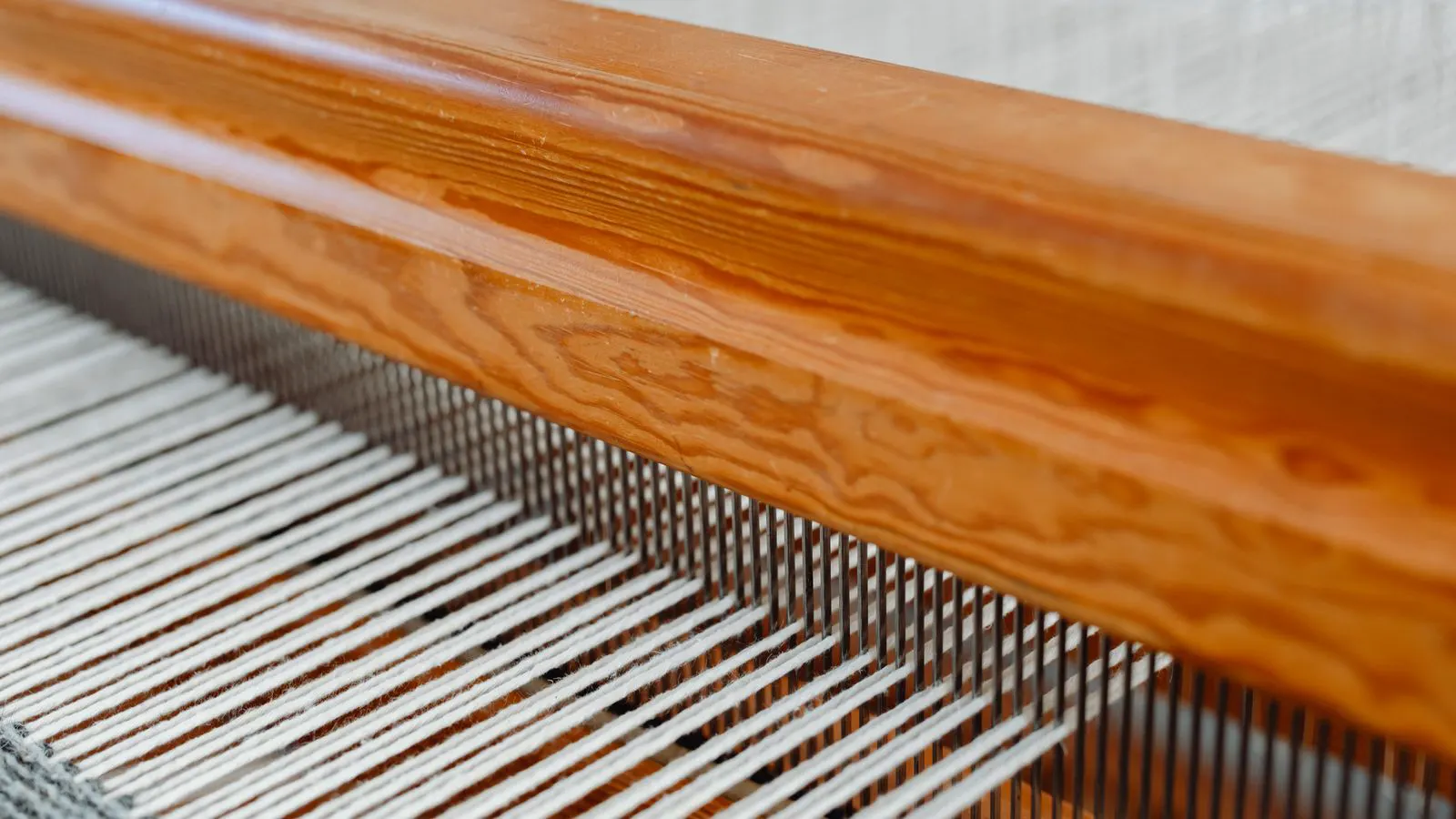
Warp yarns are the longitudinal threads that remain fixed on the loom. They run lengthwise, parallel to the direction of the fabric length. Weft yarns are the transverse threads that pass over and under the warp. They run crosswise, filling the spaces between the warp ends.
The intersection of these two sets of yarns creates the basic unit of woven fabric. Each intersection is a float or a crisscross, depending on the pattern. The number of warp threads per inch, often called the warp density, and the number of weft threads per inch, the weft density, define the cloth’s hand, weight, and openness.
In a plain weave, the most common structure, each weft thread passes over one warp thread and under the next. This creates a tight, stable fabric. A twill weave shifts the interlacement in a diagonal step, producing a softer hand and a distinct line. The construction type is a core variable in any sourcing conversation.
How construction affects fabric performance
The interlacement pattern is the first factor in performance. A plain weave, such as poplin or percale, holds a crisp hand and resists distortion. It is often used where shape retention matters, such as in workwear or technical shells. The tight interlacement limits the movement of yarns, which reduces pilling but can make the cloth feel stiffer.
A twill weave, like denim or gabardine, creates a diagonal texture. The longer floats in a twill give a softer drape and a more substantial feel. The diagonal structure can hide small flaws and wear better than a plain weave in some applications. However, the longer floats can be more vulnerable to snagging if the yarn is brittle.
The interlacement also affects how the fabric responds to washing and drying. A tighter interlacement generally shrinks less because the yarns are locked in place. A looser structure allows the yarns to move, which can increase shrinkage or cause the fabric to relax during wear. Engineers and buyers must look at the construction, not just the fiber content, when predicting dimensional stability.
Yarn selection and its role in the structure
The warp and weft are not just lines on a diagram. They are physical yarns with specific twist, count, and material properties. The warp yarns usually carry more twist than the weft yarns. This extra twist helps the warp resist breakage under the high tension of the loom. The weft yarns often have less twist, which helps the fabric feel softer and allows the weft to slide into the interlacement smoothly.
The fiber choice influences the structure’s behavior. Cotton warp and weft create a breathable, absorbent cloth. Polyester warp and weft add strength and low shrinkage. A blend, such as a cotton warp with a polyester weft, can combine the hand of cotton with the durability of polyester. The buyer must confirm that the yarns match the intended use. A heavy cotton warp with a fine polyester weft will behave very differently from a balanced blend.
Twist is another hidden variable. A tightly twisted yarn is strong but stiffer. A loosely twisted yarn is softer but more prone to fuzzing and breakage. The twist direction, often called S-twist or Z-twist, can also affect how the yarns interact during weaving. Mismatched twist between warp and weft can cause the fabric to twist or pucker during production.
How structure impacts sourcing and cost
Fabric construction drives cost in ways that are not always obvious on the face of a quote. A simple plain weave with standard yarns is generally less expensive to produce than a complex twill with specialty yarns. The loom setting, the number of threads, and the finishing requirements all affect the production time.
When sourcing woven fabric, the construction specification must be clear. A buyer should specify the weave type, the yarn count for both warp and weft, the yarn type, and the weight in grams per square meter. These details determine how the fabric will perform and how it will be priced. A vague request for a “lightweight twill” can lead to multiple interpretations, causing delays or disputes.
Lead time is also tied to construction. Complex interlacements require more careful loom setup and slower weaving speeds. If a project requires a specific twill pattern with colored wefts, the production window will be longer than for a plain weave. The checklist for verifying fabric construction before bulk orders should include a review of the weave structure, yarn twist, and finishing treatments.
A worked example: choosing a fabric for a workwear garment
Imagine a buyer sourcing a woven fabric for a pair of workwear trousers. The garment must withstand abrasion at the knee and seat, but it also needs to allow some movement. The buyer considers a medium-weight twill. The twill structure provides a diagonal hand that moves better than a plain weave. The warp is a polyester yarn, chosen for strength and low shrinkage. The weft is a cotton blend, chosen for comfort and breathability.
The buyer specifies a plain twill weave with a moderate yarn count. The polyester warp handles the tension and the abrasion. The cotton weft softens the hand and improves comfort against the skin. The construction is checked before bulk orders. The warp and weft counts are verified. The twist of each yarn is reviewed. The fabric is washed and tested for shrinkage. The result is a fabric that balances durability and comfort, without over-engineering the structure.
This example shows how the choice of warp and weft is not just a technical detail. It is a design decision. The fabric must fit the garment’s function, the wearer’s comfort, and the production constraints. A misaligned construction can lead to a product that fails in the field, even if the material looks good in the sample.
How to verify construction before bulk orders
Before placing a bulk order, a buyer should confirm the construction in writing. The specification sheet should list the weave type, the yarns, the counts, and the weight. A physical sample should be inspected for hand feel, density, and drape. The sample should be washed and dried to check for shrinkage and color fastness.
A simple check is to look at the fabric’s reverse side. In a plain weave, the surface and back look similar. In a twill, the back may show the diagonal line in a different direction. In a satin weave, the back can look very different from the front. Understanding these visual cues helps identify if the fabric matches the intended structure.
The buyer should also ask the mill about the loom type and the finishing process. The loom type affects the maximum weave density and the quality of the interlacement. The finishing process, such as sanforizing or enzyme washing, can alter the final hand and shrinkage. These details are part of the total specification.
The construction is the skeleton of the woven fabric. Get it right, and the rest of the development process is straightforward. Get it wrong, and no amount of dyeing or printing will fix the fundamental flaw.
Common mistakes in specifying woven fabric
One common mistake is focusing only on fiber content. A buyer might request “80 percent cotton, 20 percent polyester” without specifying the weave. The same fiber blend can be a crisp plain weave or a soft twill. The structure changes the feel and the performance.
Another mistake is ignoring the yarn count. A high count means a finer, lighter fabric. A low count means a heavier, more durable fabric. The buyer must match the count to the intended use. A low count twill might be too heavy for a summer shirt, while a high count plain weave might be too delicate for heavy workwear.
A third mistake is not checking the twist. If the twist is too low, the yarn may break during weaving. If it is too high, the fabric may feel harsh. The twist is a subtle factor, but it affects both production success and final hand.
These mistakes are avoidable with a clear specification and a thorough sample review. The goal is to align the construction with the function. When the warp and weft are chosen correctly, the fabric becomes a reliable component of the product.
Frequently asked questions
What is the main difference between warp and weft?
Warp yarns run lengthwise and stay fixed on the loom. Weft yarns run crosswise and pass through the warp to form the fabric.
How does the weave type affect fabric shrinkage?
Tighter interlacements generally hold the yarns in place better, which often reduces shrinkage. Looser structures allow more movement, which can increase shrinkage.
Why is yarn twist important in woven fabric?
Twist affects strength, hand feel, and production stability. Too little twist can cause breakage, while too much twist can make the fabric stiff and harsh.
How should a buyer verify the construction before a bulk order?
Specify the weave, yarns, counts, and weight in writing. Inspect a sample for hand feel and density, and wash it to check for shrinkage and color fastness.
Can the same fiber blend be used in different woven structures?
Yes, the same blend can be woven as a plain, twill, or satin weave. The structure will change the hand, weight, and performance of the final fabric.