Warp vs Weft Knits: Structural Differences for Industrial Use
Warp knits offer high stretch and recovery in one direction, making them ideal for stretch fabrics. Weft knits provide balanced stretch and stability. Choose based on drape, tension, and end-use requirements.
- Warp knits stretch primarily along the warp direction and are used for high-recovery stretch fabrics.
- Weft knits stretch evenly in both directions and are better for balanced, stable constructions.
- Warp knits generally cost more due to machine complexity and longer production cycles.
- Weft knits are faster to produce and easier to source for most standard applications.
- Match the knit construction to the mechanical demands of the industrial application.
What defines a warp knit?
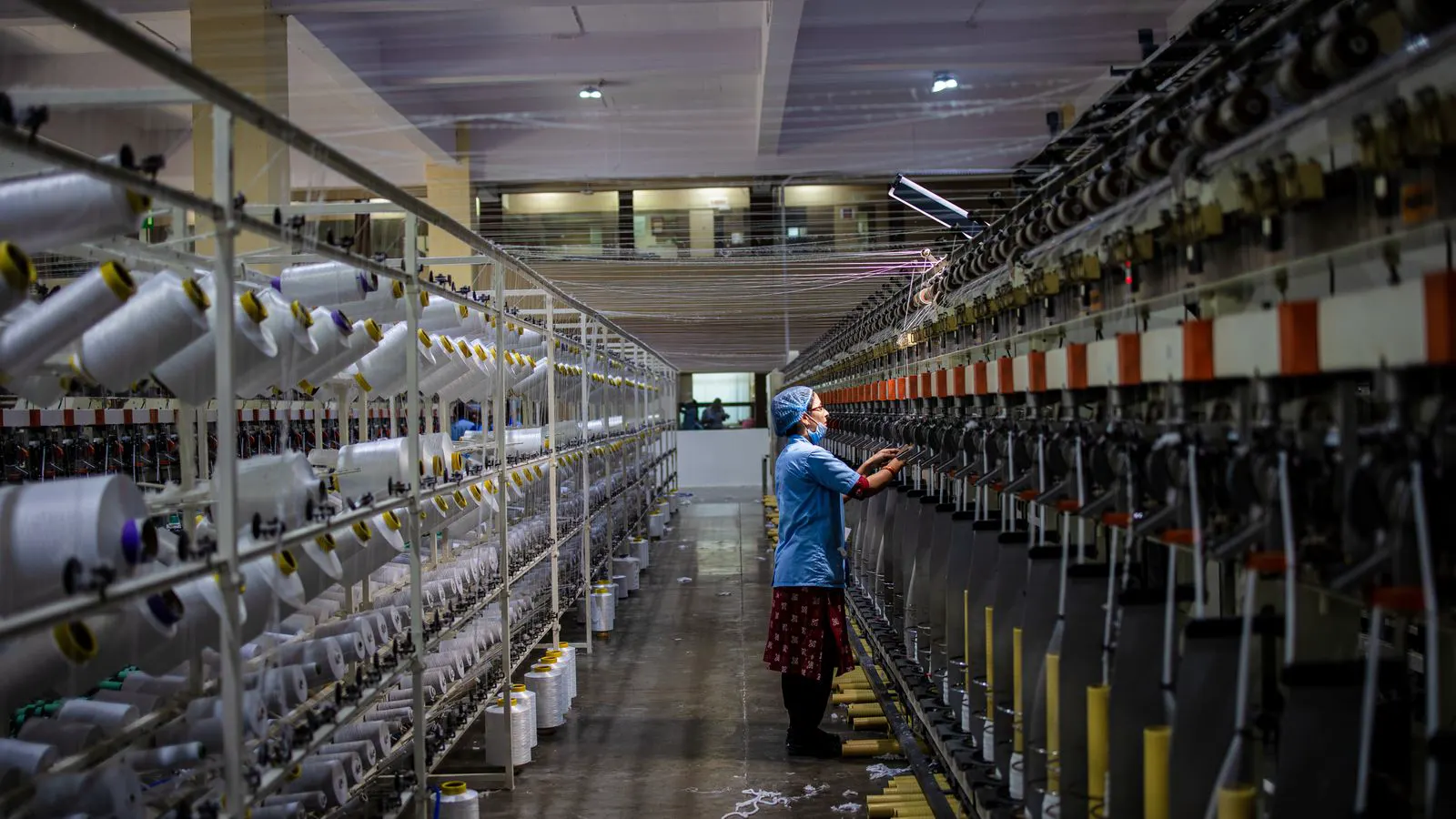
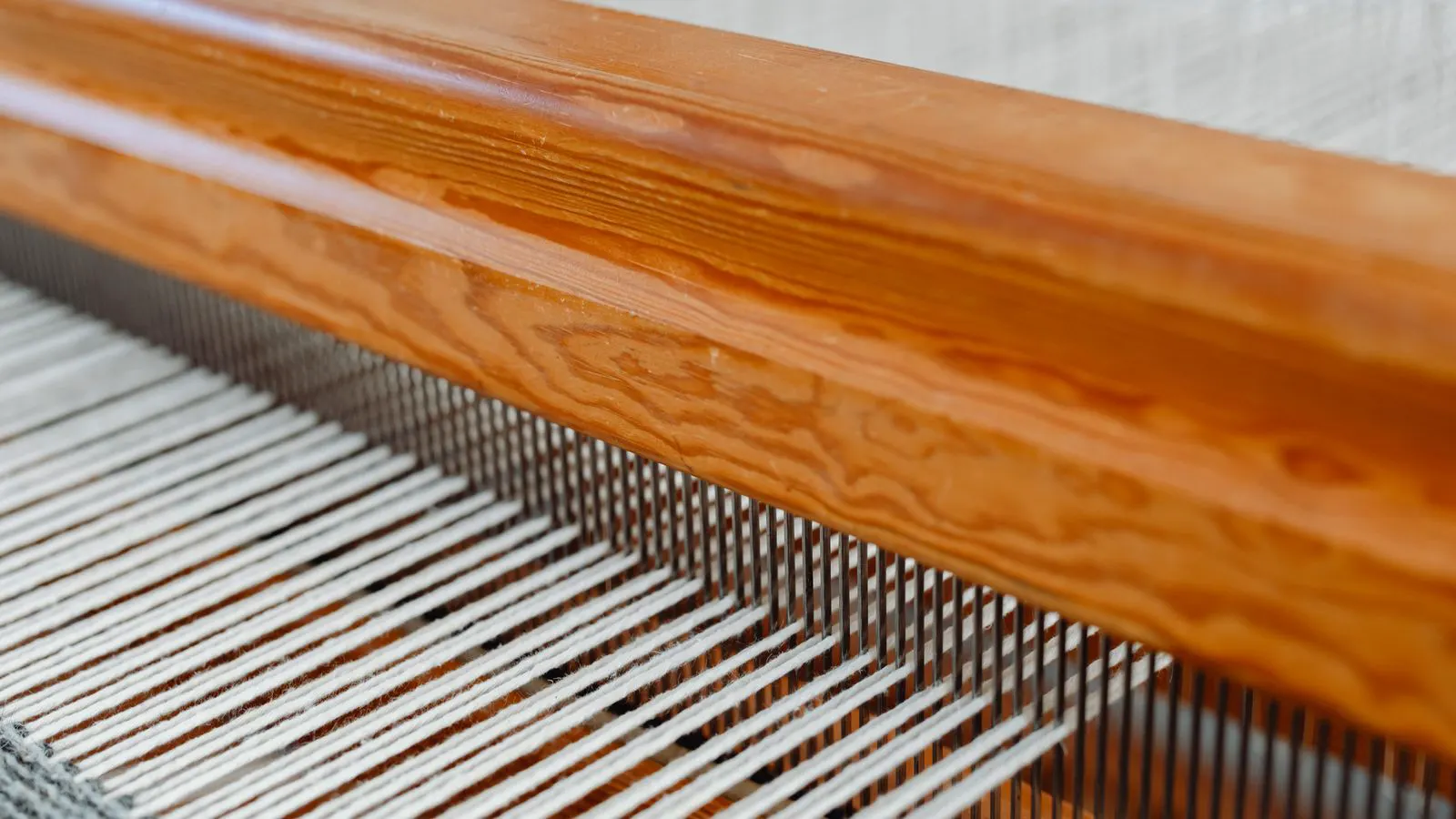
A warp knit is built from yarns that run vertically, or along the length of the fabric. The machine holds these warp yarns taut and interlocks them in a pattern. The result is a fabric that stretches strongly in one direction but resists stretching in the other. This directional behavior is the defining trait of warp knit construction.
Warp knits are often used where a fabric must stretch significantly in one axis and return to its original shape. The structure allows for a tighter, more controlled weave than a standard weft knit. This makes the fabric less prone to bagging or distortion under repeated tension.
The main trade-off is cost. Warp knitting requires precise tension control and more specialized equipment. Production runs take longer, and the machines are less common than weft knitting setups. For high-volume applications, the cost difference becomes significant.
What defines a weft knit?
A weft knit is built from yarns that run horizontally, or across the width of the fabric. The machine feeds yarns in a loop pattern, creating a fabric that stretches in both length and width. This balanced stretch makes weft knits the most common construction for general industrial use.
Weft knits are faster to produce because the machine can run at high speeds without the tension constraints of a warp knit. The construction is forgiving, and the fabric can be cut and sewn with less concern about directional distortion. This makes weft knits a default choice for most uniform and outerwear applications.
The limitation is stability. Weft knits stretch more than warp knits, which can cause the fabric to elongate over time if not treated properly. For applications that require dimensional stability, a weft knit may need a tighter structure or a specific yarn blend to hold its shape.
How do the two compare mechanically?
The mechanical difference between warp and weft knits comes down to directionality. Warp knits stretch in one direction and resist in the other. Weft knits stretch in both directions and resist in neither. This difference affects how the fabric behaves under load, during washing, and over the life of the product.
Warp knits have higher recovery. When the fabric is stretched along the warp direction, it snaps back to its original length with minimal permanent set. This makes them suitable for applications where the fabric must maintain its shape after repeated use. Weft knits have lower recovery and are more likely to elongate over time, especially if the yarn content includes a high percentage of stretch fibers.
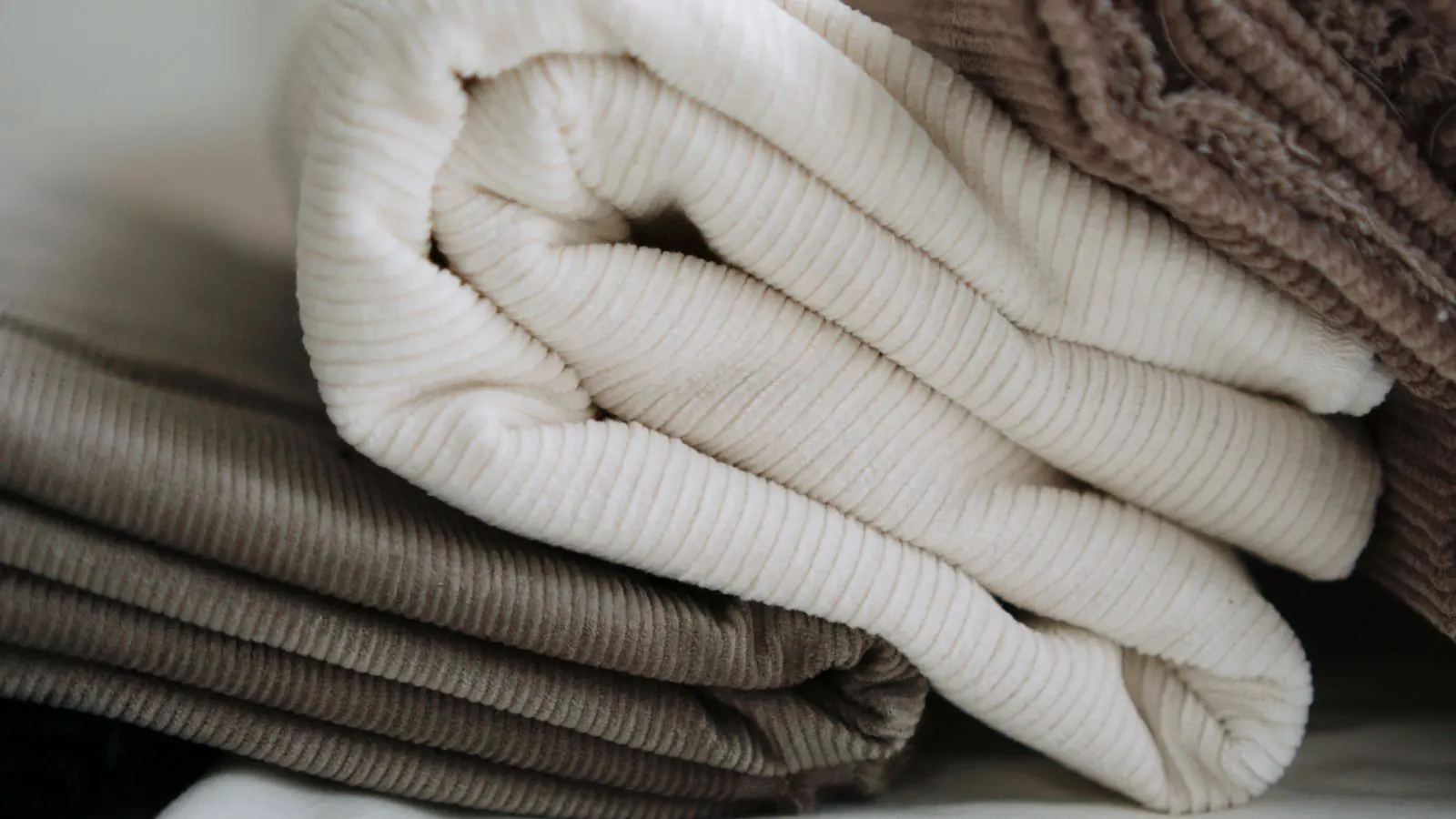
Warp knits are stiffer and less drapey. The tight structure gives the fabric a firmer hand, which is useful for workwear and technical outerwear. Weft knits are softer and drape more naturally, which is better for casual wear and comfort-focused applications.
The following table compares the two constructions for industrial use.
| Option | Best for | Limitations |
|---|---|---|
| Warp knit | High-recovery stretch, directional applications, workwear | Higher cost, slower production, specialized machinery |
| Weft knit | Balanced stretch, general industrial use, high-volume production | Lower recovery, more elongation over time, less stability |
| Warp vs weft knit hybrid | Applications requiring a balance of stretch and stability | Complex sourcing, limited availability, higher cost |
| Single jersey | Basic stretch, comfort-focused applications | Low stability, high shrinkage, poor recovery |
| Rib knit | Elasticity in one direction, cuffs and hems | Less stretch in the cross direction, prone to curling |
When to choose a warp knit
Choose a warp knit when the application demands high recovery and directional stretch. Workwear that requires the fabric to stretch over a moving body and return to its original shape is a good fit. The same applies to technical outerwear where the fabric must resist stretching in one direction while allowing movement in another.
Warp knits are also better for applications where the fabric must maintain its shape after repeated washing and drying. The tight structure and high recovery reduce the risk of permanent elongation. This makes them suitable for uniforms and protective clothing that must look professional over a long period.
The cost is the main barrier. Warp knits are more expensive to produce, and the supply chain is less developed than for weft knits. For high-volume applications, the cost difference can be substantial. If the application does not require high recovery or directional stretch, a weft knit is usually the better economic choice.
When to choose a weft knit
Choose a weft knit when the application requires balanced stretch and high production volume. Uniforms, casual wear, and general industrial applications are all well suited to weft knits. The fabric stretches in both directions, which makes it more comfortable for the wearer and easier to sew.
Weft knits are also better for applications where the fabric must be cut and sewn with minimal concern about directional distortion. The balanced stretch reduces the risk of seams distorting during assembly. This makes them a practical choice for most standard industrial applications.
The limitation is recovery. Weft knits are more likely to elongate over time, which can affect the fit and appearance of the finished product. For applications that require long-term stability, a weft knit may need a tighter structure or a specific yarn blend to hold its shape.
How to match the construction to the application
Matching the knit construction to the application requires a clear understanding of the mechanical demands. The first step is to identify the primary stress direction. If the fabric must stretch in one direction and resist in the other, a warp knit is the better choice. If the fabric must stretch in both directions, a weft knit is more appropriate.
The second step is to consider the recovery requirement. If the fabric must return to its original shape after repeated use, a warp knit is the better choice. If the fabric can tolerate some elongation, a weft knit is sufficient. The third step is to evaluate the cost and production constraints. Warp knits are more expensive and slower to produce. Weft knits are cheaper and faster.
The final step is to test the fabric under real conditions. A sample should be subjected to the same forces it will experience in service. This includes stretching, washing, and drying. The results will show whether the fabric holds its shape and how it behaves over time. This test is more reliable than relying on specifications alone.
A numbered list of key checks for selecting the right knit construction:
- Identify the primary stress direction. If the fabric must stretch in one direction and resist in the other, choose a warp knit.
- Determine the recovery requirement. If the fabric must return to its original shape after repeated use, choose a warp knit.
- Evaluate the cost and production constraints. If the application requires high volume and low cost, choose a weft knit.
- Test the fabric under real conditions. Subject a sample to the same forces it will experience in service.
- Review the yarn content. A high percentage of stretch fibers will increase elongation. A blend with a stable fiber will improve recovery.
Common mistakes in selecting knit structure
The most common mistake is assuming that a weft knit is always the better choice. While weft knits are cheaper and easier to source, they are not always the right fit. If the application requires high recovery or directional stretch, a warp knit is the better choice. The cost difference is a trade-off, not a barrier.
The second mistake is ignoring the yarn content. A weft knit with a high percentage of stretch fibers will elongate more than a weft knit with a stable fiber blend. The yarn content can be more important than the knit structure in some applications. A sample test is the only way to know for sure.
The third mistake is not testing the fabric under real conditions. A sample that looks good on the roll may not perform well in service. The fabric must be subjected to the same forces it will experience in use. This includes stretching, washing, and drying. The results will show whether the fabric holds its shape and how it behaves over time.
Final selection criteria
The choice between warp and weft knits comes down to a few key factors. The first factor is the primary stress direction. If the fabric must stretch in one direction and resist in the other, a warp knit is the better choice. If the fabric must stretch in both directions, a weft knit is more appropriate.
The second factor is the recovery requirement. If the fabric must return to its original shape after repeated use, a warp knit is the better choice. If the fabric can tolerate some elongation, a weft knit is sufficient. The third factor is the cost and production constraints. Warp knits are more expensive and slower to produce. Weft knits are cheaper and faster.
The final factor is the yarn content. A high percentage of stretch fibers will increase elongation. A blend with a stable fiber will improve recovery. The yarn content can be more important than the knit structure in some applications. A sample test is the only way to know for sure.
For industrial applications, the selection process should be driven by the mechanical demands of the product. The knit construction must match the stress profile of the application. The yarn content must support the recovery requirement. The cost and production constraints must be realistic. A sample test under real conditions is the final check.
When in doubt, start with a weft knit. It is cheaper, faster, and easier to source. If the fabric does not meet the recovery requirement, switch to a warp knit. The cost difference is a trade-off, not a barrier. The goal is to select the right construction for the application, not the cheapest option.
Frequently asked questions
What is the main mechanical difference between warp and weft knits?
Warp knits stretch strongly in one direction and resist in the other. Weft knits stretch evenly in both directions. This difference affects how the fabric behaves under load and over time.
Which construction is better for workwear?
Warp knits are better for workwear that requires high recovery and directional stretch. Weft knits are better for workwear that requires balanced stretch and high production volume.
Are warp knits more expensive than weft knits?
Yes. Warp knits are more expensive to produce because they require specialized machinery and precise tension control. Weft knits are cheaper and faster to produce.
How do I test if a knit will hold its shape?
Subject a sample to the same forces it will experience in service. Stretch it, wash it, and dry it. Then measure the recovery. The results will show whether the fabric holds its shape.
Can I use a weft knit for high-recovery applications?
It is possible, but it is not ideal. A weft knit will elongate more over time than a warp knit. For high-recovery applications, a warp knit is the better choice.