Cost and Lead Time: Knit vs Woven Fabric Sourcing
Knit fabric is usually cheaper and faster to produce than woven fabric because fewer machines are involved in the loop process. Woven fabric commands higher costs for structural integrity and lower stretch. Comparing quotes requires standardizing weight, yarn, and finishing to avoid false savings.
- Knit fabrics typically have shorter lead times due to simpler machine setups and faster production speeds.
- Woven fabrics cost more because of higher yarn consumption, complex loom operation, and stricter tension control.
- A fair quote comparison requires identical specifications for weight, fiber content, and finishing.
- Including a clear RFQ with swatch requirements helps suppliers provide accurate pricing.
- Lead time estimates should account for sampling, bulk production, and quality control phases.
Why Knit Fabric Usually Costs Less Than Woven Fabric
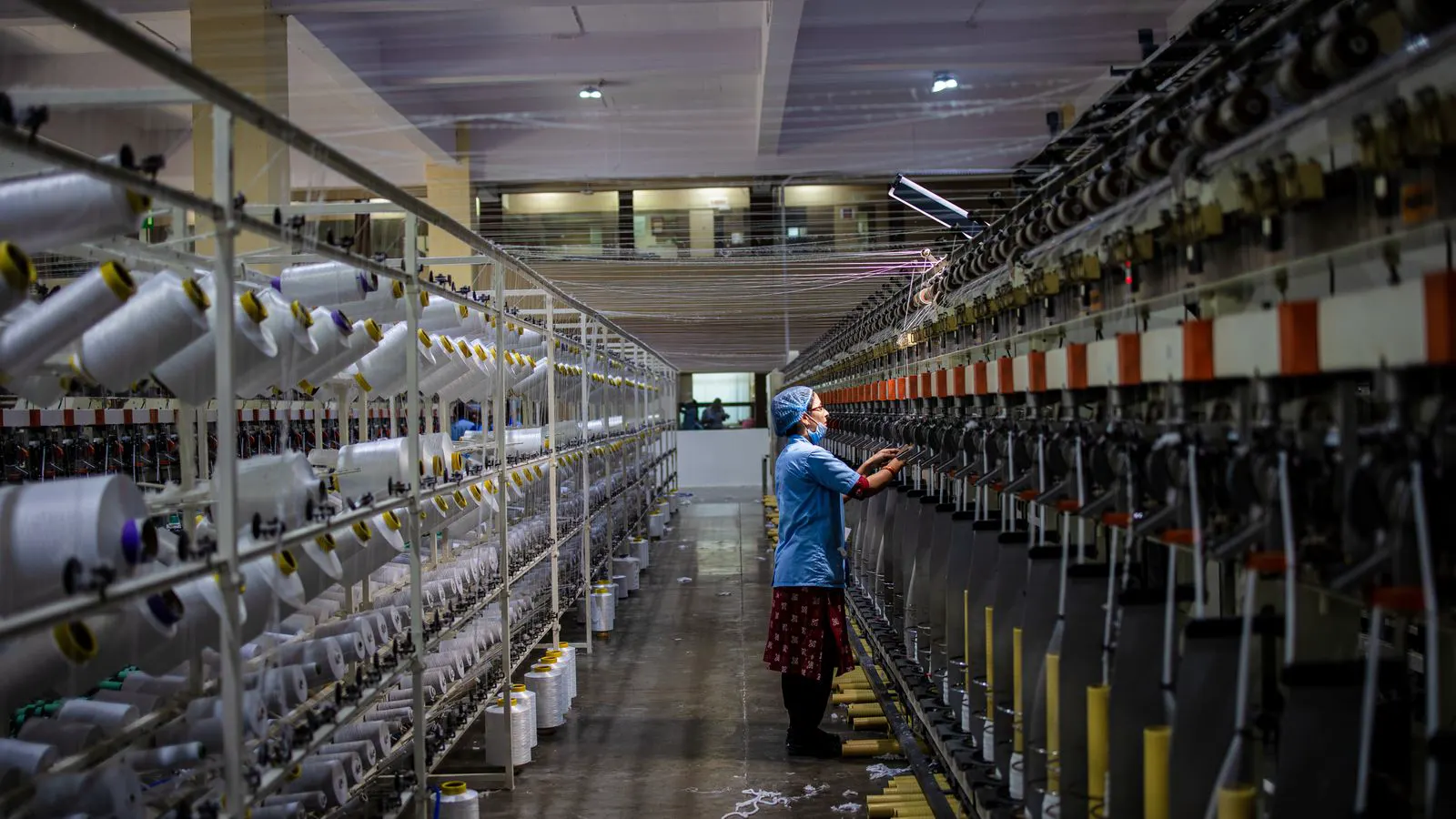
The price difference between knit and woven fabric is rooted in how the machines operate and how yarn moves through the production line. Knitting machines create fabric by interlocking loops of yarn. A single thread travels continuously through a row of needles or across a circular bed. This method allows the machine to produce fabric at high speeds. The mechanical process involves fewer moving parts compared to a loom. Fewer parts mean less wear, lower maintenance costs, and less energy used per meter of output. The loop structure also allows the fabric to stretch, which reduces the need for complex tension management during production.
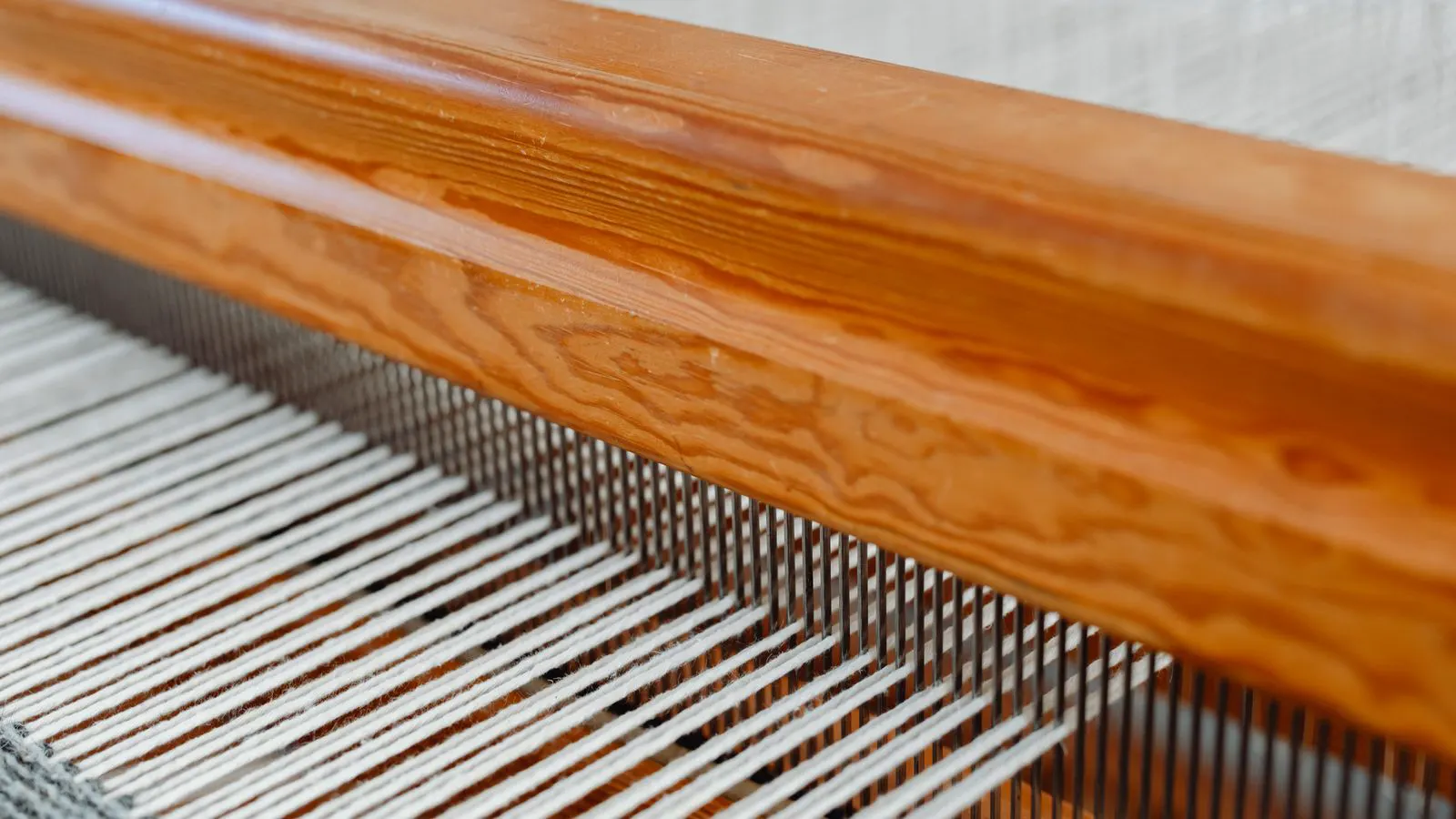
Woven fabrics rely on the interlacing of weft and warp threads. A loom requires precise tension on both the horizontal warp and the vertical weft. The shuttle or weft insertion mechanism must operate at a consistent rhythm. If one thread breaks or the tension fluctuates, the loom may stop or produce a defect. This mechanical complexity increases operating costs. It also raises the yield loss rate during production. A broken warp thread can create a hole or a run that must be cut out and discarded. Knits do not have this same vulnerability to a single thread failure. A broken loop usually results in a small local defect rather than a complete structural failure.
Yarn consumption is another major factor in the cost structure. Knit fabric uses a single set of yarns that form the structure as they are looped. The yarn count per square meter is often lower than in woven fabrics of similar weight. Woven fabric requires separate warp and weft yarns. The warp often uses stronger, finer yarns to maintain tension across the loom width. This increases the raw material cost per square meter. The resulting woven fabric is stiffer and less prone to stretching. That structure justifies the higher price point for technical applications where dimensional stability is required. The additional yarn used in the weave adds cost without adding functional value for stretch applications.
How Lead Time Differs Between Knit and Woven Sourcing
Production speed and setup complexity drive delivery times. Knitting machines can often run at higher yardages per hour than looms. A single flat knitting machine may produce several hundred meters in a day, depending on the fabric type and needle size. A circular knitting machine can produce even more, sometimes several kilometers per day. A loom produces less because of the slow pick cycle and tension management. The time required to insert a weft thread and beat it into place limits the maximum speed.
Setup time also differs significantly between the two processes. Changing yarn or needle configuration on a knitting machine is relatively quick. Operators can often change yarn color or adjust the pattern in minutes to hours. Adjusting a loom for a new weave structure or color change requires more labor and precision. Warping the loom for a new pattern is a time-consuming task. It involves threading hundreds or thousands of yarns onto the warping machine and then transferring them to the loom. This process is labor intensive and prone to errors if done quickly.
Sampling adds a significant delay for both types. Knit samples can be produced faster, but color matching and hand feel still require time. Woven samples may take longer because of warp preparation and loom calibration. The bulk production phase follows sampling. For knit fabric, the transition from sample to bulk is often smoother. The machine settings are easier to replicate. For woven fabric, the mill must verify that the loom settings match the approved sample exactly. This extra verification step extends the timeline. Any slight variation in warp tension or weft insertion angle can change the hand feel and the drape of the fabric.
What Drives the Final Price of Your Fabric
Price is not just about the fabric type. It is a combination of material, construction, and finishing. The table below lists the main cost drivers. Understanding these factors helps you identify where a supplier is adding value or cutting corners.
| Cost Driver | Knit Fabric Impact | Woven Fabric Impact |
|---|---|---|
| Yarn Quality | Higher fiber grades increase price directly | Warp and weft cost adds up significantly |
| Machine Type | Standard flat or circular machines are common | Power looms and jacquards cost more to operate |
| Construction | Loop structure reduces yarn usage | Interlacing requires more yarn per meter |
| Finishing | Dyeing and washing are standard | Extra finishing may be needed for stability |
| Defect Rate | Lower mechanical complexity reduces waste | Higher tension control requires more inspection |
Yarn quality is the primary driver. Using a higher grade cotton or a specialty synthetic fiber increases the raw material cost directly. For knits, the yarn count is often lower, but the grade still matters. For wovens, the cost of the warp and weft yarns adds up significantly. A high-quality yarn may cost double a standard one, and this cost is reflected in the final price.
Machine type also affects the price. Standard flat or circular knitting machines are common and operate at high volumes. Power looms and jacquards cost more to operate. Jacquard machines allow for complex patterns but require slower speeds and higher energy consumption. This complexity is passed on to the buyer.
Construction determines the yarn usage. The loop structure of knits reduces yarn usage compared to the interlacing required in wovens. This efficiency lowers the material cost. However, if the knit requires a complex pattern, such as a rib or a jacquard knit, the yarn usage may increase.
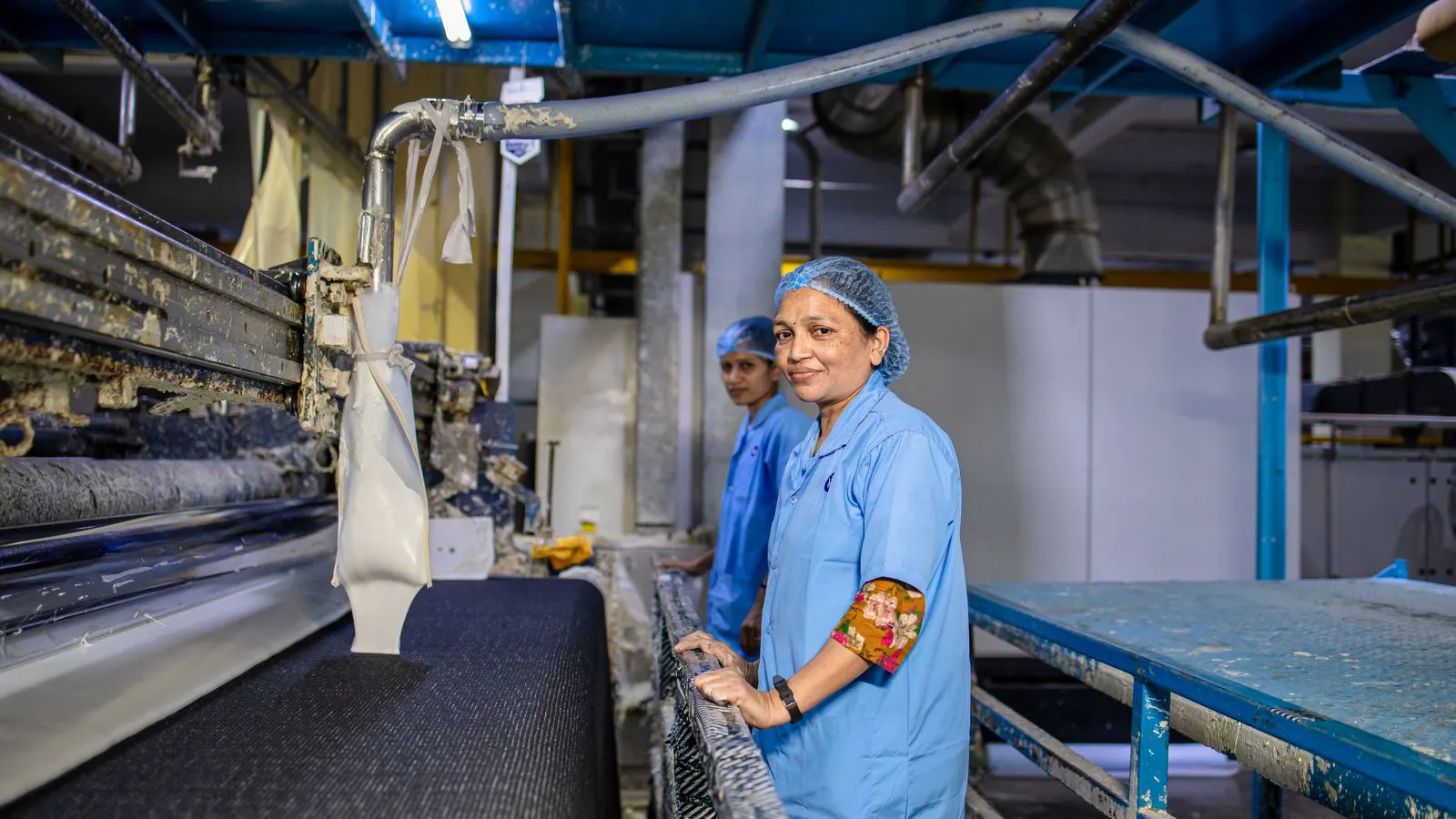
Finishing is a major cost component. Dyeing and washing are standard for knits. Wovens may require extra finishing for stability, such as a wet finish or a heat setting. This process adds cost and time. It also affects the hand feel of the fabric.
How to Write a Clear RFQ for Accurate Quotes
A vague request leads to a vague quote. If you ask for “black cotton knit fabric” without details, suppliers will make assumptions. Some will use cheaper polyester blends. Others will use higher quality cotton. The price difference can be substantial. To get a fair comparison, your RFQ must specify every variable.
Start with the fabric composition. State the exact fiber content, such as 95 percent cotton and 5 percent elastane. Specify the weight, usually in grams per square meter. For knit, mention the gauge or needle size if it matters to the hand feel. A 18 gauge jersey has a tighter construction than a 22 gauge jersey. This affects the weight and the drape. For woven, specify the weave type, such as twill or poplin, and the thread count. These details determine the yarn type and the machine setting.
Next, define the finish. Do you need the fabric dyed, printed, or finished with a water-repellent treatment? Each step adds cost and time. Specify the color standard. Provide a physical swatch or a Pantone code. Color matching is a frequent source of dispute. If you need a specific hand feel, describe it clearly. “Soft drape” is too vague. “Lightweight with a smooth face” is better. You can also reference a known fabric type as a benchmark.
Finally, state the quantity and packaging. Small runs cost more per unit due to setup. Large runs reduce unit costs but increase storage and shipping. Specify the roll width and length. Packaging requirements also affect the final price. A clear RFQ removes guesswork and allows suppliers to price the job accurately. It also reduces the number of back and forth emails, which speeds up the process.
How to Compare Quotes from Different Suppliers
Suppliers often quote based on different assumptions. One quote may include dyeing and finishing. Another may be for the gray fabric only. Comparing these numbers directly is misleading. You need to standardize the specifications before looking at the price.
Check the fabric weight and composition on each quote. If one supplier quotes 180 grams per square meter and another quotes 200 grams per square meter, the price per meter will differ. The 200 gram fabric uses more yarn and costs more. Adjust the numbers to a common baseline. Look at the minimum order quantity. A lower price with a higher MOQ may not be affordable for a small run. You must consider the total cost of ownership, not just the unit price.
Evaluate the lead time in the quote. Does the supplier promise 30 days or 45 days? Ask what is included in that timeframe. Does it cover sampling, bulk production, and inspection? A 30-day lead time that excludes inspection is not the same as a 30-day lead time that includes everything. Ask for a breakdown. This transparency helps you plan your inventory and production schedule. It also helps you identify bottlenecks in the supply chain.
Common Mistakes That Inflate Costs and Delays
Buying fabric without a finalized design is a common error. If the style changes after the fabric is ordered, the supplier may have to re-dye or re-finish the material. This creates waste and delays. Always approve the fabric swatch before confirming the bulk order. If the design is not final, order a small quantity of fabric to test the construction. This allows you to make changes before committing to a large order.
Ignoring the sampling phase is another mistake. Some buyers assume that the bulk fabric will match the sample exactly. It rarely does. The machine settings, yarn batch, and dye lot can shift slightly. Always request a bulk sample or a lab dip before approving the full lot. This extra step costs money but prevents a rejected shipment. A rejected shipment means you have to pay for the fabric to be returned or destroyed, and you lose time while you source a replacement.
Not confirming the lead time with the supplier’s production schedule is a risk. If the mill is at capacity, your order may be delayed. Ask about their current backlog. Ask about their quality control process. Do they inspect every meter or just a random sample? Knowing their inspection method helps you anticipate delays if a defect is found. If they inspect every meter, they may find a defect early and stop the production line. If they only inspect a random sample, a defect may only be found after the fabric is shipped.
Final Thoughts on Sourcing Strategy
Knit fabric offers speed and lower cost for stretch applications. Woven fabric provides structure and durability for technical uses. The choice depends on the end product. A soft jersey shirt benefits from knit. A structured outerwear panel benefits from woven.
Your sourcing success depends on clear communication. Provide complete specifications. Standardize your quotes. Verify the lead time against the supplier’s actual capacity. These steps protect your budget and your schedule.
Frequently asked questions
Is knit fabric always cheaper than woven fabric?
Not always. Knit fabric is generally cheaper due to faster production and lower yarn usage. However, specialty knits with high-quality elastane or complex finishes can cost more than basic woven fabrics.
How much longer does woven fabric take to produce?
Woven fabric often takes longer because of slower loom speeds and complex setup times. The exact difference depends on the weave, yarn, and order size.
What is the most common reason for price differences in quotes?
Differences in fabric weight, fiber content, and finishing requirements are the main causes. Suppliers may quote for different specifications, leading to misleading price comparisons.
How can I ensure the bulk fabric matches the sample?
Request a bulk sample or lab dip before approving the full order. Specify the color standard and finish in your RFQ. This reduces the risk of mismatches.
Does the minimum order quantity affect the lead time?
Yes. Smaller orders may have shorter lead times if the machine is ready. Larger orders may take longer due to production scheduling and quality control steps.