What ISO 9001 Means for Textile Suppliers
ISO 9001 is an audit of how a supplier manages quality, not a guarantee that every roll of fabric will pass inspection. It verifies that processes, records, and corrective actions follow a defined system, which reduces sourcing risk but does not replace material testing.
- ISO 9001 verifies processes, not product performance
- Certification confirms a documented system exists, but does not guarantee defect-free output
- Sourcing teams should pair ISO 9001 with material-specific testing and inspection
- Certification scope matters more than the certificate itself
- A valid certificate does not remove the need for arrival inspection
What ISO 9001 actually covers
ISO 9001 is a quality management standard. It does not test fabric, yarn, or dye. It does not set a limit on shrinkage, colorfastness, or pilling resistance. What it does is define how a supplier should think about quality.
The standard requires a supplier to have documented procedures for managing quality. That includes how incoming materials are accepted, how production is controlled, how non-conforming product is handled, and how customer complaints are investigated. The certificate proves that a third-party body has audited these systems and found them consistent with the standard.
For a procurement manager, this matters. A supplier with ISO 9001 certification should be able to show that its quality processes are not ad hoc. There should be records, clear responsibilities, and defined steps when something goes wrong.
What the certification does not guarantee
This is the point most buyers miss. ISO 9001 does not guarantee that a specific order will arrive defect-free. It does not guarantee that a particular batch of cotton poplin will pass your colorfastness test. It does not certify that the fabric will hold up to your exact use case.
The certification covers the system, not the product. A factory can hold a valid ISO 9001 certificate and still ship a roll with a color variation that fails your spec. The system is supposed to catch that before it happens, but the system is only as good as the people running it and the checks in place.
This distinction changes how you should use the certificate in sourcing. Treat it as a baseline indicator of process discipline. Then layer your own testing and inspection on top.
How the audit works in practice
An ISO 9001 audit has several stages. The first is a document review. The auditor looks at the supplier’s quality manual, work instructions, and records. They check whether the supplier can show that its processes match what it says it does.
The second stage is a field audit. The auditor visits the facility, observes production, and interviews staff. They may pull records from an order and trace them from raw material receipt through final inspection. They look for evidence that the system works in daily operations, not just in binder form.
The third stage is follow-up. If the audit finds non-conformities, the supplier gets a set period to correct them. The auditor returns to verify the fixes.
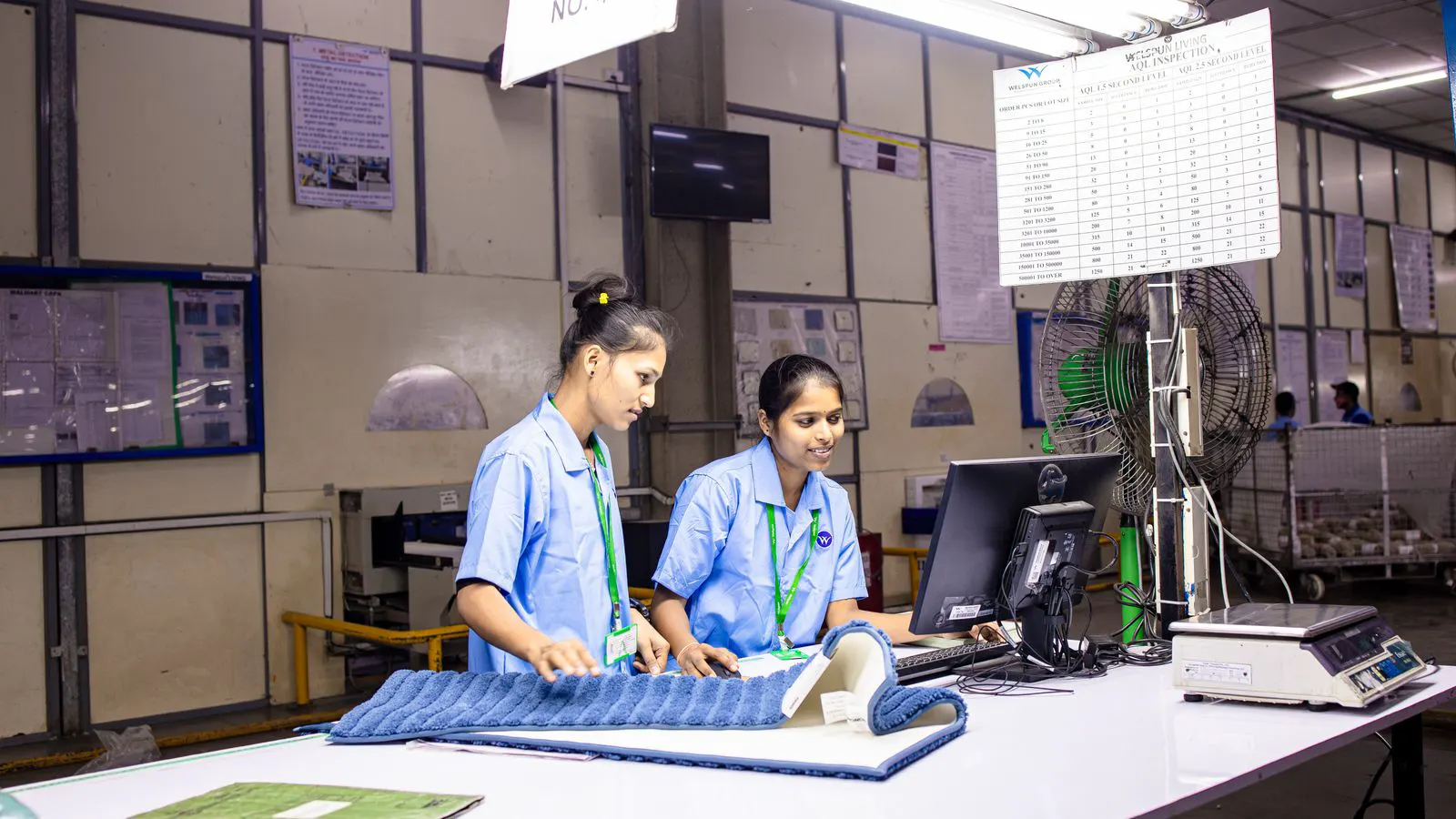
For textile suppliers, the audit often focuses on incoming inspection of yarn and dye, in-process checks during weaving or knitting, and final inspection before shipment. The auditor will ask to see test reports, inspection records, and corrective action logs.
How this affects sourcing decisions
When you are comparing suppliers, ISO 9001 gives you a useful data point, but not a complete picture. A supplier with certification is generally more likely to have documented processes and to respond to issues with a structured corrective action. That reduces the chance of repeating the same defect across multiple orders.
It also affects how you negotiate. A certified supplier should be willing to share its quality procedures, inspection criteria, and non-conforming product handling process. If a supplier cannot explain how it handles a rejected lot, that is a red flag even if the certificate is on the wall.
For new suppliers, certification can be a reasonable entry point. It suggests the business has a baseline level of discipline. For established suppliers, the certificate is less differentiating. The real question is whether their system is strong enough to handle your specific requirements.
A worked example
Say you are sourcing a polyester twill for workwear. The supplier holds an ISO 9001 certificate. Before you place a large order, you ask for their quality procedures. They provide a quality manual, a work instruction for final inspection, and a sample corrective action record.
The work instruction shows that every roll is checked for color variation, stitch density, and fabric defects before shipment. The corrective action record shows that a previous batch had a dye lot variation. The supplier isolated the affected rolls, re-dyed them, and documented the root cause.
This is useful. It shows the system works. But it does not tell you whether your specific shade of navy will match your standard. You still need to send a pre-production sample for approval. You still need to inspect the bulk arrival against your textile inspection checklist. You still need to run the tests your end-use requires.
The certificate tells you the supplier has a process for catching problems. Your testing tells you whether this specific fabric meets your spec.
How to verify the certificate
Not all ISO 9001 certificates are created equal. Check the scope of the certificate. A certificate might cover weaving only, or dyeing only, or the entire supply chain. A certificate issued by a small audit body may have different rigor than one from a large international certification body.
Check the expiry date and the audit frequency. ISO 9001 requires periodic surveillance audits. A certificate that is near expiry may not reflect current operations.
Check the certificate number. Many certification bodies allow you to verify a certificate online. If the supplier cannot provide a certificate number or will not confirm it with the issuing body, be cautious.
Common mistakes buyers make
The most common mistake is treating ISO 9001 as a substitute for testing. A certificate does not replace your own inspection plan. It does not tell you whether the fabric will pass your abrasion test or your colorfastness requirement.
Another mistake is ignoring the scope. A supplier may be certified for knitting, but you are buying woven fabric. The certificate may not cover the process that matters to you.
A third mistake is assuming the certificate covers the specific product. A supplier may be certified for a general textile operation, but your product may involve a specialty process that is not included in the audit scope.
What to ask the supplier
Before relying on a supplier’s ISO 9001 certificate, ask these questions:
- What is the exact scope of the certification?
- Which processes are covered in the audit?
- When was the last surveillance audit conducted?
- How do you handle non-conforming product after it is identified?
- Can you share your quality manual and key work instructions?
A good supplier will answer these without hesitation. If the answers are vague, or if the supplier cannot point you to the relevant documents, the certificate may be less meaningful than it looks.
How this fits with other certifications
ISO 9001 often appears alongside other standards. ISO 14001 covers environmental management. ISO 45001 covers occupational health and safety. For textiles, you may also see OEKO-TEX or GOTS for chemical restrictions and organic content. Each standard covers a different area.
A supplier with multiple certifications is not automatically better. The question is whether the relevant certifications cover your specific requirements. If you are buying for a regulated market, you may need product-specific certifications in addition to a quality management system.
The point is that ISO 9001 is one tool. It is useful, but it is not the whole picture. Your sourcing decision should be based on the full set of evidence, not a single certificate on the wall.
What to do next
Treat ISO 9001 as a baseline. Use it to screen suppliers, but not to replace your own quality controls. When you find a supplier with certification, ask for the scope and the audit history. Then build your own inspection and testing plan around the specific fabric and use case.
The certificate tells you the supplier has a system. Your testing tells you the product works. You need both.
Frequently asked questions
Does ISO 9001 guarantee the fabric will pass my inspection?
No. ISO 9001 verifies that the supplier has a quality management system in place. It does not guarantee that a specific roll of fabric will meet your inspection criteria. You still need to test and inspect the product.
Can a supplier be ISO 9001 certified and still have quality problems?
Yes. The certification covers the system, not the product. A supplier can hold a valid certificate and still ship defective fabric if the system fails in practice. The certificate is a starting point, not a final assurance.
How long does an ISO 9001 certificate stay valid?
ISO 9001 requires periodic surveillance audits, typically every year. The certificate remains valid only as long as the supplier passes these audits and keeps the certificate current.
Is ISO 9001 enough for textile sourcing?
No. ISO 9001 is useful for verifying process discipline, but it does not cover material performance. You need product-specific testing, inspection, and possibly other certifications depending on your end use.
What if the supplier has multiple ISO certifications?
Multiple certifications can be useful, but each one covers a different area. Check the scope of each certificate to make sure it covers the processes and products relevant to your order.