Pre-Production Checklist for Bulk Fabric Orders
Verify bulk fabric specs, confirm MOQ terms, and review textile cost structures before releasing payment. This checklist helps buyers check dye lots, hand feel, and mill documentation to avoid costly rework and delivery delays on large textile orders.
- Check dye lot numbers and sample approvals before authorizing bulk production.
- Confirm MOQ terms, payment schedules, and lead times in writing.
- Review mill test reports and fabric hand feel against your approved sample.
- Verify textile cost breakdowns including dyeing, finishing, and shipping.
- Keep a pre-production file with all approvals and test results for dispute resolution.
Why a Pre-Production Checklist Matters for Bulk Fabric
Bulk fabric orders fail when details shift between sample approval and final shipment. A buyer may approve a swatch on Tuesday, then receive a fabric with different hand feel or color depth two weeks later. The gap between approval and production is where mistakes happen.
This checklist covers the checks to make before releasing bulk payment. It groups items into themes so your team can work through them systematically. Each item includes the purpose and a red flag to watch for. The goal is to catch discrepancies while the supplier still controls the process. Once the fabric is on the truck or on the vessel, your use drops significantly. Use these checks as a gate. Do not move to the next stage until the previous one is closed.
Confirm the Fabric Specification Against the Approved Sample
The approved sample is your baseline. Pull the physical sample and compare it against the specification sheet before anything else. Digital images are helpful for reference but they do not replace the physical check. Screen brightness, camera white balance, and fabric folding all alter how a swatch looks on a monitor.
- Verify fiber content and weight in grams per square meter. Check both the label and the mill test report. If the report says 100 percent cotton but the label says 98 percent cotton with 2 percent elastane, stop and ask for clarification. Elastane changes recovery, stretch, and how the fabric ages. A small percentage difference can alter the final product behavior.
- Check the weave type. Twill, poplin, sateen, and canvas all behave differently in cutting and sewing. Twill shows a diagonal line and resists wrinkles better than poplin. Sateen has a smooth face and drapes more heavily. Canvas is dense and stiff. Confirm the exact structure matches what your garment or product design requires. A wrong weave can ruin a pattern layout even if the color is correct.
- Measure width in usable width. Fabric may be 60 inches total, but the usable width after selvedges and edge trimming could be 58 inches. Your pattern layout depends on this number. If you design your layout for 60 inches and receive 58 inches, you lose fabric and increase cost per unit.
- Check the hand feel. Rub the fabric between your fingers. Note stiffness, drape, and surface texture. A sample that feels soft and smooth on a roll may feel stiffer after washing or pressing. Some finishes are wet-on and wash out. Others are permanent. Ask the mill which finish is applied and whether it is washable.
- Examine the surface under good lighting. Look for slubs, snags, or irregularities that the mill may not have flagged. Check the fabric in multiple directions. Light catches surface defects differently depending on the angle.
Red flag: The mill says the sample is “close enough” but the weight is 15 grams per square meter off. For bulk fabric, small weight differences change the cost per meter and affect how the finished product drapes. If the weight is off, the cost calculation is wrong, and the physical product may not match the intended design.
Verify Dye Lot Consistency and Color Approval
Color variation between dye lots is the most common reason for bulk fabric rejection. A buyer who orders 5000 meters across three dye lots may receive three slightly different shades. The difference may be subtle to the eye but obvious when the fabric is cut into a large garment.
- Confirm the number of dye lots required for the order. If the mill cannot produce the full quantity in one lot, ask how the lots will be allocated to your shipment. Request a plan that distributes the lots evenly across the shipment. Do not accept a plan that gives you one lot first and another lot later.
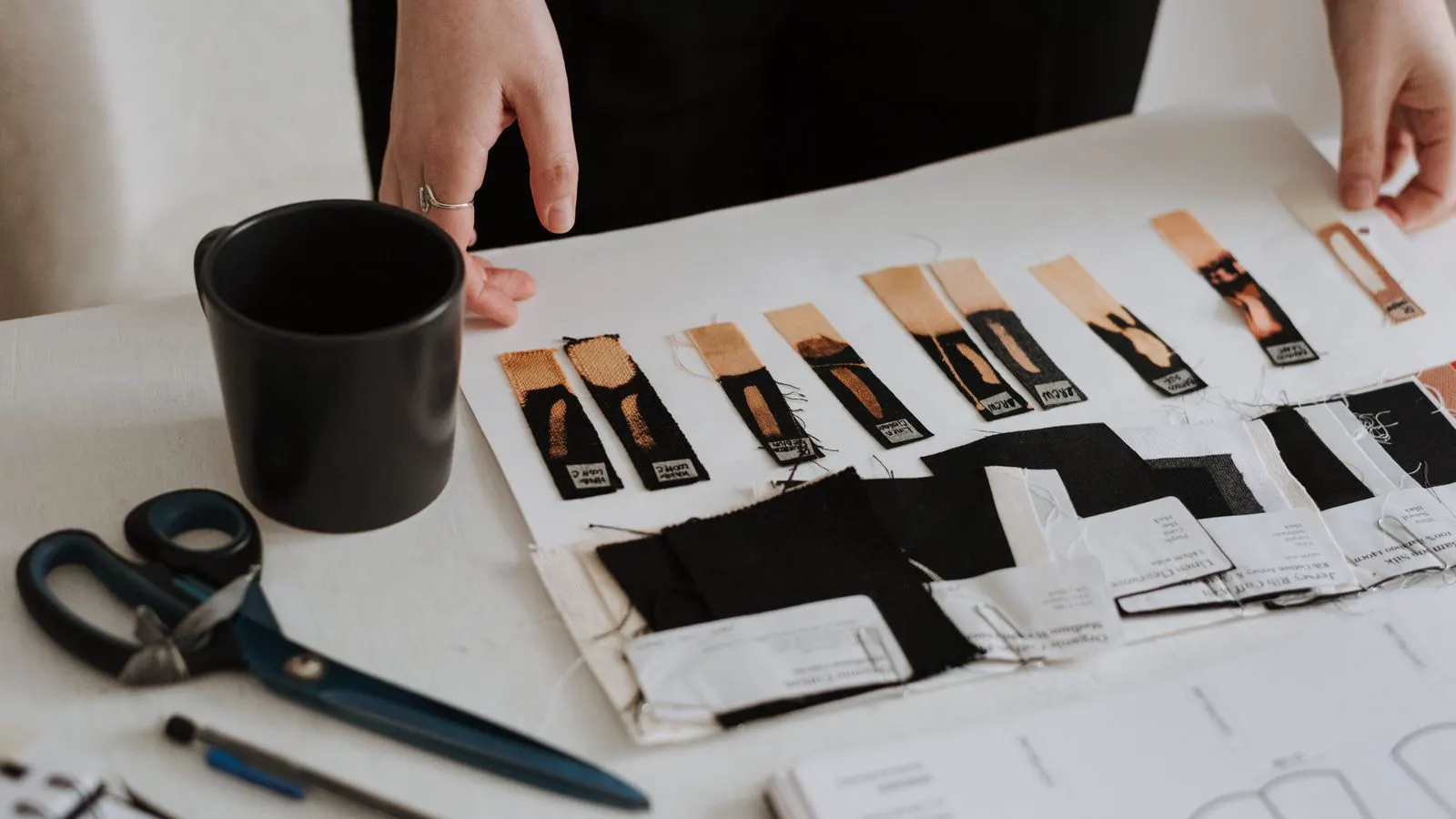
- Request a color card or digital reference. Make sure the reference is agreed in writing and includes the lighting conditions used for the check. D65 lighting is a standard reference for color evaluation. Ask the mill which lighting source they used and what the tolerance range is.
- Check the color fastness report. Confirm the test results for wash fastness, light fastness, and rub fastness. Ask which standard the mill used and whether the results meet your acceptance threshold. If the report uses a standard different from your internal requirement, ask for a direct comparison.
- Request a small pre-production swatch from the actual dye lot. Do not rely on the initial sample if the mill changed the dyeing process or the dye supplier. A pre-production swatch taken from the bulk dye bath is the only true test of the color you will receive.
Red flag: The mill says the color is “within tolerance” but the tolerance range is very wide. If the tolerance spans two shades of gray, your final product will look inconsistent. A tight tolerance usually means the difference is barely visible. A wide tolerance means the mill is covering for process variation.
Confirm MOQ and Order Quantities
The minimum order quantity determines how the mill prices your bulk fabric. Understanding the MOQ structure protects you from hidden costs and production delays. The MOQ is not just a number. It is a constraint on how the mill schedules production.
- Confirm the MOQ in meters or kilograms. Some mills quote MOQ in linear meters, others in fabric weight. Make sure your purchase order uses the same unit. If the mill quotes in meters and you order in kilograms, the conversion error can lead to a shortage or an overage.
- Check if the MOQ applies per color and per shade. If you need three colors and the MOQ is 500 meters per color, your true minimum is 1500 meters, not 500. This is a common source of surprise. The total order may look small, but the per-color requirement drives the cost.
- Ask about overage charges. If you need 1010 meters but the mill produces in 500 meter increments, you may be billed for 1000 meters with a 10 meter overage fee. Some mills charge for the full increment. Others allow a small tolerance without charge. Get the policy in writing.
- Confirm the lead time against the MOQ. A larger quantity may extend the lead time by several weeks. Build that time into your production schedule. If the MOQ pushes you into a larger production run, the dyeing and finishing times increase. Do not assume the lead time stays the same when the quantity changes.
Red flag: The quote lists a low price per meter but the MOQ is higher than your order quantity. The effective cost per meter rises when you split the order across multiple shipments. If the MOQ is higher than your order, the mill may not accept the order or may charge a surcharge for the setup.
Review Textile Cost Breakdown and Payment Terms
The unit price on the quote is only part of the textile cost. Shipping, duties, and quality rejection fees can change the final cost by a meaningful margin. A low unit price can look attractive until you add the other costs.
- Ask for a cost breakdown. Request the price split between fabric base cost, dyeing, finishing, and packaging. This helps you identify where you can negotiate. If the dyeing cost is high, ask if a different dye process could reduce it. If the finishing cost is high, ask if a lighter finish would meet your requirements.
- Confirm the Incoterms. FOB, CIF, and DDP all shift different risks and costs to the buyer. Make sure the terms match your logistics plan. FOB means the mill handles the fabric to the port of loading. You handle the vessel and insurance. CIF means the mill pays for the vessel and insurance but risk transfers at the port of loading. DDP means the mill handles everything to your destination. Each term has different implications for risk and cost.
- Review the payment schedule. Common terms include 30 percent deposit, balance against shipment, or payment against bill of lading. Each option carries different risk. A deposit is standard. Payment against shipment means you pay when the goods are on the vessel. Payment against bill of lading means you pay when you receive the document that allows you to claim the goods.
- Check the rejection policy. If the fabric fails inspection, who pays for rework, re-dyeing, or replacement? Get this in writing. A clear rejection policy protects you if the fabric does not meet the agreed standard. Without it, you may be forced to accept defective fabric or pay for rework out of your own pocket.
Red flag: The quote includes “freight and insurance” but does not specify whether the cost is fixed or subject to change. Fuel surcharges and route changes can inflate the final invoice. If the cost is not fixed, ask for a cap or a formula for how changes are applied.
Check Mill Documentation and Quality Control
Documentation is your protection when something goes wrong. A strong file makes it easier to resolve disputes and to plan future orders. If you do not have the documents, you are arguing from memory.
- Request the mill test report for the pre-production swatch. Include fiber content, weight, width, shrinkage, and color fastness. The report should be signed by the mill and dated before production starts. If the report is missing or delayed, ask why. A missing report is a sign that the mill may not have a solid quality process.
- Confirm the quality control plan. Ask which checks happen during production and which happen before shipment. A third-party inspection can be useful for large orders. During production, the mill should check width, weight, and color at regular intervals. Before shipment, they should check the final roll. If the mill only checks at shipment, you are relying on their final judgment.
- Review the packing list format. Confirm how the fabric will be rolled, labeled, and packed. Poor packing can cause damage in transit. Fabric should be rolled in a way that prevents creasing. Labels should be clear and match the purchase order. If the packing is poor, the fabric may arrive with wrinkles or stains that were not present at the mill.
- Keep the approved sample and the mill test report in the same folder. If a dispute arises, you need both documents side by side. The sample shows what you agreed to. The report shows what the mill claims to have produced. If they do not match, you have evidence.
Red flag: The mill will not provide a pre-production test report or will only release it after shipment. This removes your ability to verify quality before you lose control of the goods. If the fabric is already on the ship, you cannot inspect it before it arrives. You are left with a dispute based on photos and descriptions.
Final Approval Before Bulk Payment
The final step is a sign-off from your team. No one should release payment without confirming that every item on this checklist is complete. Payment is a commitment. Once you pay, the mill has your money and you have the fabric.
- Confirm the purchase order number and the mill’s acknowledgment. The acknowledgment should include the quantity, the specification, and the delivery date. If the mill does not acknowledge the purchase order, the terms are not agreed.
- Confirm the shipment date and the port of loading. The shipment date should be realistic. If the mill promises a date that is too early, ask for a buffer. The port of loading should match the Incoterm. If you are FOB and the port is different from what you planned, your logistics costs change.
- Confirm the inspection point. Decide whether inspection happens at the mill or at the port. Inspection at the mill is better because you can catch issues before the fabric leaves. Inspection at the port is better if you are concerned about damage in transit. Choose based on your risk tolerance.
- Confirm the contact person for production updates and issues. You need a single point of contact. If you have to email three different people to get an update, you will lose time. The contact person should have authority to make decisions on the production floor.
Red flag: The mill asks for the full balance before the fabric is finished or inspected. This shifts all production risk to you. If you cannot accept that risk, negotiate a payment against shipment. Do not pay the full balance unless you have a strong relationship with the mill and you are confident in their process.
Quick Reference: Pre-Production Checklist
Use this table as a quick reference during your review meeting.
| Check Item | Purpose | Red Flag |
|---|---|---|
| Fiber content and weight | Confirms material matches spec | Weight off by 10 percent or more |
| Dye lot number | Ensures color consistency | Multiple lots without allocation plan |
| Color fastness report | Verifies durability of dye | No report or report below threshold |
| MOQ in meters | Confirms order size and cost | MOQ higher than order quantity |
| Payment terms | Controls cash flow risk | Full balance before inspection |
| Pre-production swatch | Verifies actual production quality | Swatch differs from approved sample |
Frequently asked questions
How many meters is a typical MOQ for bulk fabric?
MOQs vary by mill, fabric type, and dye color. Some mills require 300 meters per color while others need 1000 meters or more. Always confirm the unit and per-color minimum in the quote.
Should I rely on the initial sample for bulk fabric approval?
No. The initial sample may be produced with a different dye batch or finishing process. Request a pre-production swatch from the actual dye lot before releasing bulk payment.
What is the best payment structure for a first bulk fabric order from a new mill?
A balance against shipment or against bill of lading reduces risk. Avoid paying the full balance before the fabric is finished and inspected.
How do I handle a fabric that arrives with a color shift?
Document the issue with photos, compare it to the approved sample, and reference the color fastness report. If the shift is within the agreed tolerance, you may need to accept it or negotiate a credit.
Do I need a third-party inspection for every bulk fabric order?
For large orders or first-time suppliers, yes. For established mills with a strong track record, a pre-production swatch check and a final random inspection may be enough.