Twill vs Poplin: Choosing the Right Cotton Fabric for Uniforms
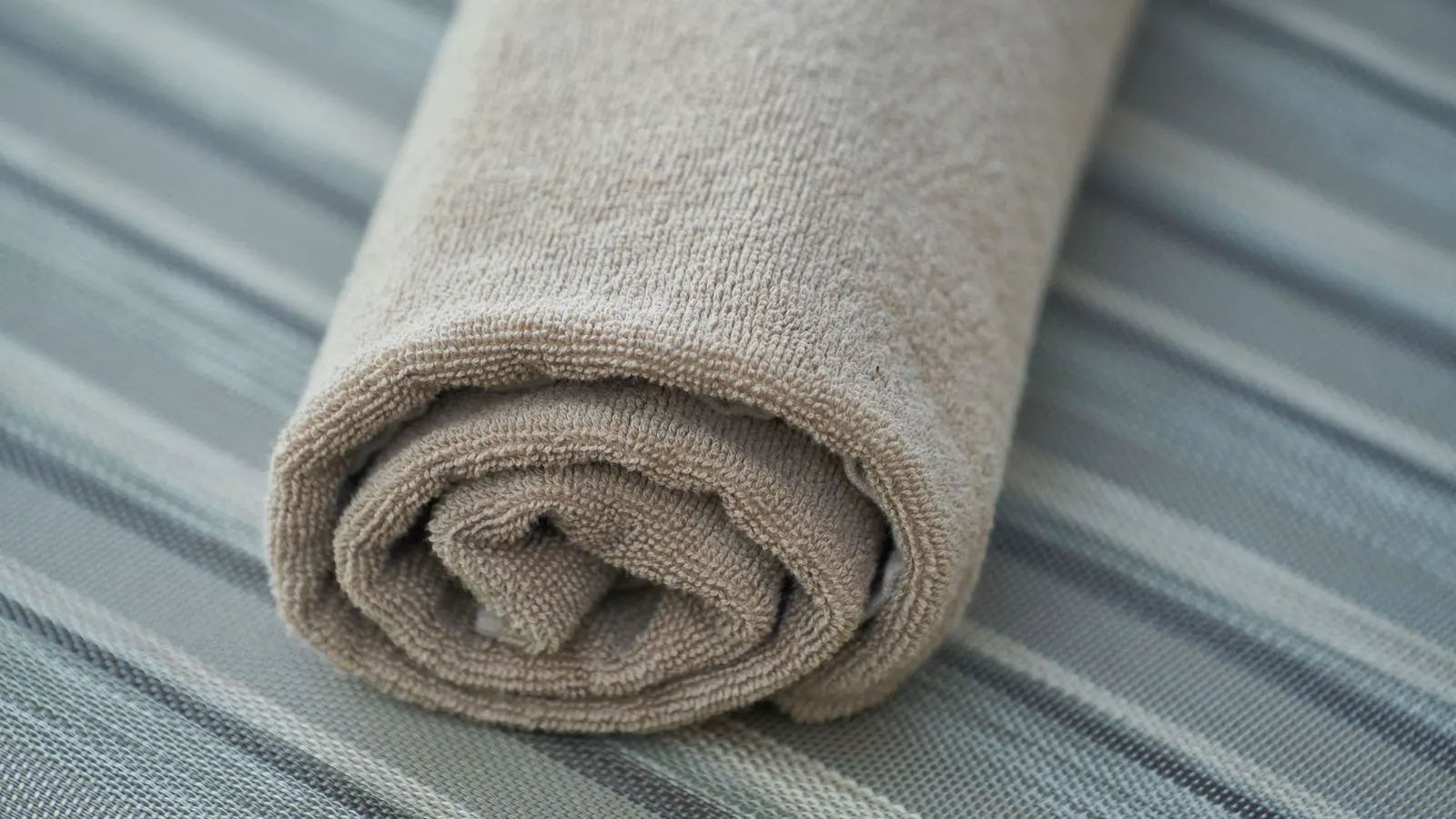
Cotton twill offers durability and a diagonal weave for heavy workwear. Cotton poplin provides a crisp, smooth finish for lighter uniforms. The choice depends on abrasion needs, weight, and final garment appearance.
- Cotton twill resists abrasion better due to its diagonal weave structure.
- Cotton poplin offers a smoother surface and lighter hand feel.
- Bulk fabric costs vary significantly based on fiber weight and weave type.
- Always inspect sample swatches for shrinkage and color fastness before ordering.
- Match the fabric weave to the specific stress points of the garment.
Selecting the right fabric for a uniform program requires a clear understanding of how the weave interacts with daily use. Two common cotton options stand out for professional workwear. Cotton twill and cotton poplin serve different functions in the garment. The decision between them hinges on durability, comfort, and the visual standard of the end product.
This comparison focuses on structural properties and practical applications. It helps buyers and engineers evaluate the best fit for their specific industry needs.
Structural Differences in Weave
The fundamental difference between these two fabrics lies in their thread arrangement. Cotton twill uses a diagonal weave pattern. The threads pass over and under the warp in a repeating sequence. This creates a visible diagonal line on the surface. The diagonal structure locks the yarns together more tightly. This results in higher tensile strength and better resistance to tearing.
Cotton poplin uses a plain weave. This is a simple over-under pattern, also known as a tabby weave. The fabric feels smooth and crisp to the touch. It has a stable, flat surface. While it lacks the diagonal reinforcement of twill, poplin offers excellent dimensional stability. It holds its shape well during cutting and sewing.
The density of the weave also impacts performance. Twill is often produced at higher counts, meaning more threads per inch. This increases the fabric’s density and weight. Poplin is typically lighter and less dense. The weight of the bulk fabric directly affects the feel of the uniform on the body. Heavier fabrics provide more insulation but can restrict movement. Lighter fabrics breathe better but may not withstand heavy abrasion.
Durability and Abrasion Resistance
For workwear, durability is a primary concern. The uniform must survive repeated washing, bending, and friction. Cotton twill excels in this area. The diagonal weave distributes stress across a larger area of the fabric. This makes twill less prone to snagging and breaking. It handles rough handling, such as kneeling or leaning against surfaces, better than poplin.
Cotton poplin is softer and more delicate. It is better suited for environments where abrasion is low. A lab coat or a light office uniform will not experience the same level of stress as a construction vest. Poplin may wear out faster at high-friction points like elbows or knees if used for heavy-duty work.
The finish of the fabric also matters. Twill often has a slightly textured surface. This texture helps mask small stains and wear marks over time. Poplin has a smooth finish. While this looks clean and professional, it shows wear and dirt more quickly. A scuff or a stain is more visible on a smooth poplin surface than on a textured twill surface.
Comfort and Hand Feel
The wearer’s comfort influences the long-term success of a uniform program. Cotton twill has a distinct hand feel. It is firm and structured. It does not cling to the body. This structure can be beneficial for work environments where the uniform needs to maintain a neat appearance. However, some wearers find twill to be stiff, especially when it is new. The fabric may require several wash cycles to soften.
Cotton poplin feels light and airy. It drapes more naturally. It is often perceived as more comfortable for long hours of wear. The smooth surface reduces friction against the skin. This makes poplin a popular choice for uniforms where breathability and a light touch are priorities. The crispness of poplin also gives the garment a polished look. It is often associated with service industries and professional settings.
The weight of the bulk fabric is a key factor here. A heavier twill provides more coverage and warmth. A lighter poplin allows for greater mobility. Buyers should consider the climate in which the uniform will be worn. In hot environments, the lighter poplin may be preferred. In cooler conditions, the heavier twill offers better protection.
Comparison Table
The table below summarizes the key differences between the two options. This helps buyers quickly assess the trade-offs.
| Option | Best for | Limitations |
|---|---|---|
| Cotton Twill | Heavy-duty workwear, abrasion-prone areas, durable service uniforms | Stiffer hand feel, higher weight, more visible diagonal pattern |
| Cotton Poplin | Light-duty uniforms, professional offices, lab coats, service industries | Lower abrasion resistance, shows wear faster, less structured |
| Percale (Alternative) | Breathable shirts, medical uniforms, light service wear | Very smooth surface, low durability, wrinkles easily |
| Gabardine (Alternative) | Structured jackets, formal workwear, tailored garments | Higher cost, stiffer than twill, less flexible |
| Sateen (Alternative) | Premium uniforms, decorative elements, high-visibility details | Softer than twill, lower durability, high gloss finish |
When selecting a fabric, consider the specific stress points of the garment. For example, a mechanic’s jacket should use twill for the body. The lining might use poplin for comfort. Mixing fabrics can optimize both performance and comfort.
Cost and Lead Time Considerations
The price of bulk fabric varies based on several factors. Fiber weight, weave type, and finish all impact the final cost. Cotton twill and cotton poplin are both common products. They are widely available from many suppliers. However, specific weights and finishes can change the price.
Twill is often slightly more expensive than poplin due to the complexity of the weave. The diagonal pattern requires more precise weaving. This can increase production time. Poplin is a simpler weave. It is generally faster to produce. This can lead to shorter lead times for standard orders.
When estimating costs, factor in the shrinkage rate. Cotton shrinks during the first wash. Twill and poplin both shrink, but the rate depends on the weave and the finishing process. Pre-shrunk fabric reduces the risk of garment distortion after the first wash. This is a critical check for any bulk fabric order.
Lead times also depend on the supplier’s capacity. Standard cotton fabrics are usually in stock. Custom weights or finishes may require a longer production run. Always confirm the availability of the exact specification before placing an order. A delay in fabric delivery can impact the entire garment production schedule.
Practical Application Scenarios
Choosing the right fabric depends on the specific use case. Let’s look at a few common scenarios.
For a construction site, durability is the top priority. Workers are exposed to rough materials and frequent movement. Cotton twill is the clear winner here. It withstands the abrasion and weight of the work. A twill uniform will last longer and maintain its appearance.
For a hospital environment, hygiene and comfort are key. Nurses and doctors need a uniform that is easy to clean and comfortable for long shifts. Cotton poplin or a similar light weave is often preferred. It is easy to launder and dries quickly. The smooth surface also helps maintain a clean look.
For a restaurant service staff, presentation matters. A crisp, professional appearance is important. Cotton poplin works well for shirts. It holds its shape and looks neat. However, if the staff is on their feet for many hours, a lighter weight may be necessary.
For a laboratory setting, the uniform must resist splashes and spills. Cotton twill is often used for lab coats. It provides a sturdy base that can handle chemical exposure. The diagonal weave also makes it easier to clean stains.
Final Selection Criteria
Before placing a bulk fabric order, run through a checklist. First, define the primary use of the uniform. What tasks will the wearer perform? Where is the fabric most likely to wear out? Second, determine the weight range. Lighter fabrics are for comfort; heavier fabrics are for protection. Third, check the finish. A matte finish hides wear; a gloss finish shows it. Fourth, review the shrinkage data. Order enough fabric to account for shrinkage. Fifth, request a sample. Test the sample for color fastness, shrinkage, and hand feel.
Do not rely solely on the supplier’s description. Inspect the physical sample. Run the fabric through the expected wash cycles. Check for pilling, fading, or distortion. This hands-on check is the best way to ensure the fabric meets the requirements.
The choice between cotton twill and cotton poplin is not one-size-fits-all. Each has its strengths. Twill is the workhorse of workwear. Poplin is the professional’s choice for lighter duties. By understanding the structural differences and the specific needs of the garment, you can make an informed decision. The right fabric will enhance the performance and longevity of the uniform. It will also improve the wearer’s experience. Take the time to evaluate the options carefully. The initial investment in the right bulk fabric pays off in reduced replacements and higher satisfaction.
Frequently asked questions
Which fabric shrinks more, twill or poplin?
Both cotton twill and cotton poplin shrink during the first wash. The rate depends on the weave density and the pre-shrinking treatment. Always check the shrinkage data for the specific bulk fabric sample.
Can I use poplin for heavy-duty workwear?
Cotton poplin is generally not recommended for heavy-duty workwear. It lacks the abrasion resistance of twill. It may wear out quickly at high-friction points like elbows and knees.
How does the weight of the fabric affect cost?
Heavier fabrics typically cost more per meter. The cost is driven by fiber content, weave complexity, and finishing. A heavier twill will usually be more expensive than a lighter poplin of the same width.
What is the best fabric for a lab coat?
Cotton twill is often preferred for lab coats due to its durability and resistance to splashes. It provides a sturdy base that can handle frequent washing and chemical exposure.
How do I ensure the color stays consistent in bulk orders?
Request a sample and test the color fastness. Check for shading between the top and bottom of the roll. Ensure the supplier uses consistent dye lots for the entire bulk fabric order.