How to Apply Softening Agents to Knitted Fabrics
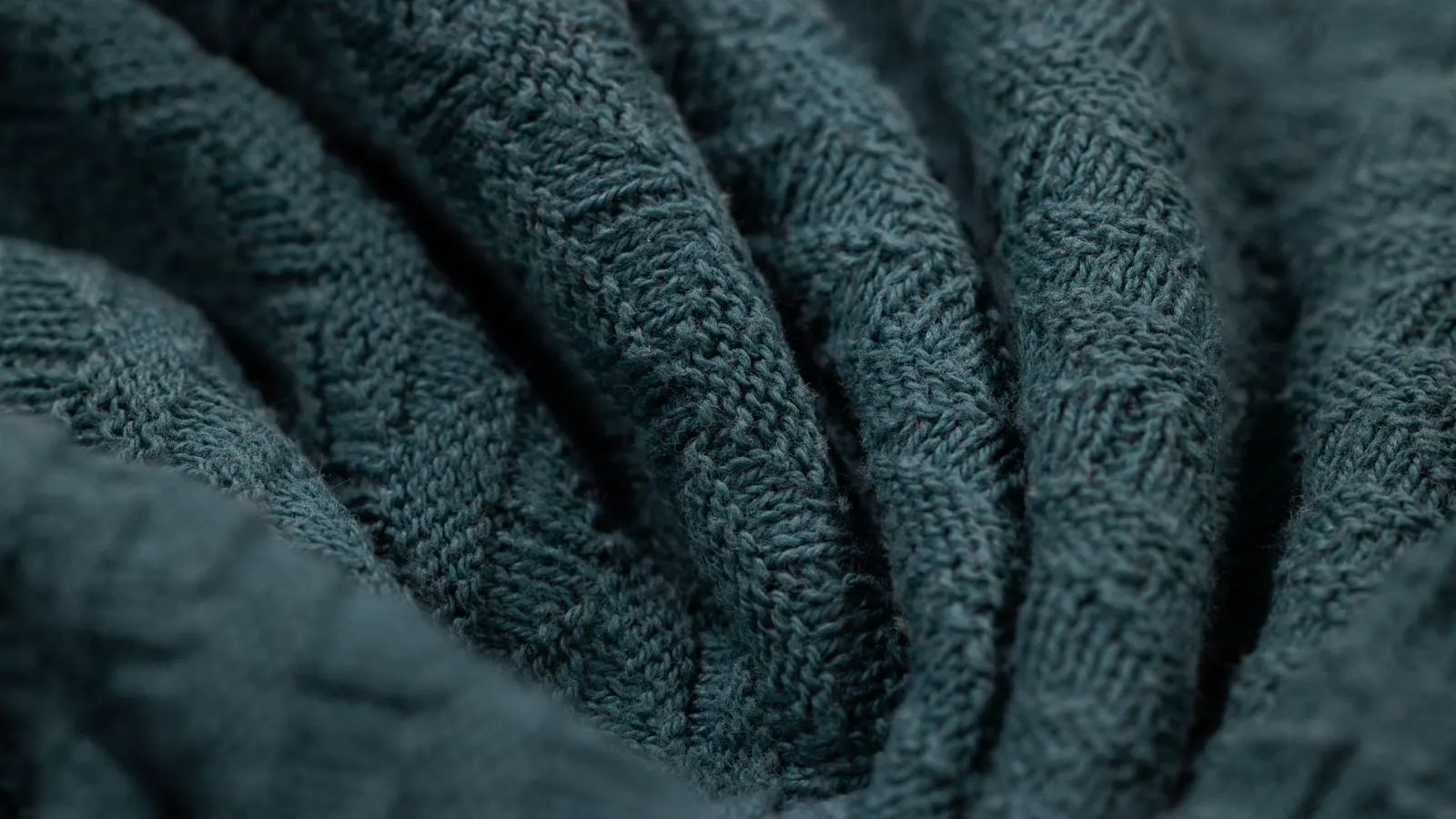
To apply softeners to knitted fabrics, select a suitable agent, control bath conditions, and maintain agitation. Proper softener application reduces pilling and improves hand feel. Engineers must verify results through feel and rub tests to ensure durable softness.
- Match the softener chemistry to the fiber type, as natural and synthetic fibers react differently to conditioning agents.
- Maintain low agitation to prevent pilling on looped knitted structures.
- Verify softness through hand feel and rub tests to confirm the agent has bonded correctly.
Why Knitted Structures Need Specific Handling
Knitted fabrics behave differently from wovens during wet processing. The looped structure creates friction points that can cause pilling if the surface is not conditioned correctly. Standard softening works on flat weaves, but knits require a gentler approach to preserve their drape and stretch. Engineers must account for the fiber’s elasticity and the tightness of the knit when selecting a softener.
The fundamental difference lies in the construction. A woven fabric consists of intersecting warp and weft threads locked in a grid. This grid provides structural stability. A knitted fabric is a continuous series of interlocking loops. These loops can slide, stretch, and shift. When the fabric is submerged in a bath, the loops rub against one another. If the softener does not penetrate deeply enough, it sits only on the outer surface of the loop. During the agitation phase, this surface layer can shear off or break. This process creates pills, which are small balls of fiber. Once pills form, the fabric looks worn and feels uneven.
The tightness of the knit matters significantly. A tight single jersey knit has less space between loops. The fibers are packed closer together. This makes it harder for liquid softeners to reach the inner core of the fiber. A loose 2x2 rib has more open structure. The liquid can flow through the gaps more easily. However, loose knits are also more prone to stretching out of shape if the bath temperature is too high.
The fiber type adds another layer of complexity. Cotton fibers are short and have natural crimp. They tend to absorb water slowly. Polyester fibers are smooth and hydrophobic. They repel water initially but absorb softeners well once the surface tension is broken. Nylon is stronger than both but can be damaged by high heat. Each fiber has a specific temperature threshold above which its dimensions change. For cotton, this is often around 90 degrees Celsius, where significant shrinkage begins. For polyester, the fiber structure starts to relax at much higher temperatures, but the softener may degrade or burn off if the heat is excessive.
Prerequisites for Softener Application
Before introducing any softener to the bath, confirm the fabric’s state. The material should be fully dyed or bleached, as residual mordants or dyeing salts can interfere with the conditioning agent. Check the fiber content. Cotton, polyester, and nylon require different chemical approaches. Cotton benefits from cationic agents, while synthetic fibers often respond to silicone-based or amine-based softeners.
Review the intended end use. A softener for a t-shirt differs from one for a technical knit. The latter may need durability against abrasion, while the former prioritizes immediate hand feel. Prepare the equipment. The softener bath machine must be clean. Any residue from previous dyeing cycles can contaminate the treatment and cause uneven results.
The chemical history of the fabric is often overlooked. If the fabric was dyed with a vat dye, the reduction process may leave alkaline residues in the fiber structure. These residues can react with acidic softeners, causing a neutralization reaction that reduces the softener’s effectiveness. If the fabric was bleached, the peroxide residues can oxidize certain softener molecules. It is standard practice to run a neutralization step after bleaching. This involves a bath with a mild acid or salt to stabilize the pH. Only after the pH is stable should the softener be applied.
The equipment check is equally critical. Softener baths are often run in the same machines used for dyeing. These machines hold large volumes of water and complex chemical mixtures. If the previous dye lot was dark red, traces of that dye may remain in the stainless steel liner or in the pipe joints. When the softener bath is introduced, these traces can react or precipitate. This creates dark specks on the fabric. Before the softening cycle, the machine must be flushed with clean water and treated with a descaler if scale is present. A simple visual check of the drain water can reveal contamination. If the rinse water from the previous cycle is not clear, the machine is not ready.
Step-by-Step Softening Process
-
Pre-Soak the Fabric in Warm Water
Run a pre-wash cycle at 40 to 50 degrees Celsius. This step removes any loose fibers or surface dirt that could trap the softener. It also ensures the fabric is fully wet, which allows the agent to penetrate the fiber structure uniformly.The pre-soak serves a dual purpose. It cleans the surface and opens the fiber structure. Cotton fibers swell when wet. This swelling allows the softener to reach deeper into the fiber. Without this step, the softener may only coat the outer surface. For knits, which have a porous structure, the pre-soak is particularly important. The loops need to be fully saturated. If the core of the loop remains dry, the softener cannot migrate inward.
-
Introduce the Softener at the Correct Concentration
Add the softening agent to the bath before the fabric enters. Follow the manufacturer’s recommended concentration, which usually falls between 0.5% and 2% of the fabric weight. Using too much agent causes buildup, leading to a waxy feel and potential oil spotting.Concentration is a balance between hand feel and performance. A low concentration, such as 0.5%, provides a light softness that is easy to rinse. A high concentration, such as 2%, provides a heavy, plush feel. However, high concentrations increase the risk of oil spotting. Oil spots occur when the softener, often a silicone oil, migrates unevenly across the fabric surface. This creates dark patches that are difficult to remove. It is better to use a slightly higher concentration in a well-mixed bath than a low concentration in a stagnant one.
-
Maintain Low Agitation During the Bath
Keep the fabric moving gently. High agitation creates friction between loops, which can cause pilling on knitted fabrics. A slow, circular motion is sufficient. This step ensures the softener distributes evenly without damaging the knit’s surface.The agitation speed must be matched to the fabric type. For a delicate lace knit, agitation should be minimal. The fabric may be suspended in a basket that rotates slowly. For a heavy cotton jersey, a slightly higher agitation is acceptable to ensure full coverage. The goal is to keep the fabric suspended in the liquid. This prevents the heavy parts of the fabric from sinking to the bottom of the machine. When fabric settles on the bottom, the softener does not reach the underside of the loops. This leads to uneven softness, where the top of the fabric feels soft but the bottom feels rough.
-
Control the Bath Temperature
Maintain a steady temperature, typically between 50 and 70 degrees Celsius, depending on the fiber. Higher temperatures help the agent bond to synthetic fibers, but they can shrink natural fibers if not controlled. For cotton, 60 degrees is a safe standard.Temperature control is critical for the bond formation. For silicone softeners, heat helps the oil migrate into the fiber matrix. However, if the temperature rises too high, the oil can evaporate or burn off. For amine softeners, which are often used on cotton, higher temperatures help the amine groups penetrate the cellulose fiber. A stable temperature prevents thermal shock. If the bath temperature fluctuates, the fabric may shrink unevenly. This creates tension in the knit loops. Tension makes the loops more prone to pilling during subsequent washing.
-
Allow Sufficient Dwell Time
Keep the fabric in the bath for 20 to 30 minutes. This time allows the softener to migrate into the fiber surface. Shorter times often result in insufficient conditioning, while longer times can lead to waste and potential hydrophobic effects.Dwell time is the period during which the chemical reaction or physical absorption occurs. For a simple water-based softener, 20 minutes is often sufficient. For a silicone-based softener that requires emulsification, 30 minutes may be needed. If the dwell time is too short, the softener remains on the surface. This surface layer is easily removed in the first wash. If the dwell time is too long, the fabric may absorb too much softener. This can make the fabric hydrophobic, meaning it will not absorb water or dye in subsequent processes. It also increases the water content of the fabric, making extraction slower and more energy-intensive.
-
Rinse with Clean Water
Drain the softener bath and replace it with clean water. Rinse the fabric at a similar temperature to the softening bath. This removes unbound agent that could interfere with subsequent finishing steps or cause staining.The rinse step is where the quality of the softening is often determined. The goal is to remove the free softener that did not bond to the fiber. If the rinse water is too cold, the softener may solidify on the fiber surface. This creates a greasy feel. If the rinse water is too hot, it may loosen the bound softener, reducing the desired hand feel. A gradual cool-down is often recommended. Start the rinse at the same temperature as the softening bath and then lower it gradually to room temperature. This prevents thermal shock and ensures the softener remains bound where it is needed.
-
Extract Water Gently
Use a low-speed extraction cycle. High-speed extraction can create mechanical stress on the knit, altering its stretch properties. The goal is to remove excess water while keeping the fibers in a relaxed state.Extraction speed is a mechanical factor that affects the final hand feel. High-speed extraction applies centrifugal force to the fabric. This force can stretch the knit loops. When the fabric is dried, it may not recover its original shape. This results in a fabric that is too tight or too loose. For knits, a low-speed extraction is preferred. The fabric should be allowed to drain by gravity or be spun gently at a low rpm. This preserves the elasticity of the loops. The fabric should feel relaxed and soft when it enters the drying stage.
-
Drying and Curing
Dry the fabric at a temperature appropriate for the fiber. Some softeners require heat to set. For polyamide or polyester knits, a finishing temperature of 120 to 140 degrees often helps the agent bond permanently.Drying is the final stage of the softening process. For some softeners, the bond is not complete until the fabric is heated. This is common with silicone softeners, which require heat to evaporate the water and allow the oil to penetrate fully. For amine softeners, the bond may be stable at lower temperatures. However, heat helps to set the softener and improve wash durability. If the fabric is dried too quickly, the softener may not have enough time to migrate into the fiber. If it is dried too slowly, the fabric may develop odor or microbial growth. A balance is required. The fabric should be dry enough to handle but not so hot that the softener degrades.
Common Mistakes to Avoid
Using incompatible softeners is a frequent error. Applying a cationic softener to a fabric that already carries a cationic dye fixative can cause precipitation. This leads to a harsh, rough hand feel. Always check the chemical compatibility chart before mixing agents.
Excess agitation is another problem. Engineers often use the same agitation settings for wovens and knits. This is incorrect. Knits are more prone to pilling when the loops rub together under high shear. Reduce the speed of the bath machine or use a softer pad if the agitation is too high.
Neglecting the rinse step causes problems down the line. If unbound softener remains on the fabric, it can attract dust or react with other finishing chemicals. This often manifests as dark stains or a greasy appearance after the fabric is washed by the consumer.
Selecting the Right Softener
| Softener Type | Fiber Suitability | Primary Benefit |
|---|---|---|
| Silicone | Polyester, Nylon | High durability, water resistance |
| Amine | Cotton, Wool | Good hand feel, high washability |
| Cationic | Cotton | Adhesion to natural fibers |
| Anionic | Cotton, Cellulose | Easy rinse, low cost |
Silicone-based agents provide long-term softness but can be difficult to remove if the fabric needs re-dyeing. Amine softeners offer a softer initial feel but may lose effectiveness after several washes. Cationic agents work well on cotton but require careful pH management. Anionic softeners are budget-friendly but generally offer the least durable softness.
Verifying the Softness
A visual check is not enough. The softener must be evaluated by touch. Take a small sample and rub it between your fingers. A properly treated knit should feel smooth and pliable, not greasy or stiff. If the fabric feels waxy, the agent concentration was too high or the type was wrong.
Perform a rub test. Rub the fabric against a piece of white cloth or a standard rub bar. If the softener transfers, it is not properly bound. This is a sign of poor rinse quality or incorrect drying. Check the pilling resistance as well. Knitted fabrics that are too soft often pill quickly. The goal is a balance between softness and surface integrity.
Final Quality Control
Before releasing the batch, check the hand feel against a reference standard. Keep a set of approved swatches from previous good batches. Compare the new lot to these. If the hand feel is too harsh, the softening process was under-dosed. If it is too greasy, the rinse was insufficient.
Record the bath parameters. Note the temperature, time, and concentration. This data is critical for repeatability. If a specific knitted fabric order requires a specific hand feel, these records ensure the next run matches the first. A consistent softening process is the difference between a batch that passes and one that fails the customer’s quality check.
Sustainability Considerations
Modern softening processes are moving toward lower environmental impact. Look for biodegradable softeners that break down in wastewater. Avoid agents with high chemical oxygen demand. Check if the softener is safe for the local wastewater treatment system.
Recycling water in the softening bath is also a valid option. If the bath is not heavily contaminated with dyes, the water can be filtered and reused for the next batch. This reduces water usage and energy costs. Engineers should review the chemical load in the effluent to ensure it meets local discharge limits.
Troubleshooting Common Issues
If the fabric feels rough after softening, the agent likely did not penetrate the fiber. This can happen if the fabric was not fully wet during the pre-soak. Increase the pre-soak time or raise the temperature slightly.
If the fabric is soft but loses that quality after washing, the softener is not durable enough. Switch to a silicone-based agent or increase the curing temperature. For cotton, an amine-based softener with a higher concentration may provide better wash fastness.
If pilling is observed, reduce the agitation in the bath. Also, ensure the softener is not too viscous. A thick agent can clump on the fiber surface, creating weak points that pill easily. A thinner, well-diluted agent usually performs better on knits.
Frequently asked questions
Can I use the same softener for cotton and polyester knits?
No. The fiber chemistry differs. Cotton usually requires cationic or amine agents, while polyester often needs silicone-based softeners for proper adhesion.
How long should the fabric stay in the softener bath?
A standard dwell time is 20 to 30 minutes. This allows the agent to penetrate the fiber without causing waste or chemical buildup.
What is the main risk of high agitation during softening?
High agitation creates friction between the knit loops. This leads to pilling and can damage the fabric's surface integrity.
How do I know if the softener is working?
Check the hand feel and perform a rub test. The fabric should feel smooth and the agent should not transfer to other materials.
Does softening affect the shrinkage of knitted fabrics?
Softening itself does not control shrinkage. However, the heat used in the curing stage can contribute to dimensional stability if the process is controlled.