Fabric Finishing Checklist for Quality Control
Engineers need a structured list of parameters to verify fabric finishing performance before production. This checklist covers physical, chemical, and visual checks, grouped by theme, with specific red flags to identify during textile inspection.
- Fabric finishing verification requires checking physical dimensions, chemical stability, and visual appearance separately.
- Shrinkage and dimensional stability tests must be performed after the final drying cycle, not before.
- Color fastness to rubbing and light should be evaluated on both the face and reverse sides of the fabric.
- Surface defects like pills, slubs, and dye streaks must be mapped against the specific fabric use case.
- Keep a standardized inspection log for each roll to track repeat issues across production batches.
Why a Standardized Fabric Finishing Checklist Matters
Fabric finishing is the final stage where a textile transforms into a usable product. Without a structured verification process, defects pass through to the customer and create costly rework. This checklist provides a practical framework for engineers and quality control teams to audit finished fabrics before they leave the finishing line.
The following items are grouped by theme. Each section lists the parameters to verify, the method to use, and the red flags that indicate a problem.
Physical Dimensions and Fabric Properties
Start with the fabric width. Measure the finished width at the center and near the selvedge every 25 meters of the roll. A tolerance of 0.5 to 1 percent of the nominal width is typical for most industrial applications. If the width varies significantly between the center and the edge, the fabric may not align properly in downstream sewing or cutting operations.
Check the fabric weight. Cut a 10 by 10 centimeter sample and weigh it on a precision balance. Calculate the grams per square meter and compare it against the target specification. A weight variation of more than 5 percent indicates inconsistent yarn count or tension during the finishing process.
Measure shrinkage. Cut a 10 by 10 centimeter sample and wash it or dry clean it according to the intended care instructions. Measure the dimensions before and after the cycle. Record the percentage change in width and length.
Red flags:
- Width variation between the center and selvedge exceeds 1 percent.
- Fabric weight differs from the target by more than 5 percent.
- Shrinkage exceeds the maximum limit stated in the order.
- The fabric shows a distinct difference in weight between the first and last meters of the roll.
Chemical Stability and Color Performance
Color fastness is a core part of fabric finishing. Verify that the dye or pigment is bonded to the fiber and will not migrate during washing or use.
Test color fastness to rubbing. Use a standard rubbing block with a white cotton pad. Rub the face and reverse of the fabric with a defined number of cycles. Examine the pad for dye transfer.
Test color fastness to light. Place a sample in a controlled light source for a set duration. Compare the color change against a gray scale.
Test color fastness to washing. Wash a sample in warm water with a mild detergent. Check for color loss in the wash water and change in the fabric color.
Verify chemical resistance. If the fabric is intended for use in contact with solvents or chemicals, test a small sample for swelling, discoloration, or weakening.
Red flags:
- The rubbing pad shows visible color transfer after the standard number of cycles.
- The fabric color shifts noticeably in the wash water.
- The fabric surface feels sticky or waxy, which may indicate improper finishing agent application.
- The fabric shows a different color on the face and reverse after washing.
Surface Appearance and Defects
Examine the fabric surface under bright, even lighting. Look for visible defects that will affect the final product.
Check for pills. A small amount of lint is normal on some fabric types. Excessive pilling on smooth surfaces indicates poor fiber bonding or excessive friction during finishing.
Check for slubs. Look for thicker spots where the yarn is uneven. These spots can create hard areas in the fabric and may show through thin weaves.
Check for dye streaks or mottling. Run your hand over the fabric and look for areas where the color is uneven. This is common when the dye bath was not properly agitated or when the fabric was not fully wetted before dyeing.
Check for oil spots or grease marks. These often come from the finishing line or from the storage area.
Red flags:
- Pills are visible to the naked eye on a smooth fabric surface.
- Dye streaks run parallel to the direction of the fabric, indicating a problem in the dye bath.
- Oil spots are present on the face of the fabric.
- The fabric shows a distinct difference in gloss or sheen between sections of the roll.
Hand Feel and Texture
Fabric finishing affects how the fabric feels to the touch. This is a subjective check but can be standardized by using a reference sample from a previously accepted production run.
Hold the fabric in your hand and feel the surface. Compare it to the reference sample. Note the softness, stiffness, and smoothness.
Check for stiffness. If the fabric is intended to be soft but feels rigid, the finishing agent may be too heavy or the fabric may not have been properly conditioned after the final wash.
Check for smoothness. Run your fingers across the surface. Look for rough patches or areas where the finish is uneven.
Check for nap direction. If the fabric has a nap, ensure it is consistent and points in the same direction across the roll.
Red flags:
- The fabric feels significantly stiffer or softer than the reference sample.
- There are rough patches or uneven areas on the surface.
- The nap direction changes randomly across the fabric.
- The fabric feels sticky or waxy to the touch.
Roll Condition and Packaging
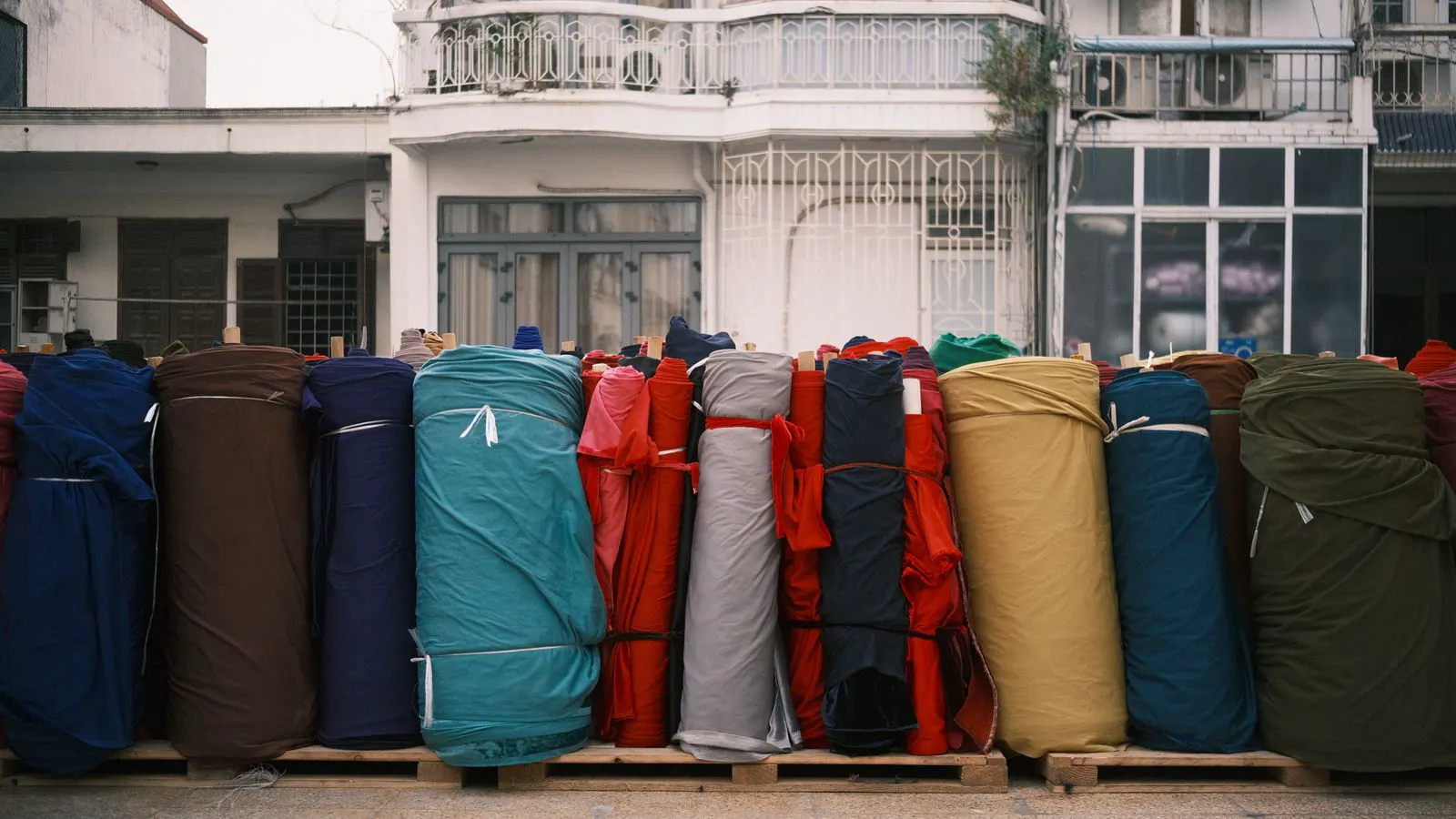
The condition of the fabric roll is as important as the fabric itself. A poorly wound roll can cause damage during storage or transport.
Check the roll tension. The fabric should be wound tightly but not so tight that it distorts the weave.
Check the core. Ensure the core is clean and free of lint or debris. A dirty core can leave marks on the fabric.
Check the wrapping. The fabric should be wrapped in a clean, protective material. The wrapping should be secure and not damaged.
Check the label. Verify that the label contains the correct information, including the fabric name, width, weight, color, and quantity.
Red flags:
- The fabric is wound unevenly, with some layers looser than others.
- The core is dirty or damaged.
- The wrapping is torn or loose.
- The label information does not match the fabric specification.
Common Mistakes in Fabric Finishing Inspection
Engineers and quality control teams often make the same mistakes when inspecting fabric finishing. These mistakes can lead to false negatives or false positives.
Testing at the wrong stage. If you test the fabric before the final drying cycle, you may get inaccurate results. Always test the fabric after it has completed the full finishing process.
Using the wrong reference sample. If the reference sample is old or has been damaged, it will not give you an accurate comparison. Always use a fresh reference sample from a previously accepted production run.
Ignoring the reverse side. Defects on the reverse side can affect the final product. Always inspect both the face and the reverse of the fabric.
Not keeping a log. If you do not record your findings, you will not be able to track repeat issues across production batches. Always keep a standardized inspection log.
How to Use This Checklist in Production
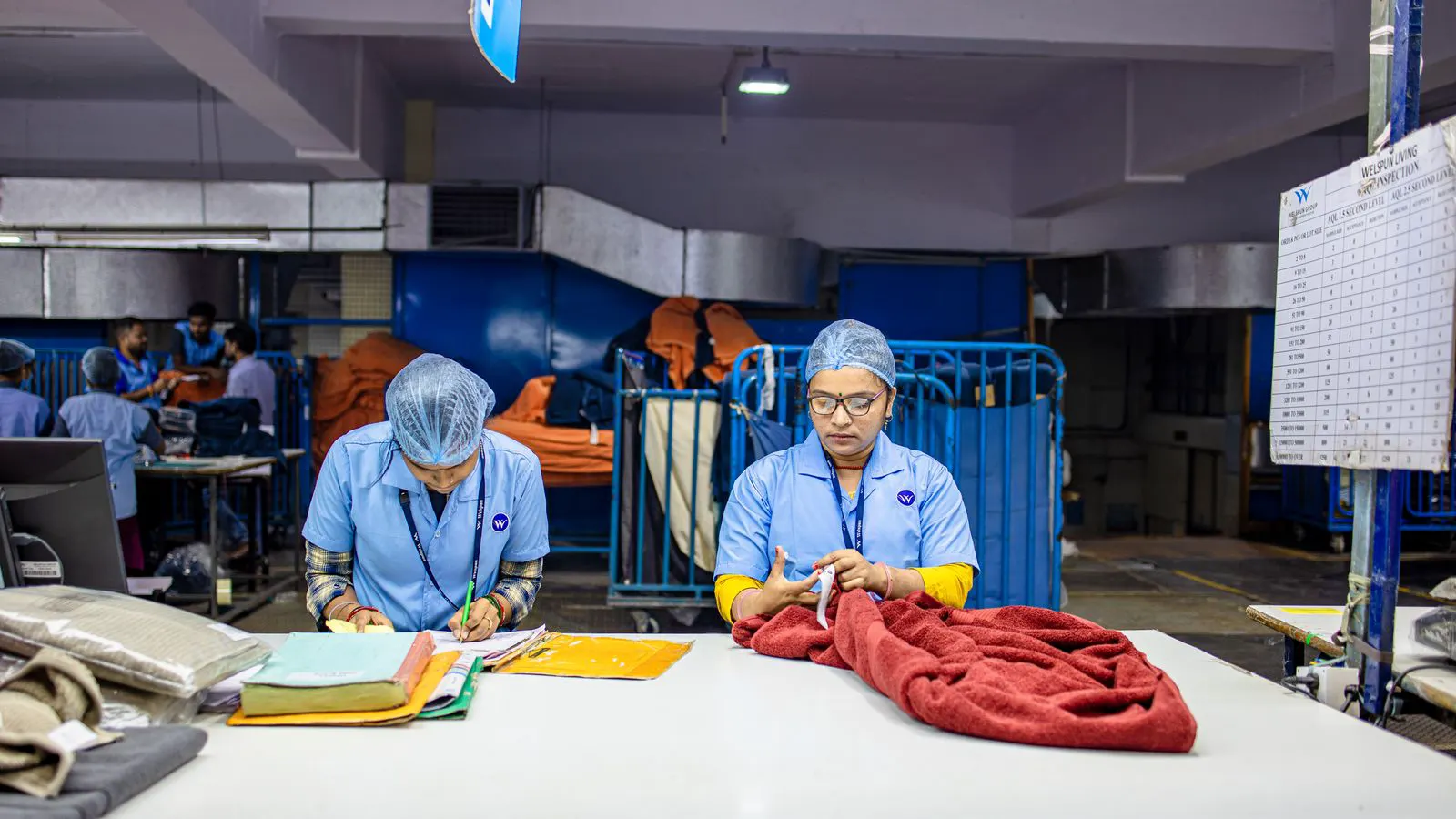
This checklist is designed to be used as part of a standard operating procedure. Print the checklist and keep it at the inspection station. Use it for every roll of fabric that leaves the finishing line.
For each roll, complete the checklist and sign it. Keep the completed checklists in the quality control file. If a defect is found, document the location on the roll and take a photo. Report the defect to the production manager and hold the roll until it is resolved.
This process helps you catch defects early and prevents them from reaching the customer. It also gives you a record of the quality of each production batch, which can be used to identify trends and improve the finishing process.
Final Notes on Fabric Finishing Verification
Fabric finishing is a critical step in the textile production process. Without proper verification, defects can pass through to the customer and create costly rework. This checklist provides a structured way to verify the quality of finished fabrics.
Use the checklist consistently for every roll of fabric. Keep a log of your findings and use it to track repeat issues across production batches. By doing so, you can improve the quality of your fabric finishing process and reduce the number of defects that reach the customer.
Frequently asked questions
What is the most common defect found in fabric finishing?
Dye streaks and mottling are among the most common defects. They are usually caused by poor agitation in the dye bath or incomplete wetting of the fabric.
How often should I inspect a fabric roll?
Inspect every roll of fabric that leaves the finishing line. This ensures that defects are caught before the fabric is shipped.
Can I use a single reference sample for multiple production batches?
It is possible, but it is better to use a fresh reference sample from each production batch. This ensures that the reference is up to date and not affected by storage conditions.
What should I do if I find a defect on a fabric roll?
Document the location of the defect on the roll and take a photo. Report the defect to the production manager and hold the roll until it is resolved.
Is fabric finishing inspection the same as textile inspection?
Fabric finishing inspection is a subset of textile inspection. It focuses on the quality of the finishing process, while textile inspection covers the entire fabric, including the yarn and weave.