Outlook: Mill Consolidation in Natural Fiber Sourcing
Mill consolidation in natural fiber sourcing is shifting concentration toward fewer, larger facilities. Buyers must plan for capacity bottlenecks, longer lead times, and higher quality control demands. This guide outlines five strategic shifts and preparation steps for sustainable textile supply chains.
- Consolidation is reducing the number of active natural fiber mills, increasing buyer dependence on remaining suppliers.
- Capacity planning must account for longer lead times and potential production bottlenecks during peak seasons.
- Diversifying fiber origins and maintaining dual sourcing strategies protects against single-point failures.
- Enhanced quality control checkpoints become more critical when managing concentrated supply risks.
The consolidation of natural fiber mills is reshaping sourcing strategies for textile buyers worldwide. As smaller operations merge or exit the market, remaining facilities absorb increased production demands. This shift creates both opportunities and risks for anyone managing textile supply chains.
Why Mill Consolidation Is Accelerating
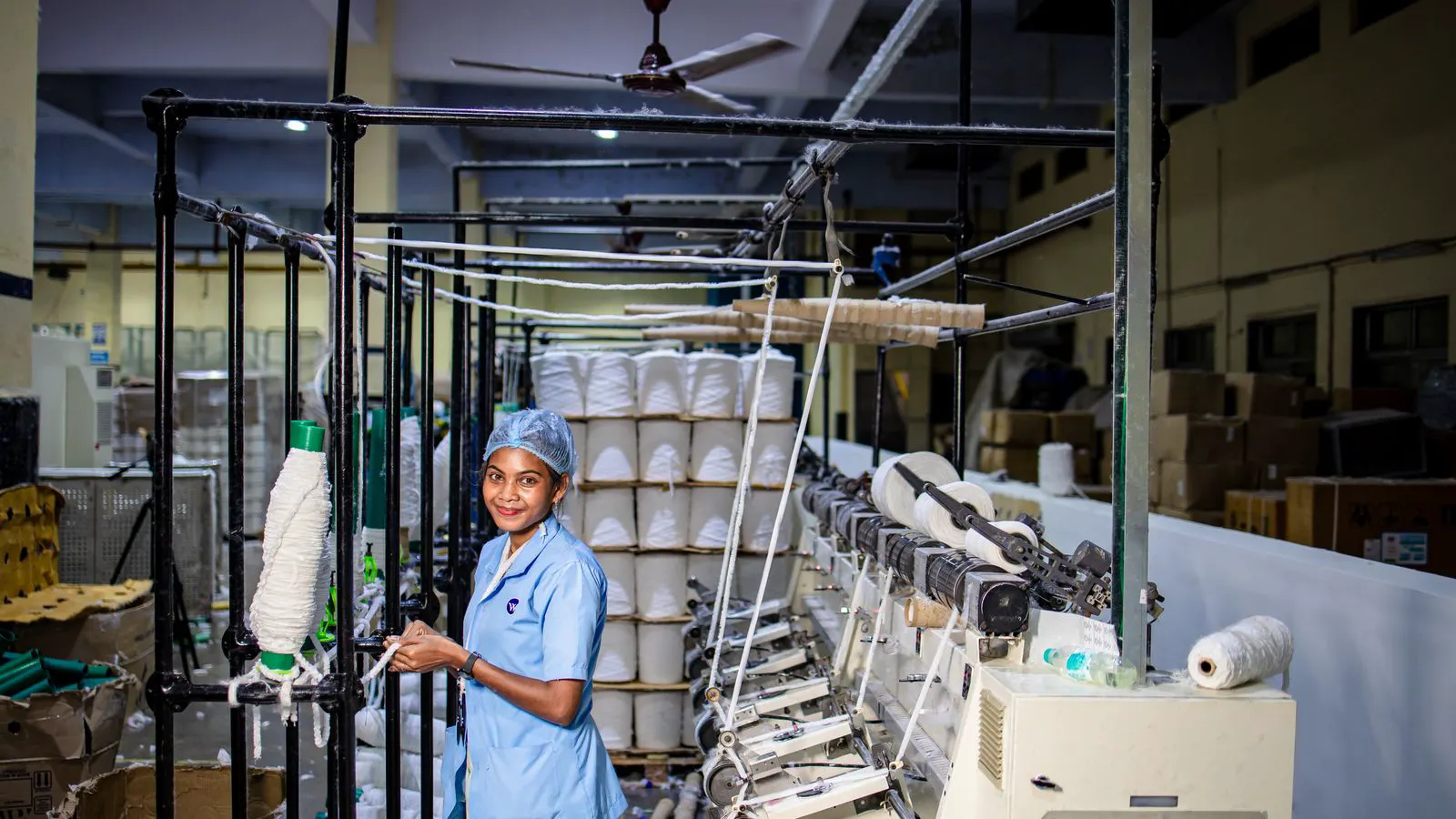
Economic pressures, rising input costs, and environmental regulations have pushed smaller mills toward larger competitors. Natural fiber processing requires significant capital for equipment maintenance and compliance. Smaller operations often struggle to meet these demands consistently. A spindle in a spinning frame costs significantly more to repair than a manual loom, and the downtime associated with major machinery failures can halt an entire production line for days.
Consolidation also reflects changing buyer preferences. Many brands now demand verified traceability and consistent quality standards that smaller mills cannot guarantee. Larger facilities can invest in modern spinning and weaving lines, automation, and quality labs. They can afford the labor-intensive process of auditing every bale of raw cotton or linen before it enters the spinning machine.
This concentration has several implications. Fewer suppliers mean less negotiating power for individual buyers. Production scheduling becomes tighter when multiple clients compete for the same capacity windows. Lead times often extend as facilities manage higher volumes. A mill that once produced for five local brands now serves five global conglomerates. The scheduling software must account for higher thread counts and tighter tolerances, which slows down changeover times between different fabric types.
How Capacity Constraints Will Affect Sourcing
Capacity is the primary factor to monitor in consolidated markets. When a small number of mills handle a large share of natural fiber production, any disruption creates ripple effects. A single equipment failure or labor shortage can delay multiple client orders. For example, if a major linen mill experiences a breakdown in its wet finishing line, the delay affects not just the linen, but the downstream weaving of finished garments that rely on that specific fabric.
Buyers should anticipate longer lead times for standard orders. Peak seasons for cotton, linen, and hemp will see more intense competition for mill slots. Scheduling windows that once offered flexibility now require earlier commitment. A buyer who previously could order a small batch of organic cotton for a seasonal collection must now commit to a larger, earlier order to secure the same quality and timing.
The following table summarizes common capacity challenges and corresponding buyer responses.
| Capacity Challenge | Buyer Response |
|---|---|
| Limited production slots | Secure long-term capacity agreements |
| Peak season bottlenecks | Stagger order placement across quarters |
| Single-mill dependence | Develop secondary suppliers in different regions |
| Quality variability | Implement stricter inbound inspection protocols |
Shift One: From Spot Sourcing to Long-Term Agreements
Spot purchasing, common in fragmented markets, becomes riskier with consolidation. When only a few mills operate, spot availability is unpredictable. Prices can spike during high-demand periods. A buyer looking to fill a gap in their inventory might find that the only available mill has already committed 90% of its capacity to long-term contracts.
Long-term agreements offer stability. They lock in capacity at agreed rates and provide predictable production schedules. However, they require buyers to commit to volumes they can reliably absorb. Over-committing to a long-term agreement can lead to excess inventory that ties up cash flow, while under-committing risks losing access to capacity when demand spikes.
A practical approach is to structure agreements with flexible volume bands. This allows adjustments for seasonal demand without breaching contractual minimums. Many buyers now prefer multi-year frameworks over single-season contracts. These frameworks often include tiered pricing structures that reward higher volumes while protecting the buyer from extreme price volatility during peak seasons.
Shift Two: Increased Focus on Fiber Origin Diversification
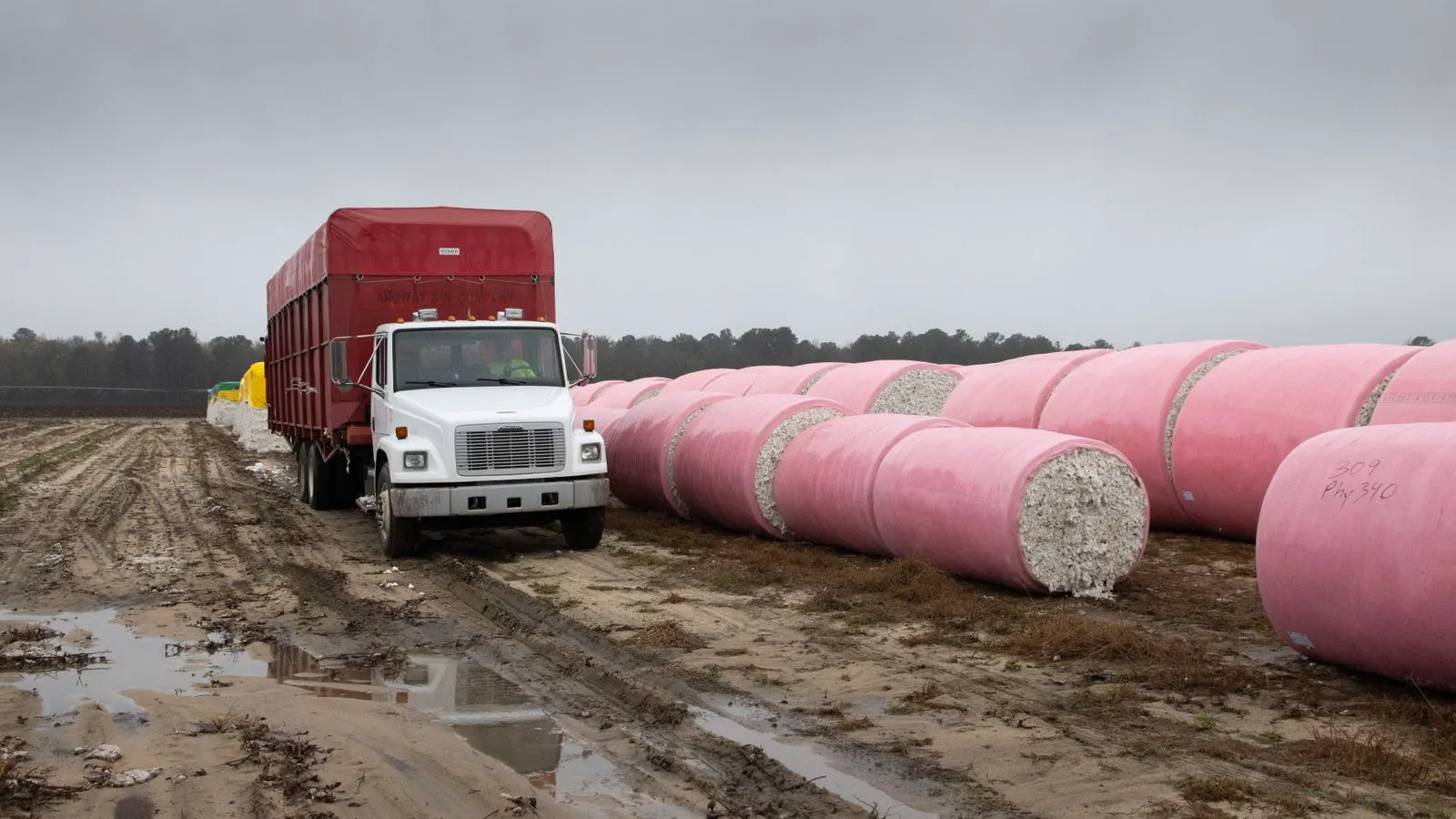
Consolidation at the mill level does not eliminate the need to diversify fiber sources. Cotton, linen, hemp, and wool each have different growing regions and processing capabilities. A mill in one region may have a strong partnership with a local farmer, but if that region faces a drought, the entire supply chain is at risk.
Buyers should map their supply chain beyond the mill. Identifying alternative fiber origins reduces risk if one region faces weather events or export restrictions. For example, if a primary cotton source faces drought, having a secondary source in another climate zone provides continuity. A buyer relying on Indian cotton for their denim line might also secure a small contract with a Mexican supplier as a backup.
This diversification also supports sustainability goals. Sourcing from different regions can balance environmental impact and support local farming communities. It allows buyers to align their supply chain with their environmental commitments, ensuring that water usage and chemical treatments are managed according to the highest standards in each region.
Shift Three: Stricter Quality Control Requirements
With fewer suppliers, quality consistency becomes a non-negotiable factor. A single mill failure can halt production for multiple buyers. This raises the stakes for maintaining high standards. If a mill produces a batch of fabric with inconsistent color or weight, the impact is felt across multiple brands and collections.
Buyers should implement more rigorous quality control checkpoints. This includes regular audits of raw fiber intake, in-process checks during spinning and weaving, and final fabric inspection. For instance, a buyer might require the mill to provide a detailed report on the moisture content of the raw cotton before it is spun. This ensures that the final fabric will have the desired hand feel and durability.
The following numbered list outlines recommended quality control steps for consolidated supply chains.
- Conduct third-party audits of fiber sourcing and processing facilities
- Establish statistical process control charts for key quality metrics
- Maintain detailed batch tracking from fiber intake to finished fabric
- Require corrective action plans for any quality deviations
- Document all quality agreements in supplier contracts
Shift Four: Enhanced Supplier Relationship Management
In a consolidated market, supplier relationships carry more weight. A strong partnership can provide priority access during shortages and early visibility into capacity issues. A buyer who has a good relationship with a mill manager can get ahead of a production delay and re-schedule their order without incurring penalties.
Buyers should invest in regular communication cycles with mill management. Monthly capacity reviews and quarterly business planning sessions help align production schedules with buyer needs. These meetings should focus on specific metrics, such as thread count, fabric weight, and chemical usage, rather than general discussions.
Transparency in cost structures and production challenges builds trust. When mills face material shortages or labor constraints, early notification allows buyers to adjust their plans rather than receiving last-minute delays. This transparency also helps buyers understand the root causes of quality issues and work with the mill to implement corrective actions.
Shift Five: Technology Integration for Supply Chain Visibility
Digital tools are becoming standard for managing consolidated supply chains. Real-time tracking of fiber movements, production status, and quality metrics reduces uncertainty. A buyer can monitor the progress of their order from raw fiber to finished fabric, identifying bottlenecks before they become critical.
Buyers should evaluate whether their systems can integrate with supplier data platforms. This integration provides visibility into every stage of the production process, from raw fiber to finished goods. For example, a buyer can track the specific batch of cotton used in their fabric and verify that it meets the required quality specifications.
Data analytics can identify patterns in production delays and quality issues. This allows proactive adjustments rather than reactive problem-solving. If the data shows that a particular type of fabric consistently experiences delays in the finishing stage, the buyer can work with the mill to optimize that process or adjust the order quantity.
How to Prepare Your Sourcing Strategy
Preparing for mill consolidation requires systematic planning. Start by mapping your current supply chain and identifying single points of failure. Assess which mills and fiber origins represent concentrated risk. If a single mill produces 80% of your required fabric, you are at high risk.
Develop contingency plans for each critical supply node. This includes identifying alternative suppliers, establishing buffer inventory for key materials, and creating flexible production schedules. A buffer inventory of finished fabric can help cover short-term delays, while alternative suppliers can fill gaps if a primary mill is unable to deliver.
Train your sourcing team on the risks of concentration. They should understand the financial and operational impact of supply disruptions and know how to activate backup plans quickly. Regular training sessions and simulations can help the team respond effectively to unexpected events.
Regularly review your supplier portfolio. Even with consolidation, new entrants and regional specialists can emerge. Monitoring the market ensures you do not miss alternative capacity opportunities. Keep a list of potential suppliers and maintain contact with them, even if you are not currently placing orders.
The Role of Compliance in Consolidated Markets
Environmental and labor compliance standards are rising in natural fiber sourcing. Consolidated mills face greater scrutiny because their output represents larger market share. A compliance failure at a large mill can lead to significant reputational damage for all brands that source from it.
Buyers should ensure their suppliers meet current compliance standards. This includes environmental regulations for water usage and waste disposal, as well as labor standards for working conditions. Audits should be conducted regularly to verify that the mill is adhering to these standards.
Compliance failures at a major mill can damage multiple brands’ reputations. Proactive compliance management protects both the supplier and the brand. It also helps ensure that the supply chain is sustainable and ethical, which is increasingly important to consumers and stakeholders.
Frequently asked questions
How does mill consolidation affect lead times for natural fiber textiles?
Lead times generally extend due to higher production volumes at fewer facilities. Peak season demand creates tighter scheduling windows, requiring earlier order placement.
What is the biggest risk of relying on a single natural fiber mill?
Single-mill dependence creates vulnerability to production disruptions. Any equipment failure, labor issue, or quality problem can halt supply for multiple buyers.
Should buyers switch to synthetic fibers to avoid natural fiber consolidation risks?
This depends on product requirements and brand positioning. Some applications can use synthetic alternatives, but many premium products require natural fiber properties.
How do long-term capacity agreements differ from spot purchasing in consolidated markets?
Long-term agreements provide predictable production slots and pricing, while spot purchasing offers flexibility but carries higher price and availability risk.
What role do alternative fiber origins play in risk management?
Diversifying fiber origins across different regions reduces vulnerability to local weather events, export restrictions, or regional supply disruptions.