Polyester vs Nylon for Industrial Fabrics: A Buyer’s Guide
Choose between polyester and nylon by evaluating strength, abrasion resistance, moisture handling, chemical exposure, and cost. Polyester offers better UV and chemical resistance, while nylon provides superior toughness and abrasion. The right choice depends on the specific load and environment of your application.
- Polyester is the standard choice for UV exposure, chemical contact, and cost-sensitive bulk projects.
- Nylon is preferred when high tensile strength and abrasion resistance are the primary failure points.
- Moisture behavior differs significantly; polyester sheds water, while nylon absorbs it.
- Always test a sample under your actual operating conditions before committing to a large order.
- Blends are a valid option when neither pure polyester nor pure nylon meets all project requirements.
Strength and Load Capacity
Selecting between polyester and nylon for industrial applications starts with the mechanical demand. Tensile strength is the first metric to evaluate. Nylon generally carries a higher load per unit width than polyester. If your application involves heavy suspension, high-stress weaving, or extreme tension, nylon is often the safer mechanical starting point.
However, tensile strength is not the only mechanical factor. Polyester holds its shape under repeated loading better. It has a lower tendency to creep over time. For applications where a fabric must maintain its dimension for years without stretching, polyester performs well. Nylon can stretch slightly more under a constant load, which may be acceptable for some uses but problematic for others.
Consider the specific load case. A heavy-duty safety harness requires different mechanics than a static structural cover. For dynamic loads, nylon’s elasticity can be an advantage. For static loads, polyester’s dimensional stability may be preferred. Check the expected load cycles. If the fabric will be stretched and released thousands of times, evaluate the fatigue resistance of both materials under those specific cycles.
Abrasion and Wear Resistance
Abrasion is a common failure mode in industrial textiles. Nylon is widely regarded for its excellent wear resistance. It handles friction well, which makes it a strong candidate for conveyor belts, workwear, and protective equipment. The fibers are tough and resist wearing down against hard surfaces.
Polyester is also abrasion resistant, but it typically trails slightly behind nylon in direct wear scenarios. For applications with low friction but high impact, polyester performs adequately. For applications involving constant rubbing against rigid objects, nylon often lasts longer.
Evaluate the type of abrasion. Abrasion is not a single event. It involves friction, impact, and pressure. A fabric used in a high-speed grinding area faces different wear than one used in a static storage area. Test both materials against the specific surface they will contact. A small abrasion test is far more informative than relying on general industry reputation alone.
Moisture and Chemical Resistance
Moisture behavior is a critical differentiator. Polyester is hydrophobic. It repels water and absorbs very little. This makes it ideal for wet environments, marine applications, and any scenario where the fabric must dry quickly. It does not swell when wet.
Nylon is hydrophilic. It absorbs water. A dry nylon fabric can hold a significant amount of moisture. This can be a disadvantage in wet conditions, as the fabric may feel damp and take longer to dry. However, this absorption property can be useful in specific thermal regulation applications.
Chemical resistance is another key factor. Polyester is highly resistant to a broad range of chemicals, including many acids, bases, and solvents. It is the standard choice for chemical splash protection and industrial handling of hazardous substances. Nylon is more susceptible to strong acids and some solvents. If your environment includes aggressive chemical exposure, test the specific chemical against nylon before considering it.
Ultraviolet and Weather Exposure
Outdoor exposure introduces ultraviolet (UV) radiation, rain, and temperature swings. Polyester has superior UV resistance compared to nylon. Nylon degrades faster under prolonged sun exposure, becoming brittle and losing strength. This makes nylon less suitable for long-term outdoor use unless treated with UV stabilizers.
Polyester is the preferred material for canopies, tarps, and outdoor covers. It withstands UV radiation without significant loss of mechanical properties. For indoor applications, this difference is irrelevant. For any project where the fabric will see direct sunlight, prioritize polyester or ensure the nylon is heavily treated with UV protection.
Temperature resistance is also relevant. Both materials handle a broad temperature range, but each has limits. Nylon softens at higher temperatures. Polyester maintains its shape well at elevated temperatures. Consider the maximum ambient temperature your fabric will experience. If the fabric will be near heat sources, polyester is generally the more stable choice.
Cost and Availability
Procurement decisions often hinge on cost and supply. Polyester is generally less expensive than nylon. It is produced in massive volumes, which keeps pricing competitive. For large-scale projects where budget is a tight constraint, polyester is often the default choice.
Nylon commands a higher price. Its production process is more complex, and the raw material costs are higher. For smaller, high-performance applications, the higher cost of nylon may be justified. For bulk commodity uses, the cost difference can be significant.
Availability also matters. Both materials are globally available, but specific grades and deniers may have longer lead times for nylon. If your project has a strict timeline, verify the supplier’s inventory for the exact specification. A cheaper material that arrives late can cost more in delays than a pricier material that arrives on time.
Criteria Table for Selection
Use the table below to compare polyester and nylon against your specific project requirements. Mark the material that best fits each criterion. If both fit, look at the next criterion. If neither fits, consider a blend or a different fiber type.
| Criterion | What to look for | Why it matters |
|---|---|---|
| Tensile Strength | Nylon offers higher strength per unit width. | Determines if the fabric can support heavy loads without breaking. |
| Abrasion Resistance | Nylon is superior for high-friction wear. | Extends the service life of the fabric in high-wear zones. |
| Moisture Management | Polyester repels water; nylon absorbs it. | Affects drying time, weight, and comfort in wet environments. |
| Chemical Resistance | Polyester handles a wider range of chemicals. | Prevents degradation and ensures safety in hazardous settings. |
| UV Stability | Polyester resists UV degradation better. | Maintains strength and appearance during prolonged sun exposure. |
| Cost Effectiveness | Polyester is generally less expensive. | Helps manage budget for large-scale industrial deployments. |
Practical Testing and Sample Evaluation
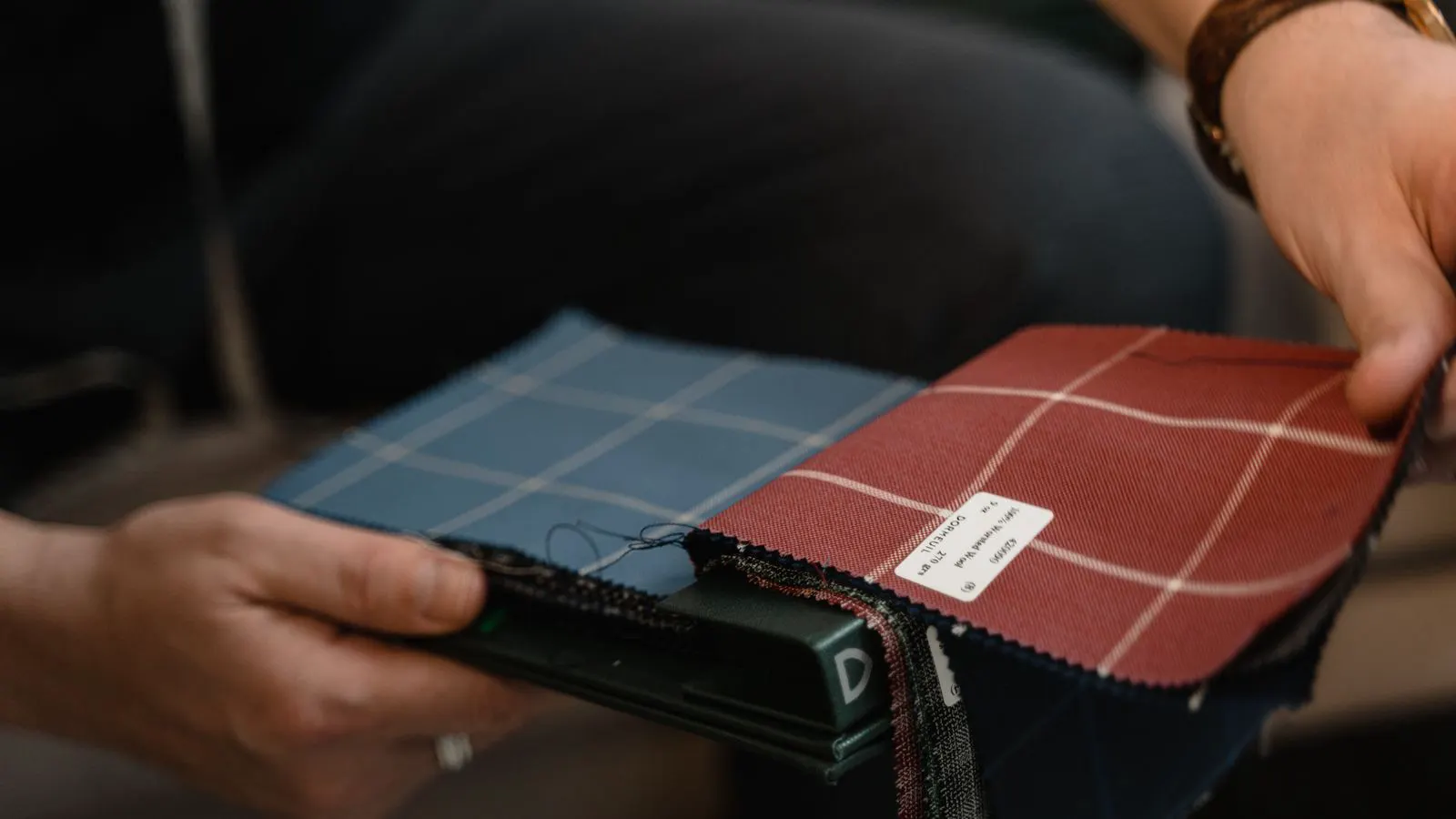
Do not rely solely on datasheets. Request samples of the exact fabric specification you intend to buy. Run a small-scale test in your actual working environment. This is the only way to confirm the material behaves as expected.
Create a small test panel. Cut a piece of the fabric to a size that allows you to apply the specific stress, chemical, or moisture conditions of your project. Observe the behavior over a defined period. Check for color change, strength loss, or structural failure.
Involve your end-users in the testing. The people who will handle, clean, and maintain the fabric often identify practical issues that engineers miss. For example, a fabric may be strong but difficult to clean. It may be light but too flimsy for the task. Gather feedback on usability, not just performance metrics.
Decision Checklist
Use this checklist to finalize your selection. Go through each item before placing a large order.
- Define the primary failure mode. Is it breakage, wear, chemical damage, or UV degradation?
- Identify the environmental conditions. List temperature, moisture, chemicals, and sunlight exposure.
- Evaluate the load. Determine the maximum tension and the number of cycles the fabric will experience.
- Check the budget. Compare the total cost of ownership, including maintenance and replacement frequency.
- Verify supply. Confirm the supplier can deliver the required quantity by your deadline.
- Run a physical test. Place a sample in the actual environment for a short trial period.
- Review the test results. Look for any unexpected issues with wear, cleaning, or handling.
When to Consider a Blend
If neither pure polyester nor pure nylon meets all your requirements, consider a blend. Blends combine the properties of both fibers. A polyester-nylon blend can offer the chemical and UV resistance of polyester with the abrasion resistance of nylon.
However, blending introduces complexity. The performance of the blend depends on the ratio of fibers and the weaving technique. A 50/50 blend behaves differently from an 80/20 blend. You must test the specific blend you are considering. Do not assume the blend will perform exactly like the sum of its parts.
Blends are often used in workwear, safety gear, and technical textiles. They provide a balance of properties that pure fibers cannot always achieve. If your application has conflicting requirements, such as needing both high abrasion resistance and high chemical resistance, a blend is a practical solution.
Final Thoughts on Material Selection
The choice between polyester and nylon is rarely one-size-fits-all. It depends on the specific demands of your industrial application. Polyester is the workhorse of industrial textiles, offering excellent chemical and UV resistance at a lower cost. Nylon is the performance choice, delivering superior strength and abrasion resistance for high-wear, high-load applications.
Evaluate the trade-offs against your specific needs. Do not choose based on a single metric. Look at the entire system. The fabric is part of a larger assembly. Consider how it interacts with hardware, fasteners, and other materials. A good material selection is a holistic one.
Make an informed decision. Use the criteria table and the decision checklist to structure your evaluation. Test samples in the real environment. The data from your own tests will be more reliable than general industry advice. Select the material that fits your project, not the one that sounds best on paper.
Frequently asked questions
Is nylon always stronger than polyester?
Nylon generally has higher tensile strength than polyester. However, polyester has better resistance to creep and maintains its shape under constant load better. The "stronger" material depends on the specific type of stress applied.
Which material is better for chemical splash protection?
Polyester is superior for chemical splash protection. It resists a wider variety of acids, bases, and solvents without degrading. Nylon can be damaged by strong acids and some solvents, so it is not recommended for aggressive chemical environments.
Can I use nylon fabric outdoors?
Nylon can be used outdoors, but it degrades faster under UV exposure. It becomes brittle and loses strength over time. If outdoor use is planned, choose a nylon treated with UV stabilizers or opt for polyester, which has better natural UV resistance.
Does the color of the fabric affect its performance?
Yes, color can affect performance. Lighter colors reflect UV radiation, which helps preserve the fiber. Dark colors absorb heat and UV, which can accelerate degradation. For outdoor applications, lighter colors or UV-treated fabrics are preferred.
How do I know if a blend is the right choice?
A blend is the right choice when your application has conflicting requirements that neither pure fiber can meet. For example, if you need both high abrasion resistance and high chemical resistance, a polyester-nylon blend may offer the best balance. Test the specific blend ratio before committing.